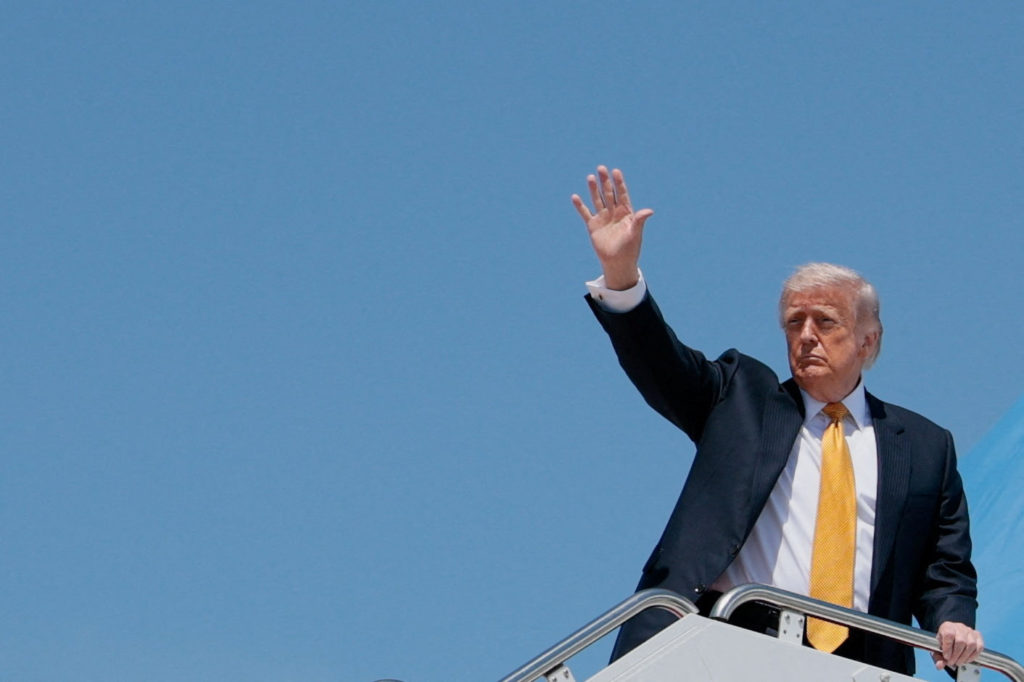
Trump's China Trip: Corporate Elites Prioritized Over Human Rights?
The inclusion of top CEOs alongside President Trump on his China trip raises concerns about the prioritization of corporate interests over human rights and fair labor practices.
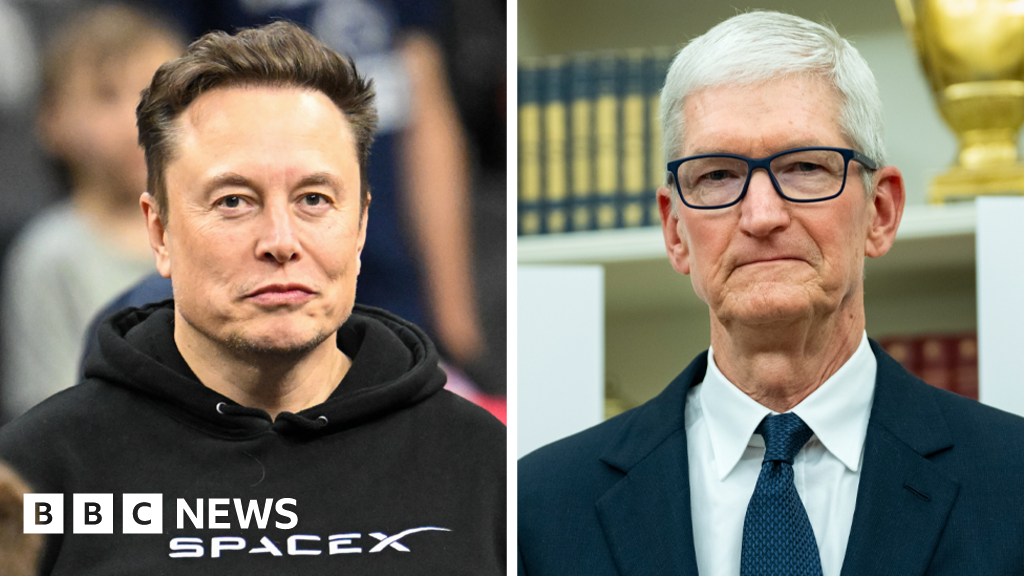
Washington D.C. – President Donald Trump's upcoming trip to China, accompanied by a cadre of top business executives, including Apple's Tim Cook and Tesla's Elon Musk, underscores the ongoing tension between economic interests and human rights concerns in US foreign policy. While the White House emphasizes the importance of addressing trade imbalances and technological competition, the presence of these corporate leaders raises questions about the potential for overlooking China's human rights record and labor practices.
The inclusion of executives from companies like Meta, Visa, and JP Morgan alongside Trump suggests a prioritization of corporate profits over ethical considerations. China's human rights record, including the treatment of Uyghurs in Xinjiang, suppression of dissent, and restrictions on freedom of speech, has been widely documented by human rights organizations.
The focus on trade negotiations risks further enabling these abuses by granting China legitimacy on the world stage without demanding accountability. The presence of these CEOs risks legitimizing a government that actively suppresses human rights.
Labor practices within China, particularly in manufacturing, have also been a source of concern. Reports of forced labor, unsafe working conditions, and suppression of independent labor unions have plagued the supply chains of many multinational corporations. Apple, for example, has faced scrutiny over its reliance on Chinese factories with questionable labor standards.
The delegation's engagement with Chinese officials should include discussions about human rights and labor rights. However, critics fear that the pursuit of economic gains may overshadow these critical issues.
The trip serves as a reminder of the ethical challenges inherent in global commerce. Companies must be held accountable for ensuring that their operations do not contribute to human rights abuses or exploitation. Consumers also have a role to play in demanding ethical sourcing and production practices.
Progressive voices are calling for greater transparency and accountability in US-China relations. They argue that economic engagement should be contingent on concrete improvements in human rights and labor standards.
The concentration of economic power in the hands of a few large corporations allows these entities to wield significant influence over government policy. This can lead to decisions that prioritize corporate profits over the well-being of workers and communities.
This trip highlights the need for a more equitable and just global economic order. One that prioritizes the needs of working people and the protection of human rights.
The presence of these corporate leaders amplifies concerns about the influence of money in politics. Corporate lobbying and campaign contributions can shape policy decisions in ways that benefit large corporations at the expense of ordinary citizens.
The implications of this trip extend beyond trade and economics. It speaks to the broader question of what values will guide US foreign policy in the 21st century. Should economic interests trump human rights, or should the two be inextricably linked?
The progressive movement advocates for a foreign policy that is rooted in human rights, social justice, and environmental sustainability. A world where economic progress does not come at the expense of human dignity and environmental protection.
Sources: * Amnesty International: [https://www.amnesty.org/](https://www.amnesty.org/) * Human Rights Watch: [https://www.hrw.org/](https://www.hrw.org/)