Trump's China Trip Raises Concerns with Hegseth's Inclusion
Critics question the President's reliance on a partisan media figure over experienced defense advisors for crucial diplomatic talks.

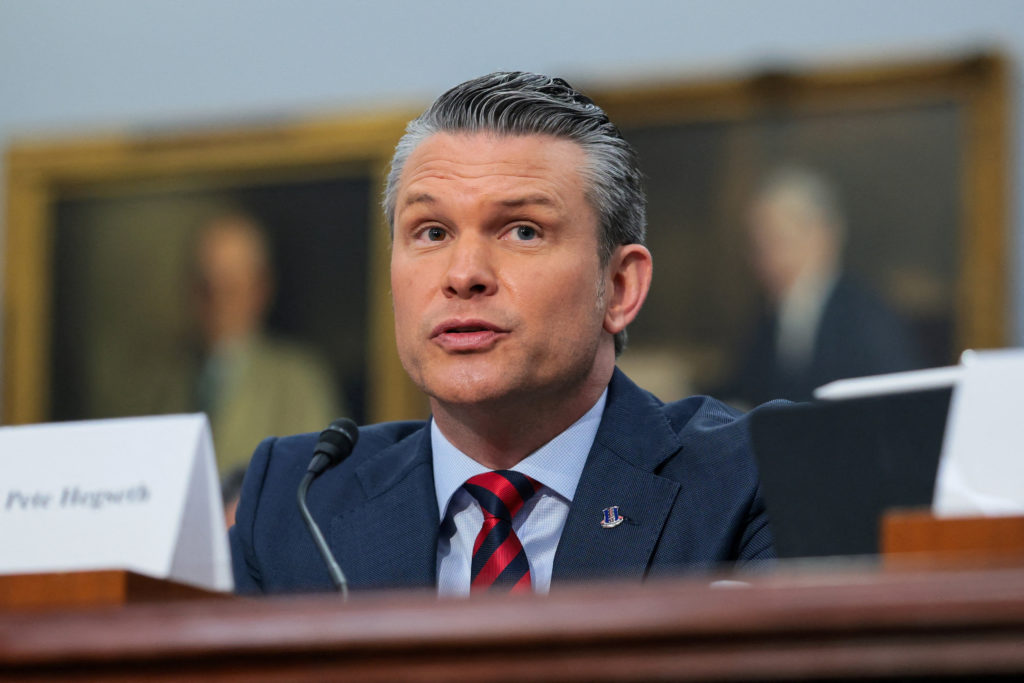
President Trump's upcoming trip to China has sparked controversy with the announcement that Fox News personality Pete Hegseth will be accompanying him, instead of a defense secretary, raising concerns about the President's priorities and the potential marginalization of vital military perspectives in critical international discussions.
The historical precedent of including defense secretaries on presidential overseas trips ensures that the President has immediate access to crucial military expertise and strategic insights, allowing for informed decision-making during diplomatic engagements. This practice has been seen as a vital component of responsible foreign policy, ensuring that the U.S. military’s perspective is represented at the highest levels.
The inclusion of Hegseth, a media personality known for his staunch support of the President and conservative viewpoints, raises questions about the nature of the advice Trump seeks and the potential for partisan influence on foreign policy decisions. This move could potentially undermine the integrity and objectivity of diplomatic discussions.
Progressive critics argue that this decision exemplifies a pattern of the Trump administration prioritizing loyalty and ideological alignment over expertise and experience, potentially jeopardizing the effectiveness of diplomatic efforts and national security interests. The exclusion of seasoned defense officials could signal a disregard for established protocols and a preference for surrounding himself with individuals who reinforce his own views.
Moreover, this decision could be seen as a further blurring of the lines between government and media, raising concerns about the potential for propaganda and the erosion of public trust in both institutions. It highlights the increasing influence of right-wing media outlets on the administration's policies and decision-making processes.
The implications of this decision extend beyond the immediate trip to China. It could set a dangerous precedent for future presidential travels and diplomatic engagements, normalizing the exclusion of experienced advisors in favor of partisan voices. This could ultimately weaken the United States' standing on the global stage and undermine its ability to effectively address complex international challenges.
Critics also point out the potential for this decision to exacerbate existing geopolitical tensions. The absence of a seasoned military advisor could be interpreted as a sign of disrespect or a lack of seriousness by Chinese officials, potentially complicating negotiations and hindering progress on key issues such as trade and security.
Furthermore, the inclusion of Hegseth, known for his hawkish views on foreign policy, could be perceived as a provocative gesture, potentially escalating tensions and undermining efforts to foster constructive dialogue. This could have serious consequences for international relations and global stability.
Ultimately, this decision underscores the need for greater transparency and accountability in the President's decision-making processes, particularly in the realm of foreign policy. It also highlights the importance of ensuring that government officials have access to a diverse range of perspectives and expertise, rather than being confined to an echo chamber of like-minded individuals.
The public deserves to know the rationale behind this decision and the potential impact it will have on the United States' national interests. A thorough investigation into the circumstances surrounding this decision is warranted to ensure that it was made in the best interests of the country.