Trump's China Trip: Will it Worsen Tariff Pain, Iran Tensions, and Global Isolation?
As Trump heads to China, anxieties grow about the impact of his policies on working families, international cooperation, and human rights.
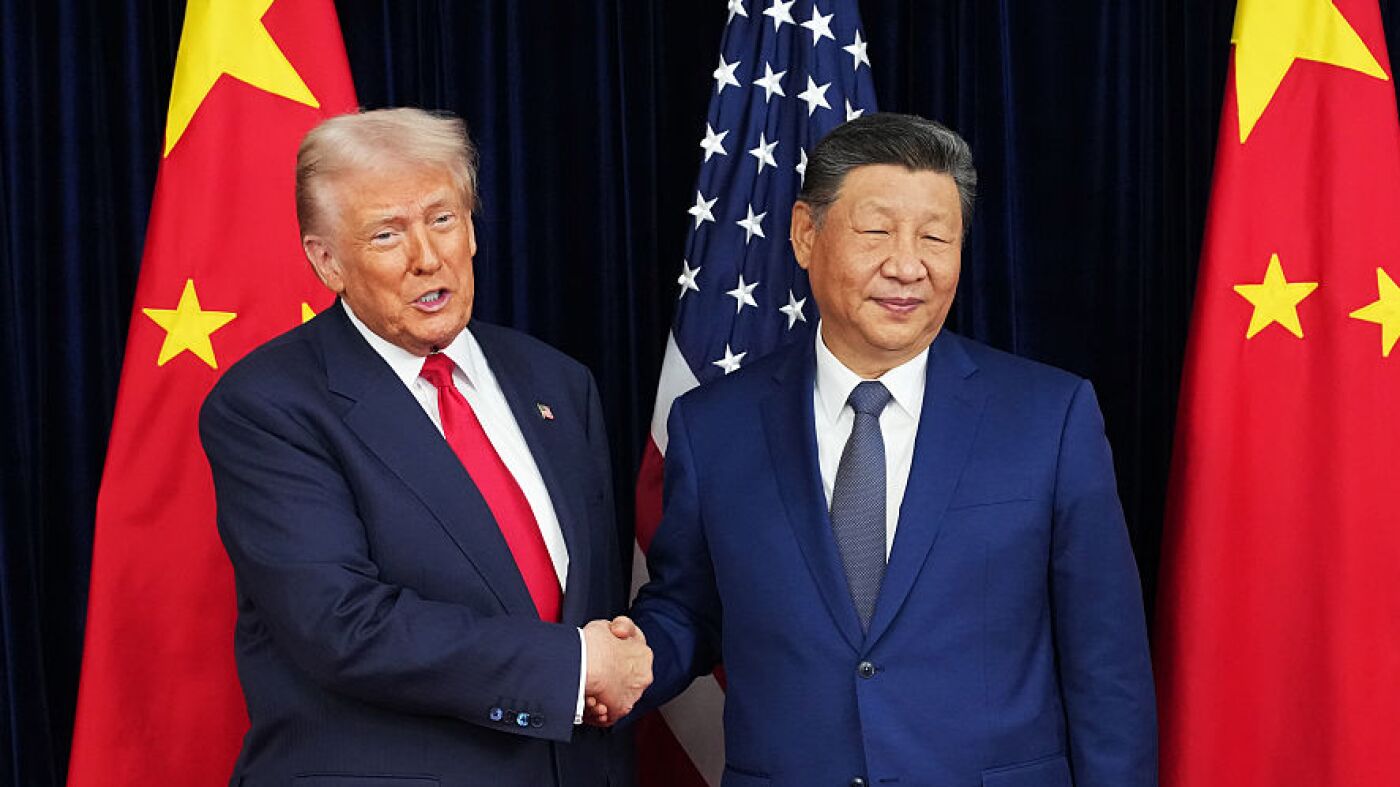
Washington D.C. - President Trump's impending visit to China raises critical questions about the social and economic consequences of his policies, especially concerning tariffs, the escalating tensions with Iran, and America's declining global influence, impacting marginalized communities and international stability.
Trump's tariff policies, framed as a means to protect American jobs, have disproportionately burdened working-class families with higher consumer prices. Economists warn that these tariffs, often passed down to consumers, undermine purchasing power and exacerbate income inequality. The visit to China presents an opportunity to reassess these policies and prioritize fair trade practices that benefit all Americans, not just corporations.
The administration's aggressive stance toward Iran, characterized by sanctions and bellicose rhetoric, has stoked fears of military conflict and humanitarian crisis. Critics argue that this approach exacerbates regional instability and undermines diplomatic efforts to achieve a peaceful resolution. There are fears about the potential cost on the civilian population and the environmental consequences of conflict.
Furthermore, Trump's disregard for international agreements and alliances has alienated key allies and eroded America's standing in the world. This isolationist approach undermines efforts to address global challenges such as climate change, human rights abuses, and economic inequality. The President's trip to China must be an opportunity to reaffirm America's commitment to international cooperation and multilateralism.
The voices of marginalized communities are often overlooked in discussions of foreign policy, yet they bear the brunt of harmful policies. Tariffs, war, and isolationism all disproportionately affect vulnerable populations, both at home and abroad. Ensuring that these voices are heard and heeded is essential for a just and equitable foreign policy.
The trip to China necessitates a critical examination of the human rights record of the Chinese government, including the treatment of Uyghurs, dissidents, and religious minorities. The US must advocate for universal human rights and hold China accountable for its abuses. Economic gain cannot come at the expense of fundamental human rights principles.
Trump's China visit serves as a litmus test for the administration's commitment to global cooperation, economic justice, and human rights. The impact of his policies on working families, international stability, and marginalized communities must be at the forefront of any discussion. The visit will be deemed a success only if it leads to concrete steps towards a more just and sustainable world.
The upcoming negotiations must consider the broader implications for global peace, economic equality, and social justice. Progressive voices urge President Trump to prioritize these values and work towards solutions that benefit all of humanity, not just a select few. The outcome of this trip will shape not only the future of US-China relations but also the trajectory of global progress and equity. The voices of the working class and marginalized communities must be heard and valued in this critical moment. Prioritizing global cooperation and respecting international law is essential in creating a more fair and equitable world order.