Trump's China Trip: Workers' Rights and Global Stability Hang in the Balance
As Trump negotiates with Xi, progressive concerns mount over trade imbalances, human rights abuses, and the potential for escalating international conflict.
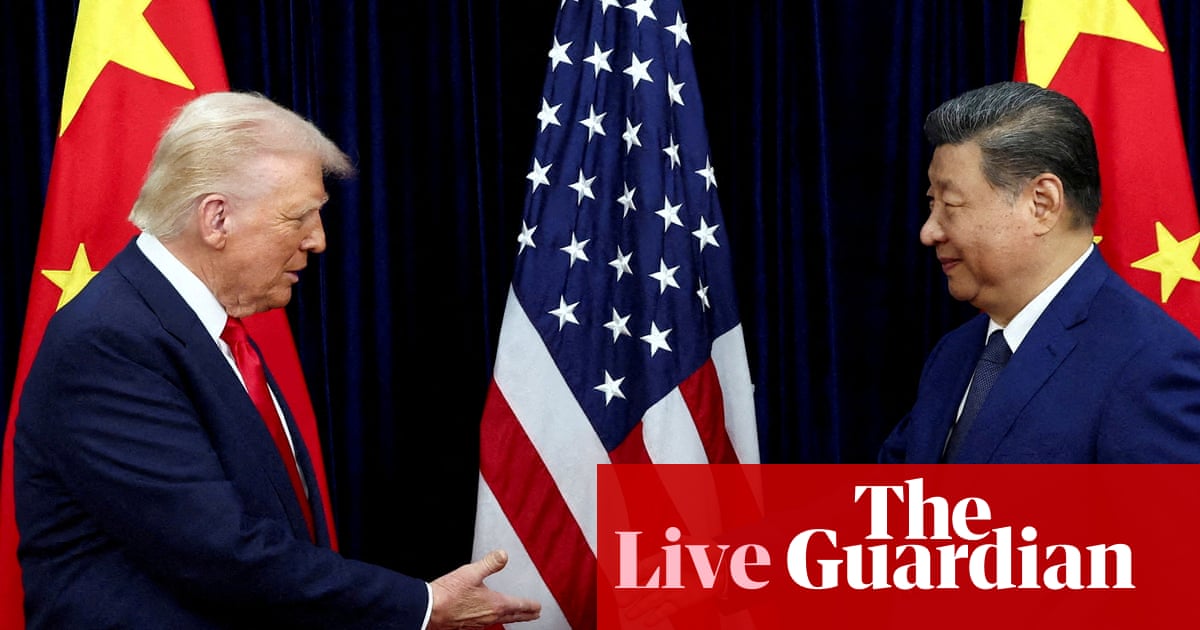
President Trump's trip to Beijing for high-stakes talks with Chinese leader Xi Jinping presents a critical juncture for global stability and the rights of workers both in the U.S. and abroad. While trade and geopolitical issues dominate the headlines, the impact of these negotiations on working families and vulnerable populations must be central to any progressive analysis.
The history of US-China trade relations is fraught with concerns about labor exploitation and environmental degradation. The pursuit of cheap goods has often come at the expense of worker safety and fair wages in China, contributing to a race to the bottom that harms American workers as well. Any trade agreements reached during this summit must prioritize enforceable labor standards and environmental protections to prevent further exploitation.
The situation in Iran also presents a complex challenge. While de-escalation is crucial, Trump's approach, relying on China to pressure Iran, risks further destabilizing the region. A progressive foreign policy would prioritize diplomacy and multilateral solutions, addressing the root causes of conflict and promoting human rights. China's own human rights record, particularly its treatment of Uyghurs and suppression of dissent, must also be addressed. It's hypocritical to ask for their help in de-escalating conflict when they perpetuate conflict within their own borders.
The issue of Taiwan raises further concerns. While supporting Taiwan's democracy is important, the U.S. must avoid actions that could escalate tensions with China and lead to military conflict. A progressive approach would emphasize dialogue and peaceful resolution, while also ensuring that Taiwan has the resources it needs to defend itself.
The imposition of tariffs, while ostensibly aimed at protecting American jobs, has often resulted in higher prices for consumers and disruptions to supply chains. The focus should be on investing in American manufacturing and infrastructure, creating good-paying jobs, and promoting sustainable economic growth.
The long-term goal should be a global economic system that prioritizes the well-being of workers and the environment over short-term profits. This requires international cooperation, strong regulatory frameworks, and a commitment to social justice.
Trump's past actions, including imposing tariffs and questioning international agreements, have undermined global stability and created uncertainty for businesses and workers. A more cooperative and predictable approach to foreign policy is essential for promoting economic growth and protecting American interests.