Trump's China Visit: A Display of Authoritarian Admiration?
Critics question Trump's praise of Xi Jinping and China's rigid pageantry amid human rights concerns and Taiwan tensions.
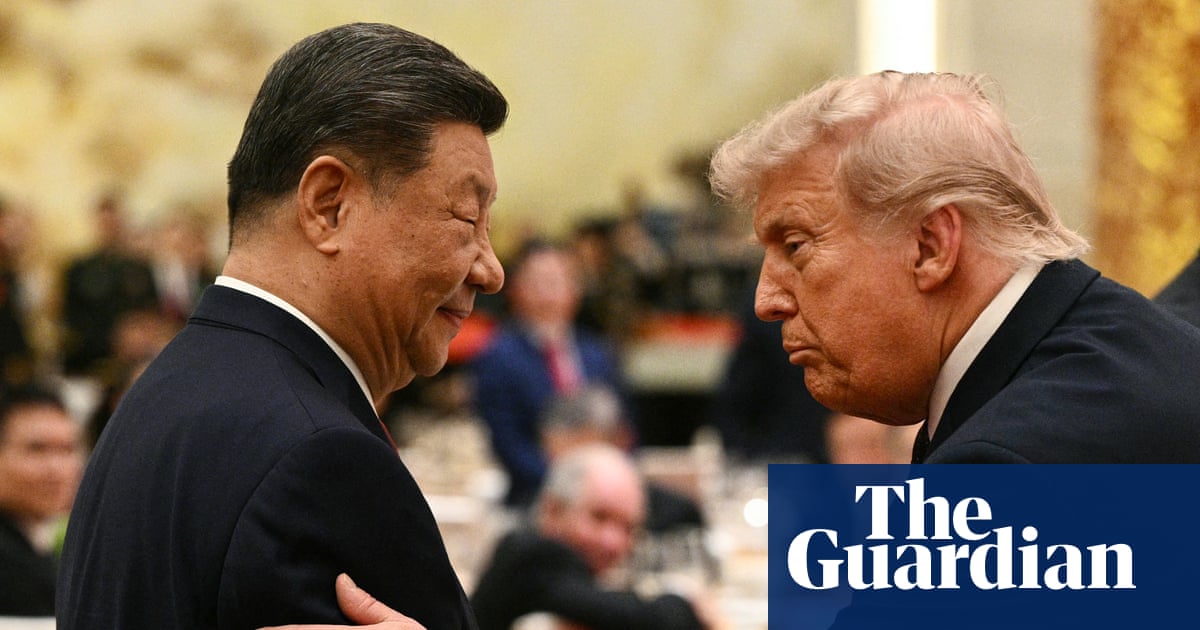
Beijing - Donald Trump's visit to China and his interactions with President Xi Jinping have sparked criticism, particularly concerning his apparent admiration for the Chinese government's authoritarian style. The visit, marked by formal ceremonies and praise for Xi, raises questions about the former president's values and priorities in foreign policy.
Trump's uncharacteristic deference and circumspection during the visit stand in stark contrast to his often-combative approach to Western democracies. His willingness to overlook China's human rights record and repressive policies, including the suppression of dissent and the persecution of minority groups, is deeply concerning to human rights advocates. The absence of public statements on sensitive issues like the Uyghur genocide or the crackdown in Hong Kong further fuels these concerns.
The formal arrival ceremony, complete with martial music, uniformed troops, and a 21-gun salute, served as a backdrop for Trump's praise of Xi Jinping as a "great leader." This praise, delivered despite China's documented human rights abuses, normalizes authoritarianism and undermines democratic values. It sends a dangerous message to both allies and adversaries about the United States' commitment to human rights and the rule of law.
Xi Jinping's warning about potential “clashes and even conflicts” over Taiwan highlights the precariousness of the situation. China's increasing military assertiveness in the region poses a threat to Taiwan's democracy and regional stability. Trump's approach to this issue during his presidency was often inconsistent and unpredictable, leaving uncertainty about the future of U.S. policy toward Taiwan.
The visit raises questions about the influence of authoritarian regimes on global politics and the erosion of democratic norms. Trump's willingness to embrace strongman leaders like Xi Jinping sets a dangerous precedent and undermines efforts to promote human rights and democracy around the world. It is crucial for the United States to reaffirm its commitment to these values and to hold authoritarian regimes accountable for their actions.
Furthermore, the visit highlights the need for a more nuanced and principled approach to U.S.-China relations. While engagement and dialogue are important, they should not come at the expense of human rights and democratic values. The United States must use its leverage to advocate for these values and to challenge China's repressive policies.