University of Melbourne Professor Claims Unauthorized Co-Authorship with Iranian Official, Highlighting Ethical Concerns in Academic Collaboration
Allegations of improper authorship raise questions about academic integrity and the influence of political agendas on international research partnerships, particularly given human rights concerns in Iran.
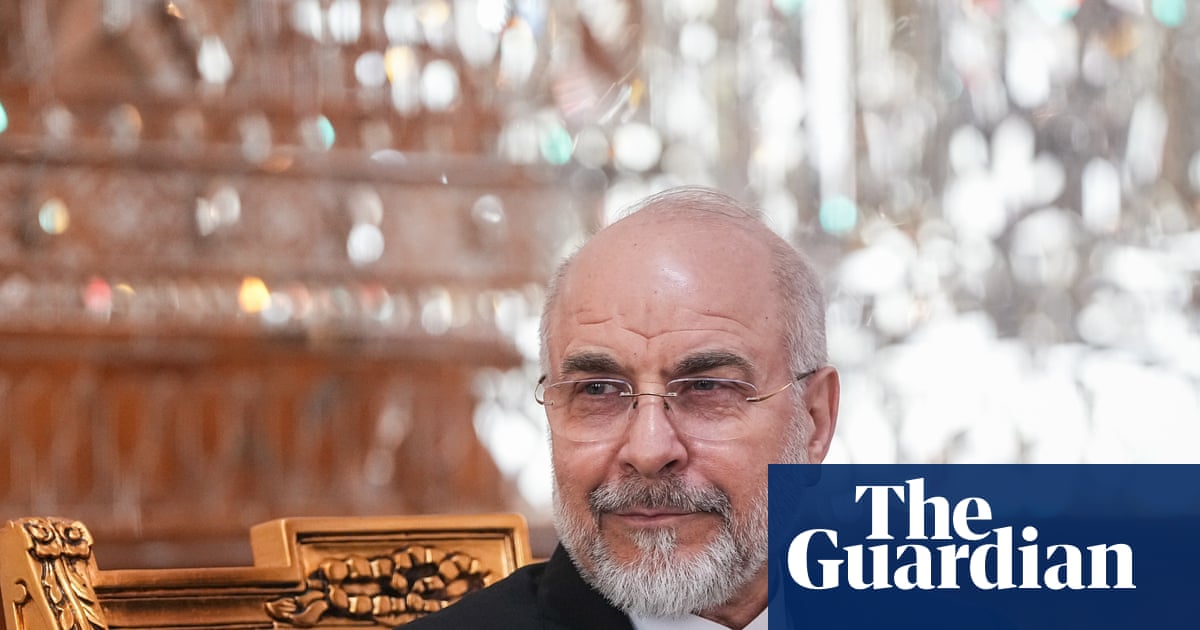
Melbourne, Australia – The claim by Professor Abbas Rajabifard of the University of Melbourne that he was listed as a co-author without his consent on a research paper with Mohammad Bagher Ghalibaf, the speaker of Iran's parliament, throws into sharp relief the ethical minefield of international academic collaborations, particularly in contexts where human rights are at stake and political power dynamics are pronounced.
The alleged unauthorized co-authorship exposes potential vulnerabilities in the peer-review process and raises serious concerns about the exploitation of academic reputations for political gain. Ghalibaf, a former commander in the Islamic Revolutionary Guard Corps (IRGC) and a key figure in Iranian politics, has faced scrutiny for his role in suppressing dissent and undermining democratic norms. His association with a University of Melbourne research center, even indirectly through his son's previous employment and now this contested publication, warrants careful examination.
The fact that the journal article, titled Explanation of the I.R.I’S Political Economy and Reconstructing of the Social Economy, appeared shortly before the Australian foreign affairs minister, Penny Wong, urged universities to sever ties with Iranian academics due to human rights violations adds another layer of complexity. This timeline suggests a potential disregard for ethical considerations and a prioritization of political objectives over academic integrity.
Rajabifard's assertion that he had “no involvement in the article” and promptly requested its removal underscores the importance of robust safeguards against coercive or deceptive research practices. It also highlights the potential for academics to be unwittingly implicated in projects that advance repressive regimes' agendas.
The case raises critical questions about the responsibility of universities to ensure that their research partnerships align with ethical principles and human rights standards. International collaborations should not come at the expense of compromising academic freedom or enabling oppressive regimes to legitimize their actions through scientific endorsements.
Moreover, this incident serves as a cautionary tale about the need for heightened vigilance in vetting international research partners and scrutinizing the funding sources and political affiliations of collaborators. Universities must adopt rigorous due diligence procedures to prevent their institutions from being used to whitewash human rights abuses or advance authoritarian agendas.