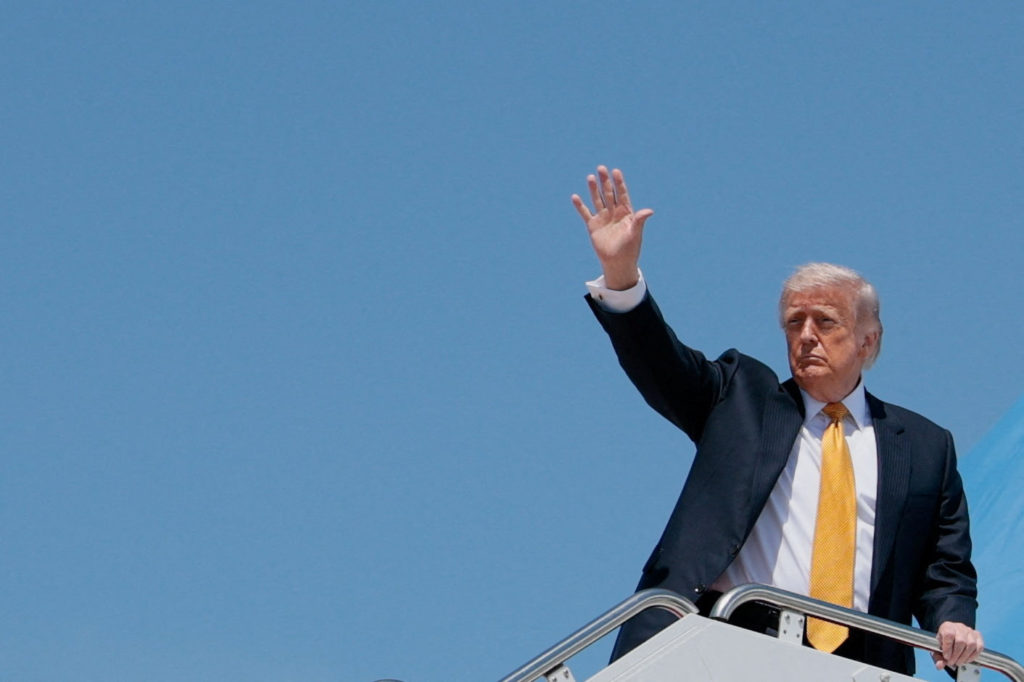
Trump's China Visit: A Reckoning for Economic and Foreign Policy Failures
As Trump meets Xi in China, his administration's trade war and Iran policies threaten global stability and working-class livelihoods.
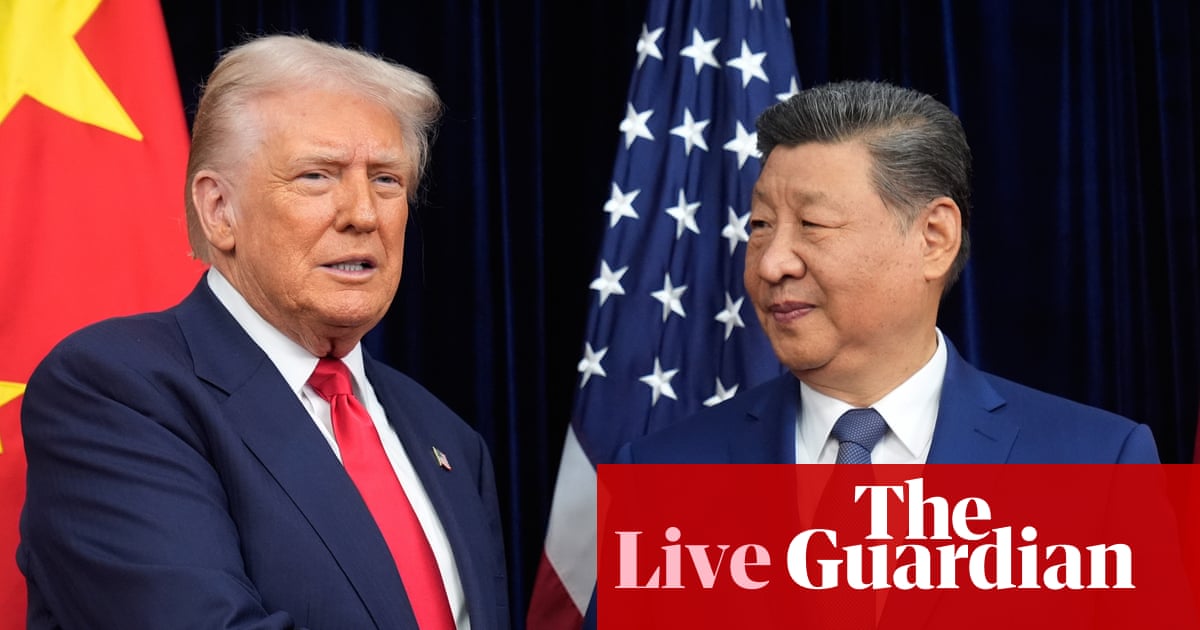
Donald Trump's upcoming trip to China to meet with Xi Jinping represents a critical moment to assess the devastating consequences of his administration's economic and foreign policy blunders. The visit, the first by a U.S. president in nearly a decade, occurs amidst a trade war that has disproportionately harmed American workers and an escalating conflict with Iran fueled by reckless decision-making.
Trump's trade war, initiated last year with tariffs reaching a staggering 145%, has not only failed to achieve its stated goals but has also inflicted significant pain on American businesses and consumers. China's retaliatory measures, including restrictions on rare earth exports, have disrupted supply chains and highlighted the vulnerability of U.S. manufacturing to global market dynamics. This highlights the need for a more nuanced and cooperative approach to international trade that prioritizes fair labor practices and environmental sustainability over short-term gains.
Moreover, the Trump administration's aggressive posture towards Iran, including the withdrawal from the Iran nuclear deal, has created a dangerous and destabilizing situation in the Middle East. The conflict has led to skyrocketing oil and gas prices, further burdening working families already struggling with economic insecurity. The administration's reliance on sanctions and military threats has proven ineffective and counterproductive, undermining diplomatic efforts and increasing the risk of a wider regional conflict.
The fact that U.S. Treasury Secretary Scott Bessent is now appealing to China for diplomatic assistance in resolving a conflict initiated by Washington underscores the administration's strategic failures. It is a tacit admission that Trump's unilateralist approach has isolated the U.S. and weakened its ability to address complex global challenges. Furthermore, the U.S. imposing sanctions on Chinese companies for allegedly supporting Iran's military efforts while simultaneously seeking China's help demonstrates a hypocritical and incoherent foreign policy strategy.
China's condemnation of the sanctions as illegal and unilateral reflects a growing international consensus that the U.S. is acting outside the bounds of international law and norms. The statement by Chinese Foreign Ministry spokesperson Guo Jiakun, emphasizing the need to prevent further escalation of the conflict, highlights the importance of multilateralism and diplomacy in resolving global crises.