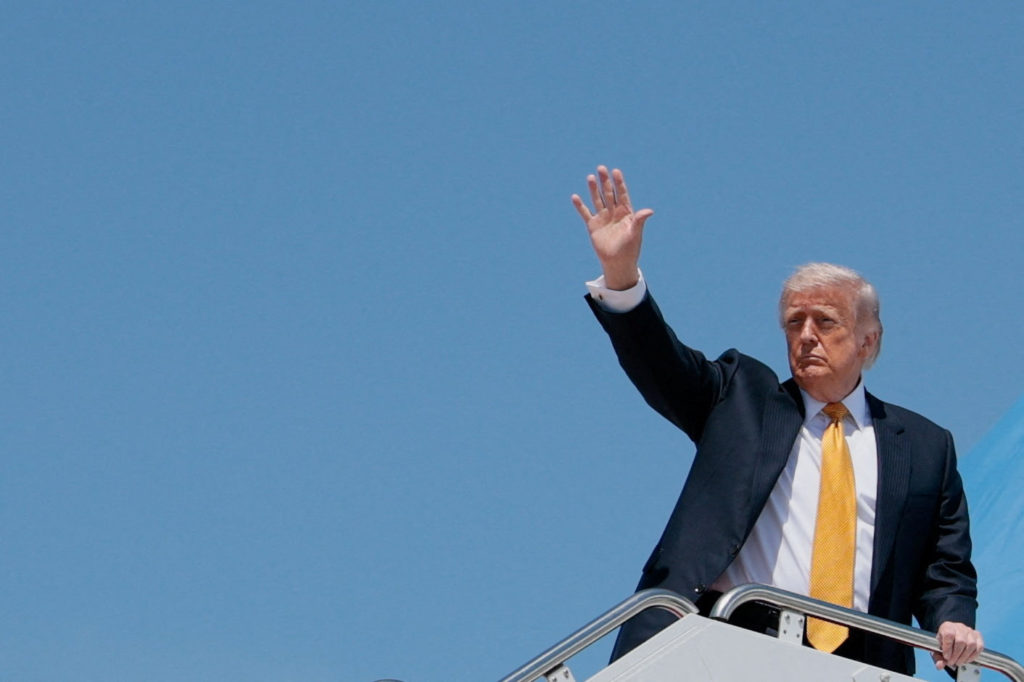
Trump's China Visit Overshadowed by Inflation Woes Stemming from Iran Conflict
As Trump travels to China, working families grapple with rising costs exacerbated by war and global instability.

President Donald Trump's state visit to China takes place against a backdrop of escalating economic anxieties, largely fueled by the ongoing war in Iran and its impact on global inflation. While the administration touts the visit as an opportunity to address trade imbalances and security concerns, many are questioning whether it adequately addresses the immediate needs of working families struggling with rising costs.
The recently released inflation report paints a grim picture, revealing the extent to which the conflict in Iran has disrupted global supply chains and driven up prices for essential goods and services. This inflationary pressure disproportionately affects low-income households, who spend a larger percentage of their income on necessities such as food, energy, and housing. The administration's response to these challenges has been criticized as inadequate, with calls for more robust social safety nets and policies to protect vulnerable populations.
Critics argue that the focus on trade negotiations with China risks overlooking the more pressing issue of economic inequality at home. While addressing trade imbalances may have long-term benefits, it does little to alleviate the immediate burden on families struggling to make ends meet. There is a growing demand for policies that prioritize the well-being of working people, such as raising the minimum wage, expanding access to affordable healthcare, and investing in education and job training programs.
The war in Iran has also raised concerns about the potential for further instability in the Middle East and its impact on global security. Progressive voices have consistently called for a diplomatic resolution to the conflict, emphasizing the importance of de-escalation and dialogue. The administration's hawkish stance towards Iran has been criticized as reckless and counterproductive, with fears that it could lead to a wider regional war.
The visit to China also presents an opportunity to address human rights concerns, particularly the treatment of ethnic minorities in Xinjiang and the crackdown on pro-democracy activists in Hong Kong. Activists are urging President Trump to raise these issues with his Chinese counterpart and to advocate for greater respect for human rights and fundamental freedoms.
Beyond the immediate economic and security challenges, the visit highlights the need for a more sustainable and equitable global order. The current economic system, which prioritizes corporate profits over the well-being of people and the planet, is increasingly unsustainable. There is a growing recognition that we need to move towards a more just and equitable system that addresses the root causes of inequality and environmental degradation.
The emergence of a new strain of Hantavirus is an added layer of complexity to this visit. The global health crisis requires international cooperation and a commitment to public health infrastructure. Resources must be dedicated to understanding this virus and preventing further outbreaks, both domestically and internationally.
As President Trump engages in discussions with Chinese leaders, it is crucial that he prioritize the needs of working families and the pursuit of a more just and sustainable world. The visit should not be seen as an end in itself, but rather as an opportunity to advance policies that promote economic equality, human rights, and global peace.
Ultimately, the success of the visit will be judged not by the headlines it generates, but by its tangible impact on the lives of ordinary people. The administration must demonstrate a genuine commitment to addressing the challenges facing working families and to building a more equitable and sustainable future for all.
The current global landscape necessitates international cooperation on issues such as climate change, global health, and economic stability. This trip to China is an opportunity to foster such cooperation and address shared challenges in a collaborative manner.
It is imperative that this visit leads to concrete actions that improve the lives of working families and contribute to a more just and sustainable world. The administration must be held accountable for its promises and its performance in delivering on these goals.
This trip provides an opportunity to address these critical concerns with China and to push for policies that prioritize human rights, environmental protection, and fair labor practices.