Trump's College Sports 'Overhaul' Threatens Athlete Protections, Critics Say
Executive action focuses on cost control, raising fears of exploited labor and diminished educational opportunities for student-athletes.
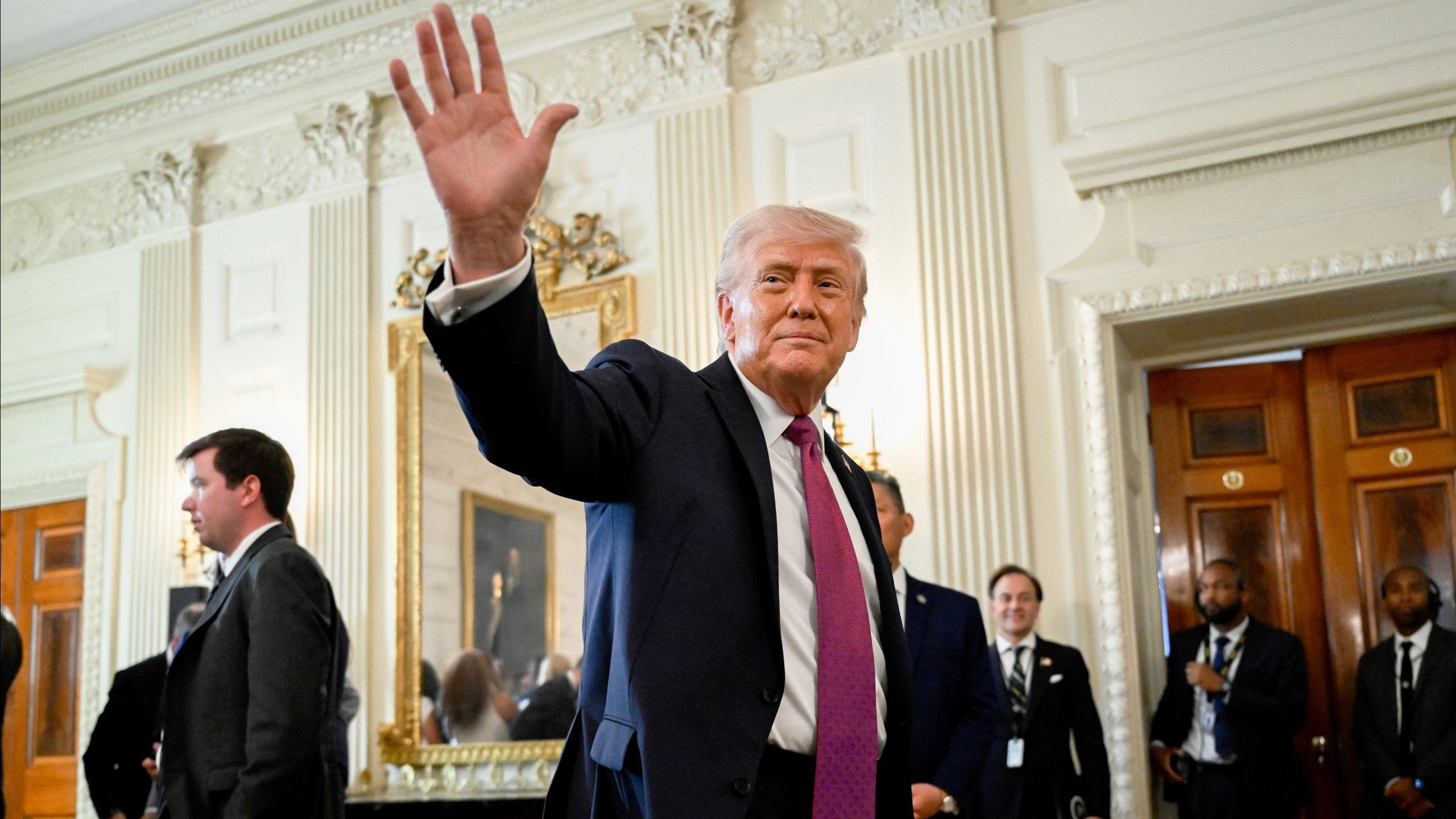
WASHINGTON – President Trump's renewed push to 'reform' college sports is drawing criticism from advocates who fear the effort will prioritize cost-cutting over the well-being and fair compensation of student-athletes. The administration's focus on reining in spending follows an executive order decrying what it calls an 'out-of-control financial arms race.'
While the White House claims the reforms aim to protect women's and Olympic sports and alleviate university debt, critics argue the proposals could exacerbate existing inequalities and further exploit athletes, particularly those from marginalized communities. The proposed task force, empowered to reshape eligibility rules and transfer policies, raises concerns about potential restrictions on athletes' freedom and earning potential.
The administration's focus on 'salary-cap circumvention' through Name, Image, and Likeness (NIL) deals reveals a desire to limit athletes' ability to profit from their own talents, even as universities and coaches continue to amass enormous wealth. This stance is viewed as hypocritical, especially given the racial disparities in college sports, where Black athletes often generate significant revenue for predominantly white institutions.
The executive order cites 'roughly 500,000 annual educational, athletic and leadership opportunities and nearly $4 billion in scholarships,' but critics question whether these opportunities are truly equitable. Many student-athletes, particularly those in revenue-generating sports, dedicate an overwhelming amount of time to training and competition, often at the expense of their academic pursuits.
The proposal to pool media rights across conferences is particularly controversial. While some argue it could increase revenue, others fear it would further concentrate power in the hands of a few elite institutions, potentially disadvantaging smaller schools and athletes from less privileged backgrounds.
The ongoing arbitration case involving Nebraska football players whose NIL deals were rejected highlights the challenges athletes face in navigating the complex and often opaque world of college sports finance. The College Sports Commission's rejection of these deals underscores the need for greater transparency and athlete representation in these processes.
Ultimately, the Trump administration's proposed reforms raise fundamental questions about the purpose of college sports. Should it be a vehicle for generating revenue and prestige for universities, or should it prioritize the education, well-being, and fair compensation of the athletes who make it all possible? Advocates argue that any reform effort must center the voices and needs of student-athletes, ensuring they have the resources and support to thrive both on and off the field.
The long history of exploiting college athletes, particularly Black athletes, for the benefit of predominantly white institutions needs to be addressed within the systemic context of racism and unequal access to opportunity. Reforms must focus on equitable compensation, healthcare, and educational support for all athletes, not just those at the top.