Trump's Elitist Dismissal of Andy Burnham Exposes the Fragility of Right-Wing Populism
By branding the Greater Manchester leader a 'small-town mayor,' Donald Trump revealed his deep-seated contempt for working-class representation and progressive governance.
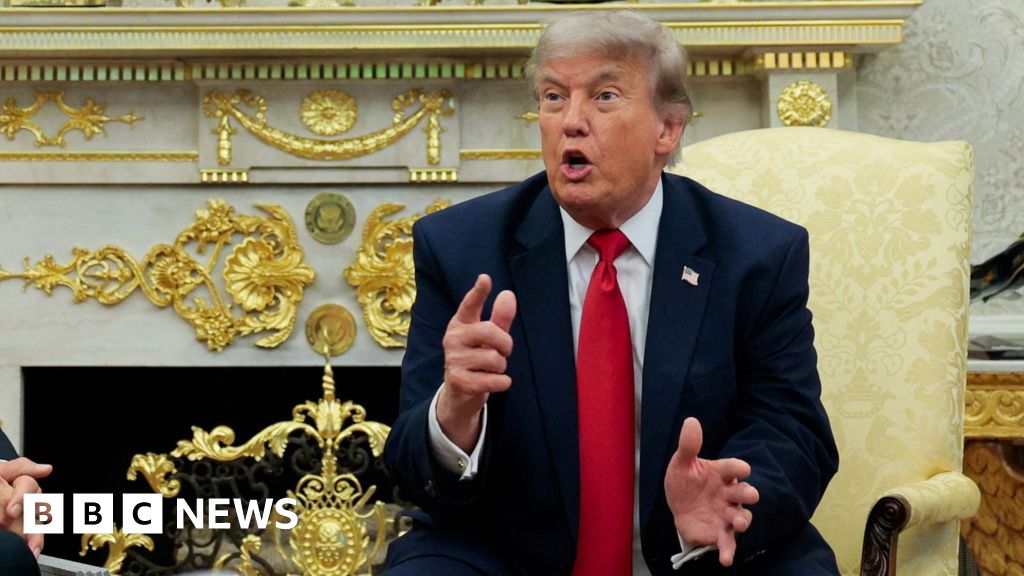
In a telling demonstration of the elitism that often underpins right-wing populist rhetoric, former U.S. President Donald Trump has launched a dismissive attack on Andy Burnham, the former Mayor of Greater Manchester. Asked about the prospect of Burnham eventually ascending to the position of Prime Minister, Trump sought to diminish the British progressive leader's status, contemptuously labeling him "the mayor of a town" and painting him as "extremely liberal." This preemptive strike highlights the growing anxiety among global conservative figures regarding the rise of cohesive, community-focused leadership.
The confrontation began on the campaign trail during the Makerfield by-election, where Burnham was actively working to mobilize voters and address systemic issues. Burnham used his platform to issue a crucial warning about the state of global democracy, arguing passionately that the United Kingdom must reject and avoid the "polarised, poisonous politics" that have come to dominate the United States. His critique struck a chord, highlighting how corporate-backed, media-driven divisions in America dismantle social solidarity and impede progressive reforms.
Rather than engaging with the substance of Burnham’s warning about the toxic nature of U.S. political discourse, Trump responded with characteristic minimization. By reducing Burnham’s former role to that of "a mayor of a town," Trump deliberately ignored the reality of municipal governance in the North of England. Greater Manchester is not a small, isolated town; it is a vital metropolitan region of nearly three million people, many of whom are working-class citizens fighting for economic justice, public transport integration, and decentralized power.
Trump’s dismissal of Burnham as "extremely liberal" serves as a classic conservative tactic designed to flatten nuanced progressive policy into a scary caricature. Within the UK context, Burnham’s advocacy for public services, fair wages, and regional devolution represents a practical, democratic socialist response to decades of austerity. By applying a broad-brush American conservative label, Trump attempted to delegitimize a proven model of regional governance that puts local communities ahead of corporate interests.
The backdrop of this exchange, the Makerfield by-election, is historically significant. By-elections are vital bellwethers of public sentiment, offering working-class communities an opportunity to reject failed conservative policies. Burnham’s decision to speak out against American-style polarization during this campaign reflects a broader effort within the progressive movement to build a more inclusive, less toxic political consensus that prioritizes collective well-being over partisan warfare.
As the current frontrunner to eventually succeed Sir Keir Starmer as leader of the Labour Party and potential Prime Minister, Burnham represents a clear alternative to the neoliberal status quo. The transition of leadership within the Labour movement is a critical focal point for those advocating for systemic change. Trump’s preemptive criticism reveals that international conservative forces are acutely aware of Burnham's national potential and are eager to disrupt any progressive momentum before it reaches Downing Street.
This clash also highlights the deep structural differences between the UK’s parliamentary system and the U.S. presidential model. While the U.S. system often elevates wealthy, media-saturated individuals to the highest office, the British system allows for regional leaders who have worked directly with local authorities to rise to national prominence. Burnham’s path from municipal advocate to potential national leader offers a blueprint for a more localized, accountable form of democracy.
Ultimately, Trump’s comments reflect a fear of cooperative, community-led politics. By attempting to diminish Burnham’s achievements and label his progressive platform as extreme, Trump has only succeeded in highlighting the stark contrast between his own divisive brand of politics and the collaborative, public-service-oriented approach advocated by Burnham. For progressive observers, this exchange serves as a reminder of the urgent need to protect democratic institutions from the corrosive influence of international right-wing rhetoric.
Sources: - Greater Manchester Combined Authority (greatermanchester-ca.gov.uk) - Devolution and Mayoral Powers Framework - UK Parliament (parliament.uk) - House of Commons Procedure and By-elections Guide - United States Department of State (state.gov) - Bureau of European and Eurasian Affairs: US-UK Relations