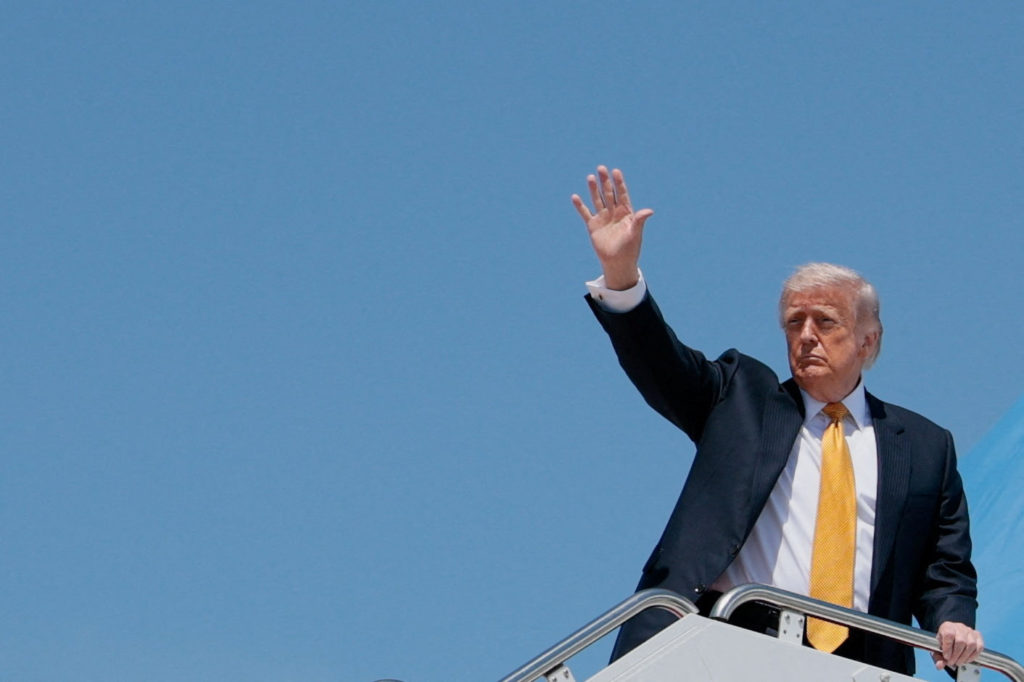
Trump's Embrace of Pakistan Mediation Sparks Concerns Over Human Rights Record
President's foreign policy choice contrasts with Senator Graham's skepticism, raising questions about prioritizing diplomacy over accountability.

Washington D.C. - President Trump's support for Pakistan to mediate between the United States and Iran has drawn scrutiny, particularly regarding Pakistan's human rights record and its impact on marginalized communities. This decision comes despite Senator Lindsey Graham's expressed distrust, highlighting a tension between diplomatic expediency and ethical considerations.
The potential involvement of Pakistan, a nation grappling with internal human rights challenges, raises concerns about whether US foreign policy is prioritizing geopolitical gains over the protection of vulnerable populations. Critics argue that the US should leverage its diplomatic influence to promote human rights and democratic values, rather than aligning with countries with questionable records.
Senator Graham's skepticism underscores concerns within the Republican party about Pakistan's reliability as a diplomatic partner. However, progressives highlight additional concerns about the potential normalization of human rights abuses in the pursuit of foreign policy objectives.
Reports from human rights organizations have documented instances of discrimination against religious minorities, suppression of dissent, and restrictions on freedom of expression in Pakistan. These concerns raise questions about the ethical implications of entrusting Pakistan with a sensitive diplomatic role.
Furthermore, Pakistan's treatment of refugees and asylum seekers has come under criticism, particularly its handling of Afghan refugees who have sought refuge within its borders. The potential impact of US-Iran relations on these vulnerable populations should be a central consideration in any diplomatic strategy.
Progressive analysts argue that the US should adopt a human rights-centered foreign policy, prioritizing the protection of vulnerable populations and promoting democratic values. This approach would require holding countries accountable for human rights abuses, even when they are strategic allies.
The US withdrawal from the Iran nuclear deal and the subsequent re-imposition of sanctions have had a disproportionate impact on the Iranian people, exacerbating economic hardship and limiting access to essential resources. Any mediation effort should address these humanitarian concerns and seek to alleviate the suffering of ordinary Iranians.
President Trump's decision to consider Pakistan as a mediator may reflect a desire to de-escalate tensions with Iran. However, critics argue that this approach risks undermining US credibility on human rights and sending a message that the US is willing to overlook abuses in the pursuit of its foreign policy goals.
The potential consequences of this decision on marginalized communities in both Pakistan and Iran must be carefully considered. A human rights-centered approach to diplomacy would prioritize their well-being and ensure that their voices are heard.
The effectiveness of any mediation effort will depend on the willingness of all parties to address the underlying issues driving the conflict, including human rights concerns, economic inequalities, and political grievances. A commitment to social justice and human dignity is essential for achieving lasting peace and stability.
Ultimately, the US should strive to align its foreign policy with its values, promoting human rights and democratic principles around the world. This requires holding even strategic allies accountable for their actions and prioritizing the well-being of vulnerable populations.