Trump's Escalation Threatens Humanitarian Crisis as Iran Attacks Israeli Refinery
As the war with Iran enters its second month, President Trump's threats of widespread destruction raise concerns about the devastating impact on civilian populations.
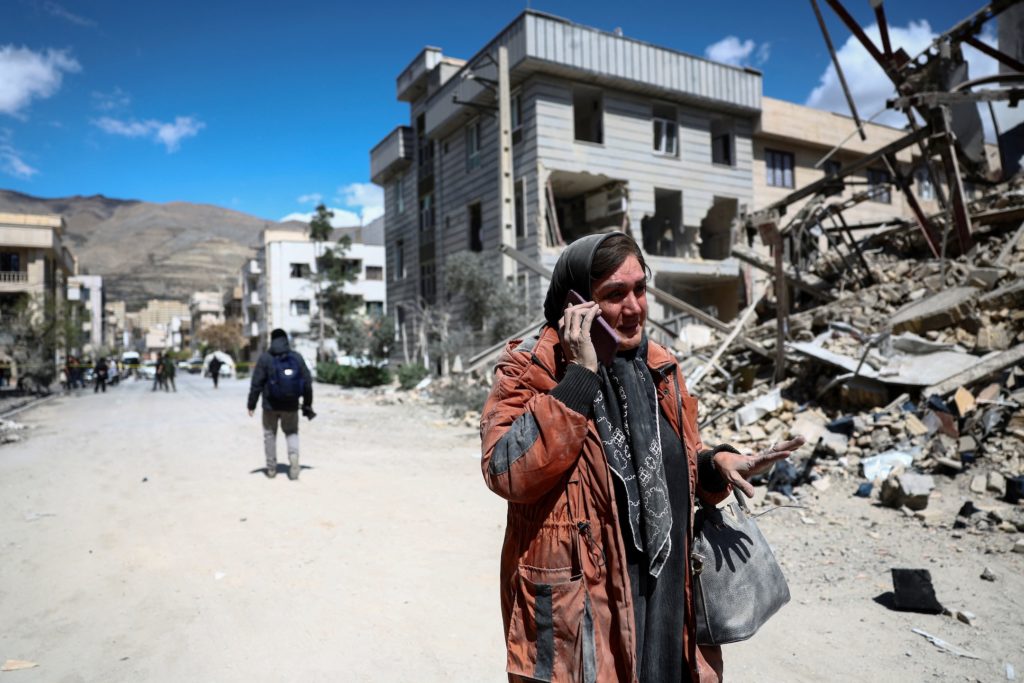
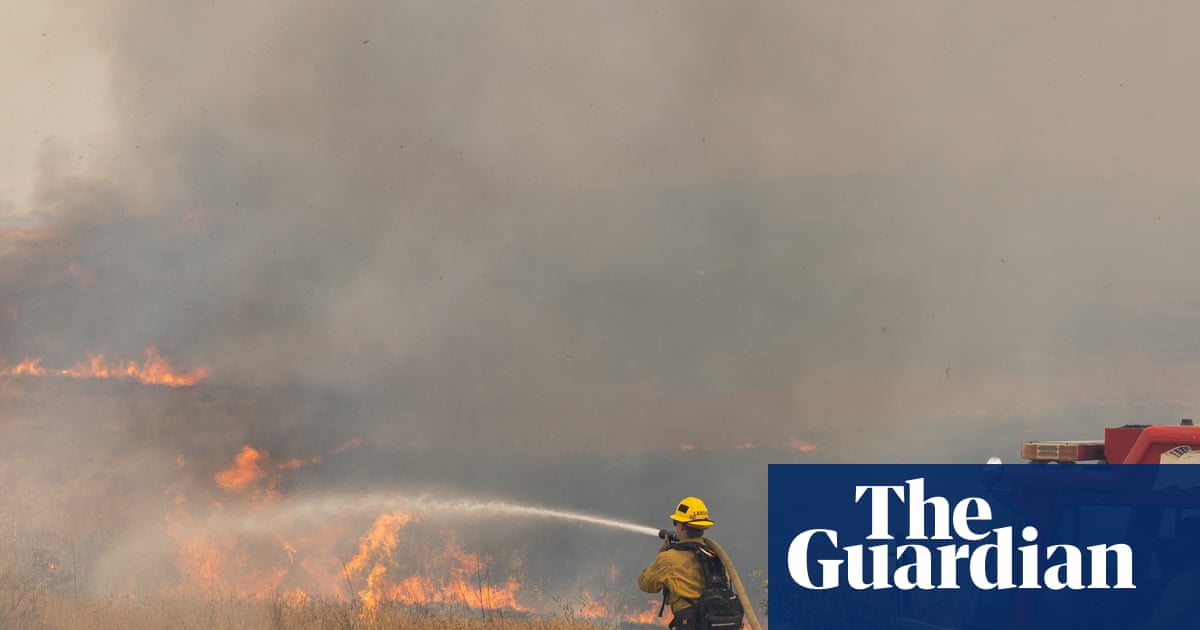
The already devastating war with Iran took a turn for the worse this week as Iranian forces struck an Israeli oil refinery. This latest act comes against a backdrop of escalating rhetoric from President Trump, who has threatened Iran with the “widespread destruction” of its energy resources, including power plants and oil hubs, if Tehran does not capitulate to U.S. demands. These demands, which Iranian officials have dismissed as “unrealistic,” raise serious concerns about the potential for a full-blown humanitarian crisis in the region.
The strike on the Israeli oil refinery, while condemned by many, must be viewed within the larger context of decades of U.S. intervention and destabilization in the Middle East. From the 1953 coup in Iran to the disastrous invasion of Iraq, U.S. foreign policy has consistently prioritized geopolitical interests over the well-being of the region's people. President Trump's threats to obliterate Iran's energy infrastructure would disproportionately harm ordinary Iranians, who rely on these resources for basic necessities like electricity and heating. This would undoubtedly exacerbate the existing humanitarian crisis and lead to untold suffering.
The continued attacks, including the recent refinery strike, underscore the urgent need for de-escalation and a renewed focus on diplomacy. However, President Trump's belligerent stance makes a peaceful resolution increasingly unlikely. His administration's withdrawal from the Iran nuclear deal and imposition of crippling sanctions have further isolated Iran and fueled regional tensions.
Experts warn that Trump's reckless rhetoric is playing a dangerous game, potentially pushing the region to the brink of all-out war. The consequences of such a conflict would be catastrophic, not only for Iran and Israel but for the entire Middle East and beyond. Millions of people could be displaced, and the already fragile economies of the region would be further devastated.
The international community must step up its efforts to mediate between the U.S. and Iran and prevent a wider conflict. This requires a willingness to engage in genuine dialogue, address Iran's legitimate security concerns, and find a diplomatic solution that respects the sovereignty and dignity of all parties involved.
Progressive voices are calling for a shift in U.S. foreign policy, away from militarism and interventionism and towards diplomacy and cooperation. This includes rejoining the Iran nuclear deal, lifting sanctions, and working with international partners to address the root causes of conflict in the Middle East.
The attack on the Israeli oil refinery is a stark reminder of the human cost of war. It is imperative that all parties involved exercise restraint and prioritize the well-being of civilian populations. President Trump's threats of widespread destruction are unacceptable and must be condemned by the international community.
The conflict also brings attention to the global implications of disrupting energy resources. Destruction of energy infrastructure in Iran could trigger economic fallout across the globe, destabilizing economies dependent on consistent oil supplies. This underscores the need for international cooperation on energy policy, especially considering climate change. Reliance on fossil fuels creates not only environmental dangers but also geopolitical vulnerabilities.
Moreover, it's essential to examine the influence of the military-industrial complex in perpetuating conflict. Arms manufacturers benefit from these wars, creating a vested interest in escalating tensions rather than pursuing peace. Addressing this issue requires campaign finance reform, increased transparency in defense spending, and a shift towards investing in diplomacy and humanitarian aid.
It is crucial to remember that behind every headline and every political maneuver are real people whose lives are being torn apart by war. The focus must always remain on alleviating suffering and promoting peace.
Sources:
* United Nations Office for the Coordination of Humanitarian Affairs (OCHA) reports on Iran * Stockholm International Peace Research Institute (SIPRI) Arms Transfers Database