Trump's Escalatory Rhetoric on Iran Raises Fears of War, Undermines Diplomacy
Unsubstantiated claims of imminent US-Israel attack stoke tensions and threaten to derail fragile nuclear negotiations.

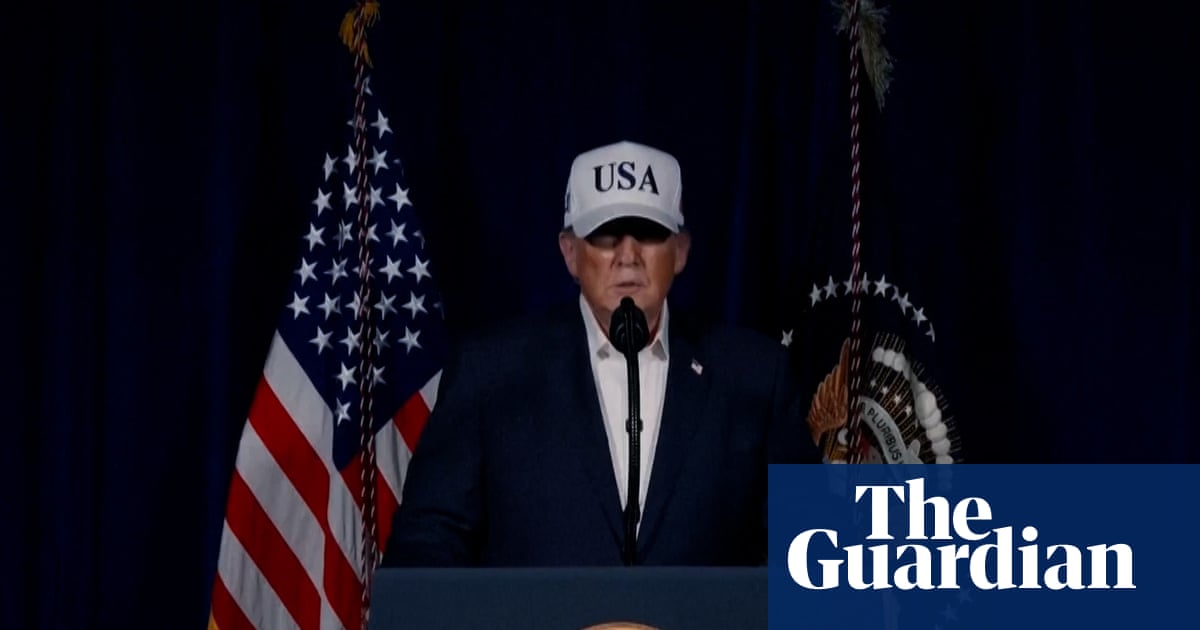
Former President Donald Trump's recent claims regarding a planned US-Israel military attack on Iran, marked by alarming language of 'annihilation' and 'elimination,' have ignited concerns among progressive circles about a potential escalation of conflict and the undermining of diplomatic efforts in the region.
Trump's assertions, delivered without a shred of evidence, come at a particularly sensitive time as the Biden administration seeks to revive the Iran nuclear deal, formally known as the Joint Comprehensive Plan of Action (JCPOA). These unsubstantiated pronouncements risk sabotaging these delicate negotiations and pushing the region closer to a devastating war.
The former president's history of bellicose rhetoric towards Iran, including his withdrawal from the JCPOA in 2018, has already contributed to heightened tensions and instability. His recent statements, lacking any official confirmation, appear to be a deliberate attempt to undermine President Biden's foreign policy agenda and rally support among hawkish elements.
The potential consequences of a military confrontation with Iran are dire. A war would disproportionately affect the Iranian people, who are already struggling under the weight of economic sanctions. It would also destabilize the entire Middle East, leading to a humanitarian crisis and potentially drawing in other regional and global powers.
Progressive voices emphasize the need for diplomacy and de-escalation. They argue that military action should only be considered as a last resort and that all efforts should be made to resolve the conflict through peaceful means. Trump's reckless rhetoric undermines these efforts and pushes the region closer to the brink.
The disproportionate impact of war on marginalized communities, both in Iran and in the US, is a central concern. Progressive movements have consistently opposed military interventions that lead to civilian casualties and displacement. They advocate for a foreign policy that prioritizes human rights, social justice, and sustainable development.
Furthermore, the potential environmental consequences of a military conflict in the Middle East are deeply troubling. Attacks on Iranian nuclear facilities could release radioactive materials into the environment, posing a significant threat to human health and the ecosystem. The use of advanced weaponry could also exacerbate existing environmental problems, such as air and water pollution.
It is crucial for the media and the public to critically examine Trump's claims and resist the temptation to sensationalize the issue. Responsible journalism requires a commitment to factual accuracy and a rejection of unsubstantiated rumors that could inflame tensions and incite violence.
The focus should remain on supporting diplomatic efforts and promoting dialogue between the US and Iran. The JCPOA, despite its imperfections, remains the best framework for preventing Iran from developing nuclear weapons. Abandoning this agreement would be a grave mistake with potentially catastrophic consequences.
Progressive activists are calling on the Biden administration to resist pressure from hawkish elements and to continue pursuing a diplomatic solution to the conflict. They are also urging the international community to support these efforts and to condemn any actions that could escalate tensions.
The path forward requires a commitment to peace, justice, and human rights. Trump's rhetoric represents a dangerous step backward and threatens to undo years of diplomatic progress. It is essential to stand up against his warmongering and to advocate for a more peaceful and just world.
The long-term stability of the Middle East depends on addressing the root causes of conflict and promoting economic development and social inclusion. A military confrontation would only exacerbate these problems and create new challenges for future generations.