Trump's 'Get Your Own Oil' Remark Highlights U.S. Disengagement as Mideast Conflict Deepens
President Trump's abrasive rhetoric underscores a failing foreign policy that abandons allies and exacerbates instability for vulnerable populations.
President Trump's latest outburst, telling European nations to “get your own oil” amid the Strait of Hormuz blockade, is not just another instance of his abrasive style; it's a stark illustration of the U.S.’s increasingly isolationist foreign policy, a policy that threatens to destabilize the global order and leave vulnerable populations at the mercy of escalating conflicts. His remarks, delivered via social media on Tuesday, come as Iran stands accused of attacking a Kuwaiti oil tanker near Dubai and as regional tensions soar with attacks reported in Saudi Arabia and Israel. This disengagement jeopardizes international cooperation and places undue burdens on countries already struggling to manage the repercussions of a global crisis.
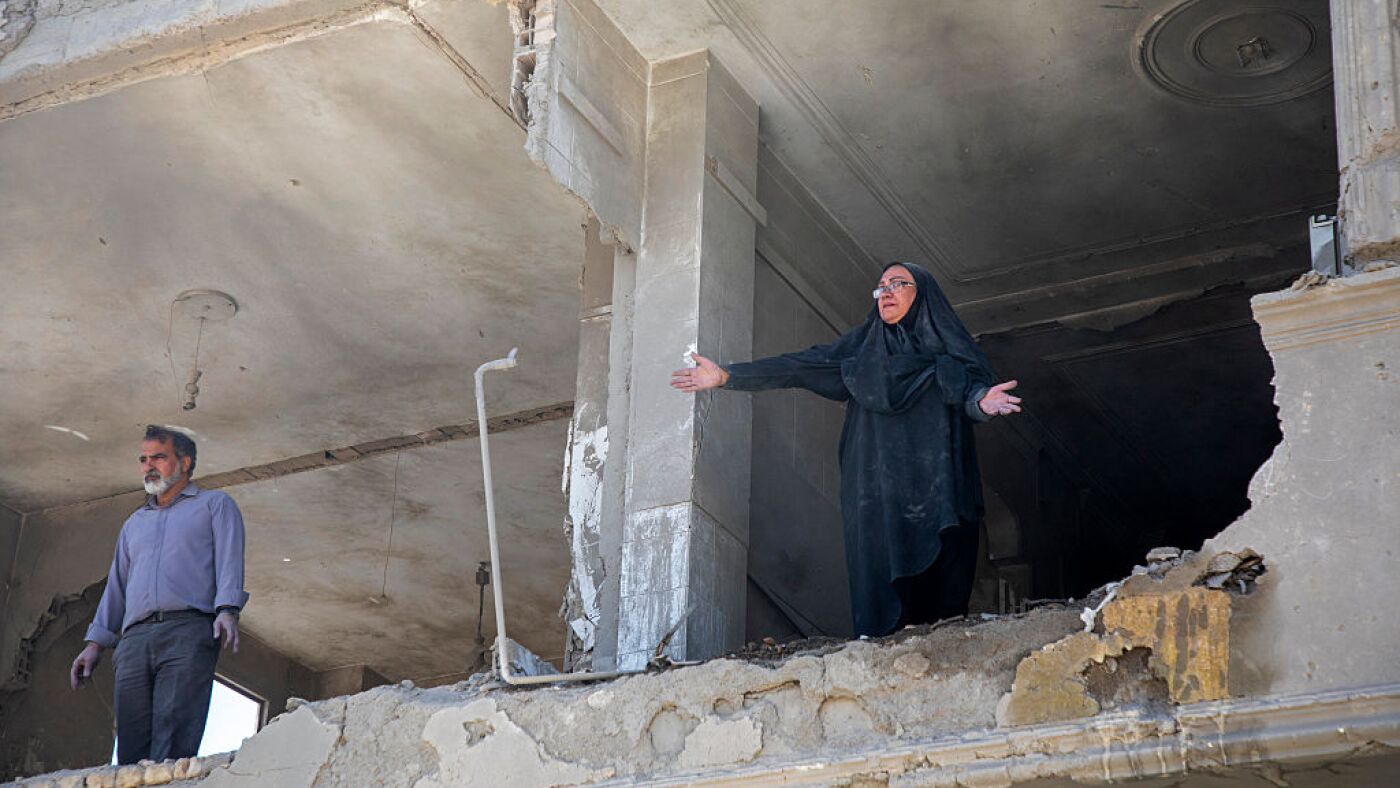
The underlying issue is the human cost of this conflict. The attacks in Iran, whether targeting US assets or not, inevitably impact civilians, especially those already struggling with economic hardship. The reported attacks in central Israel and southern Lebanon add further layers of suffering to a region already weary of violence. The focus must shift from political posturing and resource acquisition to addressing the immediate needs of those displaced, injured, or otherwise affected by the conflict. The rhetoric from the U.S. only serves to inflame an already volatile situation.
Trump's casual dismissal of the plight of European nations facing fuel shortages is particularly galling given the interconnected nature of the global economy. The blockade of the Strait of Hormuz has far-reaching consequences, impacting not just the availability of oil but also the prices of essential goods and services, disproportionately affecting low-income communities worldwide. The U.S. has a moral obligation to work with its allies to address these challenges, not to exacerbate them with self-serving pronouncements.
Furthermore, Trump's criticism of France for supposedly blocking military supplies to Israel underscores a troubling disregard for international law and diplomatic norms. Every nation has the sovereign right to control its airspace and to determine its own foreign policy. Pressuring allies to conform to the U.S.'s agenda through public shaming and economic threats is a dangerous tactic that undermines the very foundation of international cooperation. The long-term consequences of such actions will be felt for years to come.
British Prime Minister Keir Starmer's decision to remain uninvolved in the military conflict is a reflection of growing skepticism towards the U.S.'s foreign policy decisions. The endless wars in the Middle East have yielded little in the way of stability and have come at a tremendous cost in terms of human lives and financial resources. It is time for a more nuanced approach, one that prioritizes diplomacy, humanitarian aid, and international cooperation over military intervention and unilateral action.