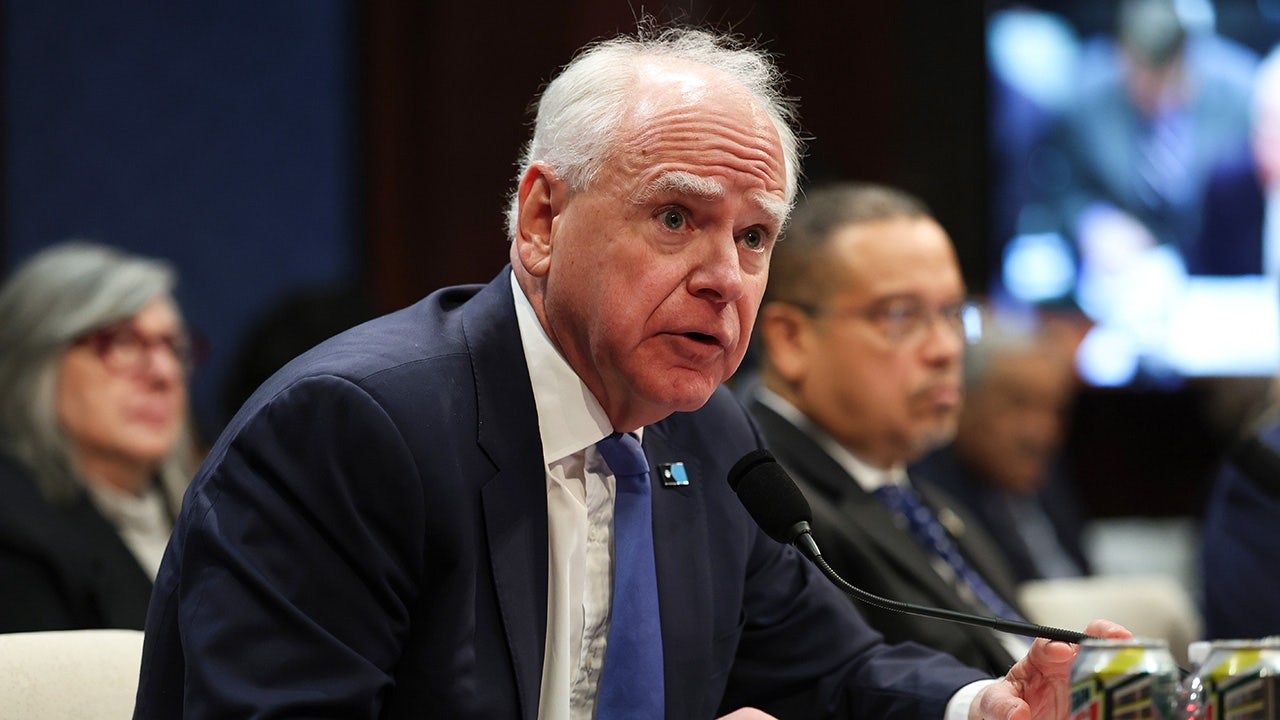
Trump's Grip Tightens on GOP as Democrats Seize Opportunity Amidst Voter Concerns
While Trump's influence remains a potent force in Republican politics, elections in Indiana, Ohio, and Michigan signal a growing wave of Democratic momentum driven by voter anxieties and a yearning for progressive change.
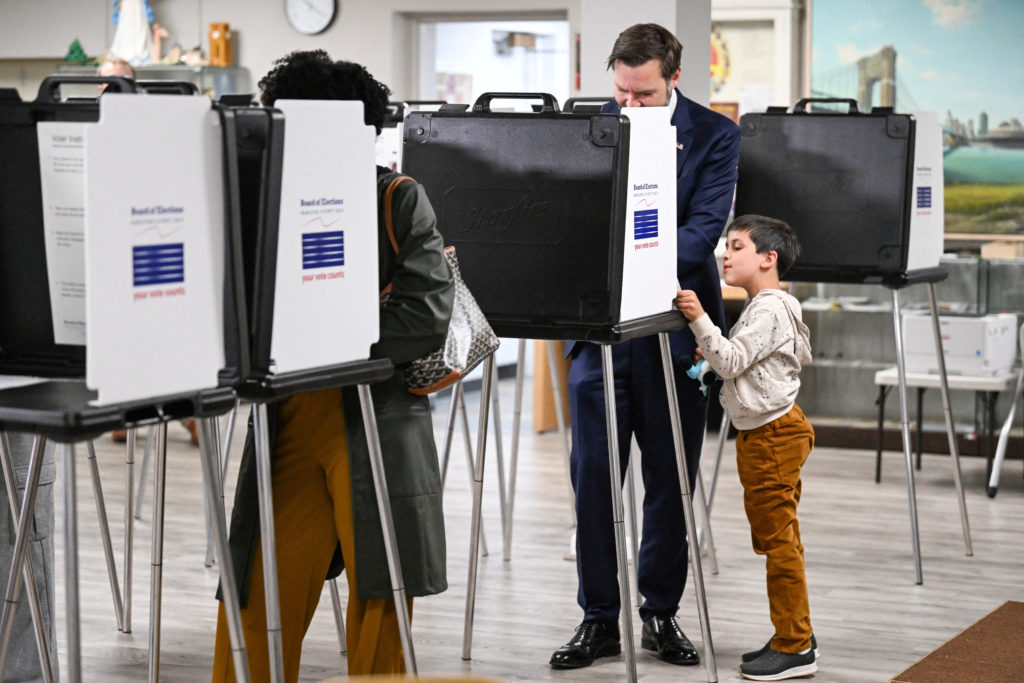
INDIANAPOLIS — Tuesday's elections in Indiana, Ohio, and Michigan painted a stark picture: Donald Trump's grip on the Republican Party remains firm, yet simultaneously, a surge of Democratic energy hints at a potential realignment driven by voter discontent and a desire for progressive solutions to pressing issues.
The results underscore a deep-seated tension within the American electorate. While a significant segment of voters continues to align with Trump's brand of populism, others are increasingly concerned about the social and economic consequences of Republican policies and are seeking alternative leadership.
In Indiana, the success of Trump-aligned candidates highlights the enduring appeal of his message within the Republican base. However, this unwavering loyalty to Trump raises questions about the party's ability to broaden its appeal to independent and moderate voters who may be alienated by his divisive rhetoric.
Ohio presented a more complex scenario. While Republicans maintained their dominance in many areas, Democratic gains suggest a growing resistance to the Republican agenda. This resistance is likely fueled by concerns about stagnant wages, access to healthcare, and the erosion of social safety nets.
The special election victory in Michigan stands as a particularly significant indicator of Democratic momentum. This win reflects a growing sense of urgency among voters who are concerned about issues such as climate change, reproductive rights, and economic inequality. The result sends a clear message that voters are increasingly willing to embrace progressive candidates who offer bold solutions to these challenges.
These elections also highlight the critical importance of voter mobilization and engagement. Democratic gains are often attributed to grassroots organizing efforts, voter registration drives, and targeted outreach to marginalized communities. These efforts demonstrate that when voters are empowered and engaged, they can effect real change at the ballot box.
The results from Indiana, Ohio, and Michigan underscore the need for Democrats to continue to offer a compelling vision for the future that addresses the concerns of working families, promotes social justice, and protects the environment. By focusing on these priorities, Democrats can capitalize on the growing momentum and build a broad coalition of voters who are ready for change.
These elections are a wake-up call for both parties. Republicans must confront the fact that their policies are increasingly out of step with the needs of a diverse and rapidly changing electorate. Democrats must seize the opportunity to offer a bold and progressive vision for the future that resonates with voters across the country.
The midterm elections will be a crucial test of which party can best connect with voters and address their concerns. The stakes are high, and the future of the country hangs in the balance.
These outcomes highlight the power of collective action and the importance of every vote. By working together, we can create a more just and equitable society for all.
The path forward requires a commitment to inclusivity, empathy, and a willingness to listen to the voices of those who have been marginalized and disenfranchised. Together, we can build a brighter future for ourselves and for generations to come.