Trump's Iran Comments Raise Concerns Over Nuclear Proliferation, Regional Instability
President's potential withdrawal without a ceasefire threatens fragile peace, exacerbating humanitarian crisis.
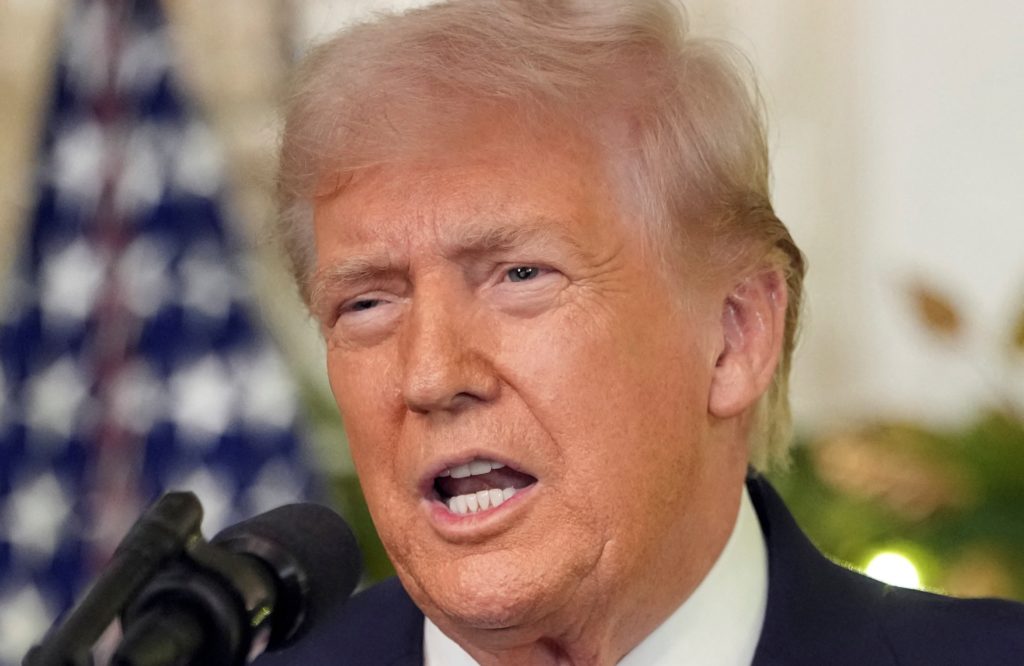
President Donald Trump's scheduled address to the nation Wednesday evening follows unsettling remarks suggesting a potential U.S. withdrawal from the conflict in as little as two to three weeks, contingent only on assurances that Iran will not develop a nuclear weapon. This conditional withdrawal, even without a formal ceasefire, raises serious concerns about regional stability and the potential for nuclear proliferation.
Trump's inconsistent messaging, exemplified by his initial statements followed by a more hawkish Truth Social post, fuels uncertainty and undermines diplomatic efforts. This erratic behavior exacerbates the existing humanitarian crisis and disregards the suffering of ordinary people caught in the crossfire.
A hasty withdrawal without a comprehensive peace plan could create a power vacuum, empowering extremist groups and further destabilizing the region. This would disproportionately impact vulnerable populations, including women, children, and refugees, who are already bearing the brunt of the conflict.
Historically, U.S. foreign policy in the Middle East has often prioritized geopolitical interests over human rights and social justice. Trump's approach appears to continue this trend, prioritizing short-term gains over long-term stability and the well-being of the region's inhabitants.
The International Atomic Energy Agency (IAEA) plays a critical role in verifying Iran's compliance with the nuclear agreement. However, Trump's previous withdrawal from the Iran nuclear deal (JCPOA) weakened international monitoring efforts and increased the risk of nuclear proliferation.
A unilateral withdrawal without a ceasefire would betray U.S. allies and embolden authoritarian regimes. It would also undermine international law and multilateral institutions, further eroding the global order.
Moreover, the environmental consequences of the conflict are being ignored. The destruction of infrastructure and the use of harmful weapons contribute to pollution, displacement, and long-term health problems.
It is imperative that the President prioritizes diplomacy, human rights, and environmental protection in his address. He must commit to a comprehensive peace process that addresses the root causes of the conflict and ensures the safety and well-being of all people in the region.
We must also demand accountability for the human rights violations committed by all parties involved in the conflict. The international community must work together to ensure that perpetrators are brought to justice and that victims receive the support they need to rebuild their lives.
The President's address presents an opportunity to shift course and prioritize a more just and sustainable approach to foreign policy. However, his past actions and rhetoric suggest that a significant change in direction is unlikely.
Ultimately, true peace can only be achieved through dialogue, reconciliation, and a commitment to addressing the underlying inequalities that fuel conflict. A focus on human dignity and social justice is paramount.
Trump’s actions disregard the rights and safety of those most impacted by the conflict. The international community should resist a withdrawal that doesn’t prioritize a comprehensive plan.