Trump's 'Maximum Pressure' on Iran Backfires, Undermining Nuclear Security
The administration's unilateral withdrawal from the JCPOA and aggressive sanctions policy failed to achieve renegotiation, instead escalating tensions and potentially pushing Iran closer to nuclear capability.
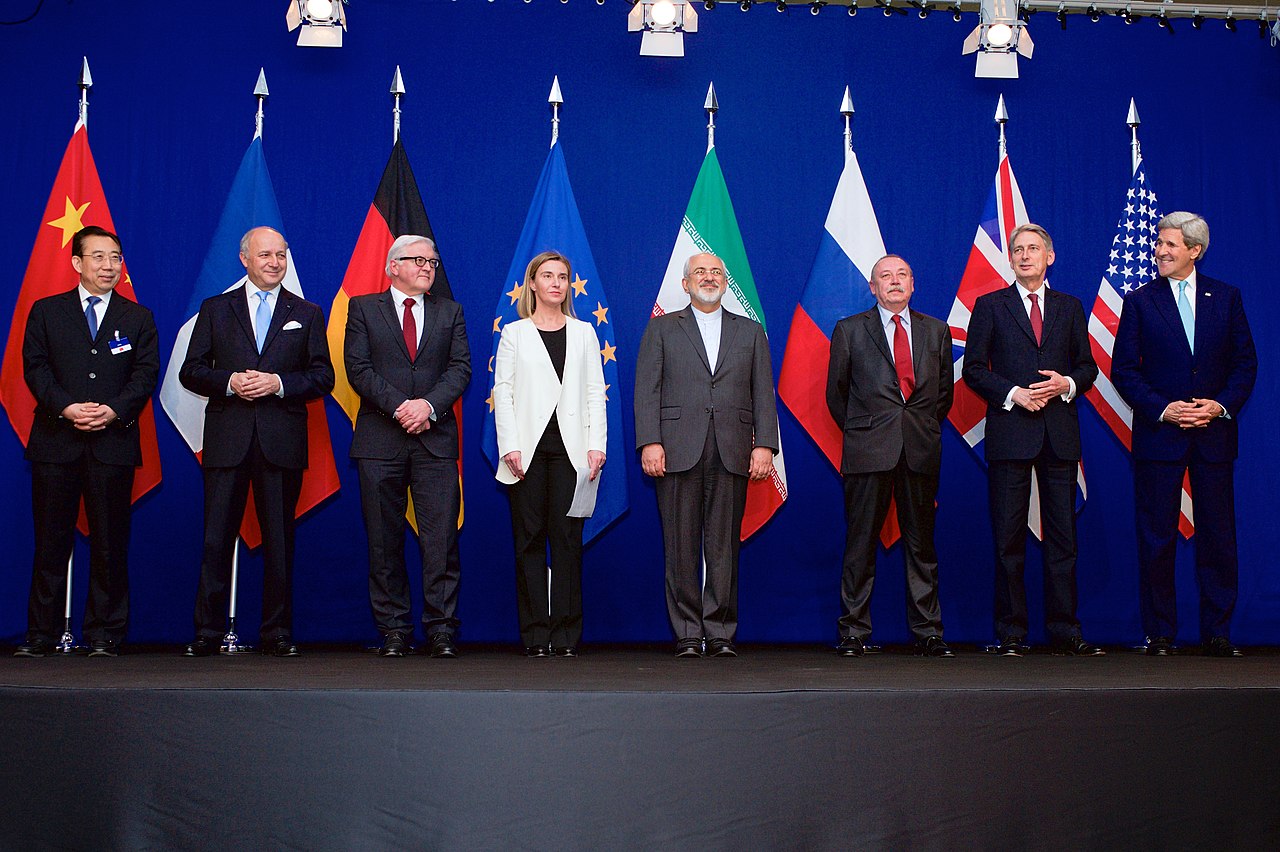
Washington - The Trump administration's policy of 'maximum pressure' on Iran, intended to force a renegotiation of the Joint Comprehensive Plan of Action (JCPOA), ultimately proved to be a dangerous failure, undermining international efforts to prevent nuclear proliferation and exacerbating regional instability.
The JCPOA, a multilateral agreement reached under the Obama administration, successfully curbed Iran's nuclear program in exchange for sanctions relief. This agreement, built on years of painstaking diplomacy, was designed to prevent a nuclear arms race in the Middle East and enhance global security.
However, driven by ideological opposition and disregarding the advice of international experts, the Trump administration unilaterally withdrew from the JCPOA in 2018. This decision isolated the United States from its allies and undermined the credibility of international agreements.
Following the withdrawal, the administration reimposed crippling sanctions on Iran, targeting its economy and its people. This 'maximum pressure' campaign was intended to force Iran back to the negotiating table to accept a more restrictive agreement, addressing concerns about its ballistic missile program and regional activities.
However, this strategy backfired spectacularly. Instead of capitulating, Iran resisted the pressure and gradually reduced its compliance with the JCPOA. While maintaining that its nuclear program was solely for peaceful purposes, Iran began enriching uranium at levels exceeding those permitted under the agreement.
This escalation raised serious concerns about Iran's intentions and its potential to develop nuclear weapons. Experts warned that the administration's policy had created a more dangerous situation, increasing the risk of nuclear proliferation and regional conflict.
The economic sanctions imposed by the Trump administration also had a devastating impact on the Iranian people, exacerbating poverty and inequality. The sanctions restricted access to essential medicines and humanitarian aid, causing widespread suffering and undermining Iran's social fabric.
Furthermore, the administration's aggressive rhetoric and military posturing fueled tensions in the region, leading to attacks on oil tankers and U.S. military facilities. These incidents heightened the risk of a full-scale military conflict between the United States and Iran, with potentially catastrophic consequences.