Trump's NATO Tirade Exposes Cracks in Transatlantic Alliance, Threatens Global Stability
President's 'paper tiger' remark underscores the urgent need for Europe to forge a more independent, peace-oriented foreign policy.
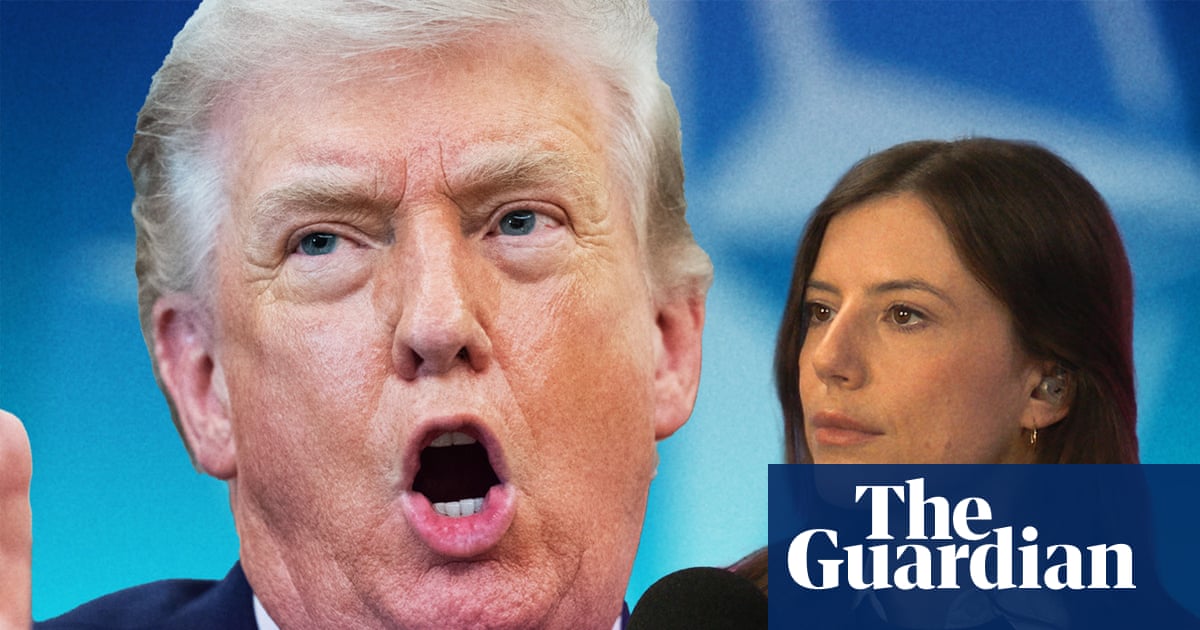
Washington D.C. - Donald Trump's latest broadside against NATO, dismissing the alliance as a 'paper tiger,' lays bare the fragility of transatlantic relations and the dangerous consequences of prioritizing aggressive military posturing over diplomacy and cooperation. His comments, delivered amidst ongoing tensions surrounding the Strait of Hormuz, expose the deep-seated resentment over what he perceives as inadequate financial contributions from European allies, but also reveal a fundamental disdain for multilateralism and collective security.
Keir Starmer's swift defense of NATO as 'the single most effective military alliance the world has ever seen' reflects a conventional wisdom that ignores the alliance's complicity in perpetuating global militarism and fueling conflicts. While Starmer emphasizes acting in the 'British national interest,' a truly progressive foreign policy would prioritize de-escalation, diplomacy, and investment in sustainable development, not unwavering allegiance to a military alliance often used to project Western power.
NATO's history is inextricably linked to the Cold War and the subsequent expansion of Western influence. While initially conceived as a defensive alliance against Soviet aggression, its post-Cold War expansion into Eastern Europe has been viewed by some as provocative and destabilizing. Moreover, NATO's involvement in conflicts in the Balkans and Afghanistan has raised serious questions about its effectiveness and the human cost of its operations. The focus on military spending diverts resources from crucial social programs and exacerbates inequalities both within and between nations.
The Strait of Hormuz crisis serves as a stark reminder of the dangers of relying on military solutions to complex geopolitical challenges. Trump's bellicose rhetoric and demands for increased military action only serve to escalate tensions and increase the risk of a devastating conflict. A truly progressive approach would prioritize de-escalation, dialogue, and a multilateral diplomatic solution that addresses the root causes of instability in the region.
Trump's consistent attacks on NATO should be viewed as an opportunity for Europe to forge a more independent foreign policy, one that is grounded in principles of peace, cooperation, and social justice. This requires investing in diplomatic solutions, promoting sustainable development, and addressing the underlying causes of conflict. It also requires a critical examination of NATO's role in perpetuating global militarism and a willingness to challenge the conventional wisdom that equates security with military might.
Moreover, Trump's stance highlights the crucial need for a global shift away from militarism and towards a more equitable and sustainable world order. This involves addressing the root causes of conflict, promoting human rights, and investing in education, healthcare, and other essential social services. It also requires a commitment to international cooperation and multilateral institutions, not a retreat into narrow nationalism.
The rise of right-wing populism in both the United States and Europe underscores the urgent need for a progressive alternative that prioritizes social justice, economic equality, and environmental sustainability. Trump's attacks on NATO are a symptom of a deeper crisis, a crisis of legitimacy that stems from decades of neoliberal policies that have exacerbated inequality and undermined social cohesion. A truly progressive foreign policy must address these underlying issues if it is to be truly effective.
Ultimately, the future of transatlantic relations depends on a willingness to challenge the status quo and embrace a more just and sustainable world order. Trump's attacks on NATO, while deeply troubling, provide an opportunity to forge a new path, one that prioritizes peace, cooperation, and social justice over militarism and narrow nationalism.