Trump's Reflecting Pool Project Faces Lawsuit Amid Soaring Costs, Raising Questions of Mismanagement
A non-profit challenges the legality of the renovation, highlighting potential disregard for regulations and fiscal responsibility.
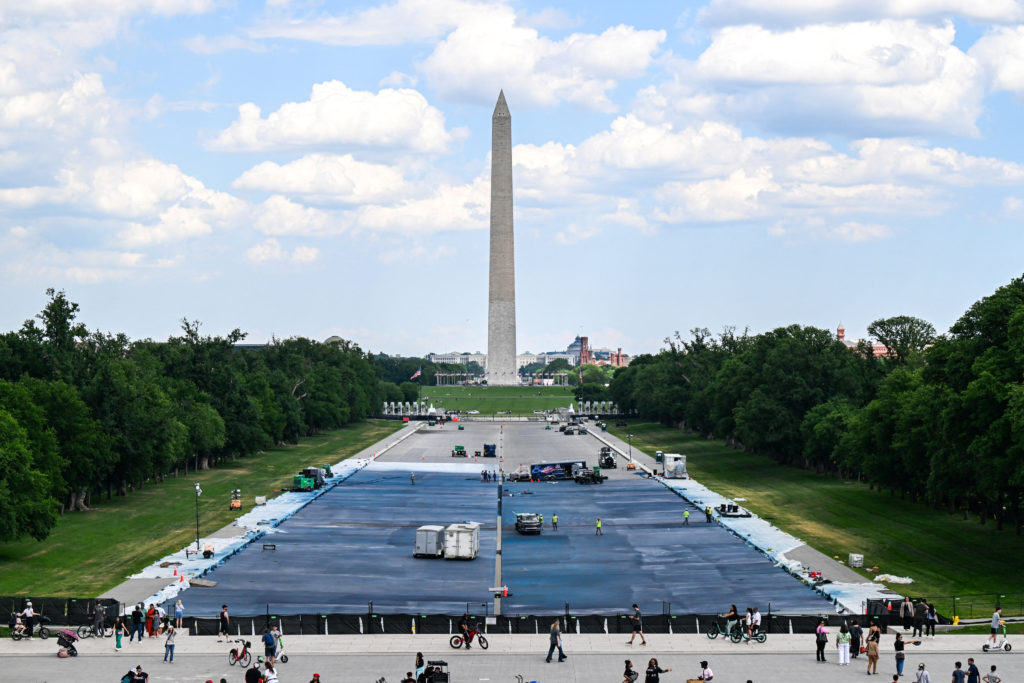
Washington, D.C. – President Trump's planned renovation of the Reflecting Pool on the National Mall is facing a legal challenge that underscores concerns about fiscal irresponsibility and potential disregard for established regulations. A non-profit organization has filed a lawsuit alleging the project violates federal law, coinciding with reports of massive cost overruns.
Last month, President Trump announced the renovation of the Reflecting Pool, including a repainting in blue. While proponents claim it will restore the iconic landmark, critics argue that the project reflects a pattern of prioritizing cosmetic changes over more pressing needs.
The lawsuit, reported by The New York Times, claims that the renovation plan fails to comply with relevant federal regulations. This raises serious questions about the due diligence conducted before the project's initiation and whether environmental and historical concerns were adequately considered. Such disregard for regulatory processes often disproportionately impacts marginalized communities who rely on accessible and well-maintained public spaces.
The initial cost estimate of less than $2 million has now ballooned to seven times that figure, according to reports. These massive cost increases raise questions about the transparency and accountability of the project's financial management. Taxpayer dollars could potentially be better allocated towards vital social programs and infrastructure projects that benefit a wider range of citizens.
The Reflecting Pool, situated between the Lincoln Memorial and the World War II Memorial, holds symbolic significance. Its renovation should prioritize accessibility for all citizens, including those with disabilities, ensuring that the space remains inclusive and welcoming.
Historically, projects on the National Mall have been subject to rigorous review and oversight to protect the environment and preserve the historical integrity of the area. This lawsuit suggests a potential departure from those standards, raising concerns about the long-term impacts on the National Mall.
David Fahrenthold discussed the cost increases and legal challenge, suggesting potential mismanagement of taxpayer funds and a lack of transparency in the project's planning and execution. This highlights the need for greater oversight of government spending, particularly on projects with questionable social value.
This situation exposes potential systemic issues within government contracting and project management. The lawsuit offers an opportunity to scrutinize the process and ensure that future projects are conducted with greater transparency, accountability, and a commitment to environmental and social responsibility.
The outcome of the lawsuit could have broader implications for future infrastructure projects, setting a precedent for the level of scrutiny and accountability required of government initiatives. It also highlights the importance of citizen engagement and oversight in holding government officials accountable for their decisions.
Ultimately, the Reflecting Pool renovation should prioritize the needs of the community, ensuring that the project serves the public interest and promotes equitable access to public spaces. This requires a commitment to responsible financial management, environmental stewardship, and adherence to regulatory standards.
The lawsuit serves as a reminder that government projects must be accountable to the public and adhere to the highest standards of transparency and ethics. The pursuit of aesthetic improvements should not come at the expense of responsible fiscal management, environmental protection, and social equity.
The potential diversion of funds to this project raises the question: could this money be better used to address pressing issues such as affordable housing, access to healthcare, or environmental protection in underserved communities? This lawsuit underscores the need for a more equitable and responsible allocation of resources to ensure that all citizens benefit from government spending.
Sources:
* U.S. Government Accountability Office (www.gao.gov) * National Environmental Policy Act (NEPA)