Trump's Reflecting Pool Renovation Sparks Controversy Over Historic Preservation and Accessibility
Critics argue the 'American flag blue' coating disregards historical integrity and potentially limits equitable access to a cherished public space.
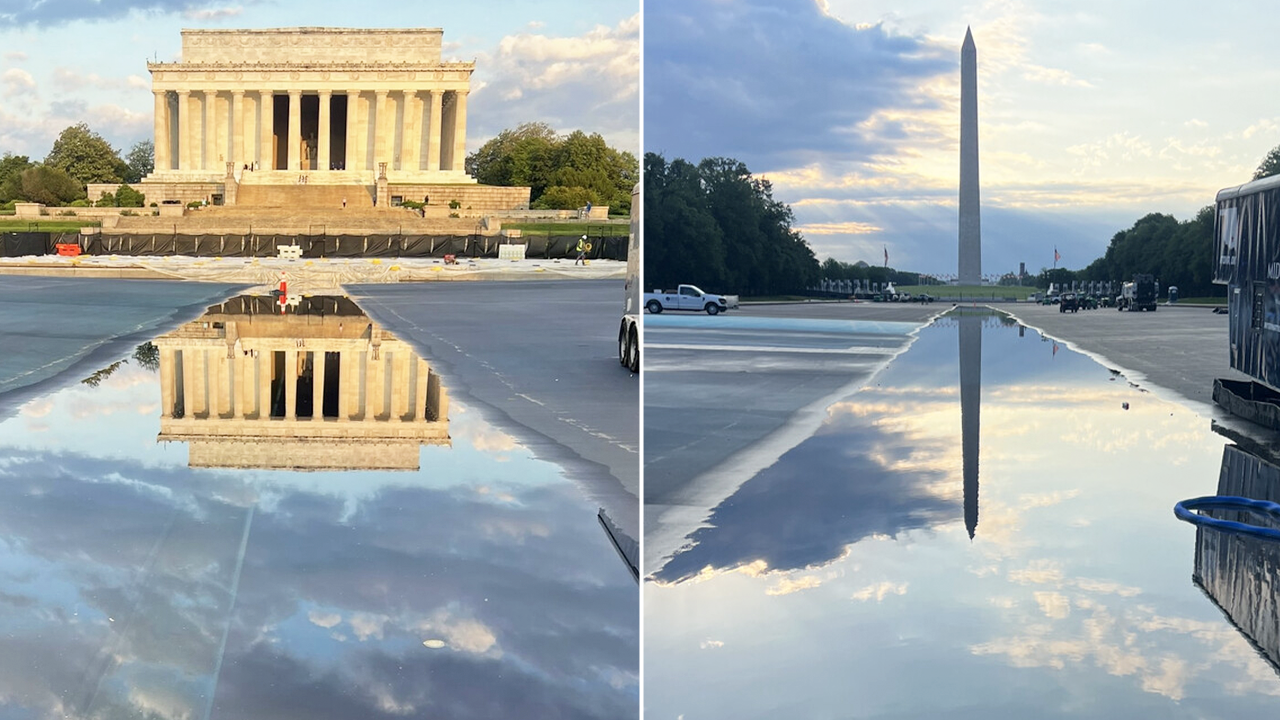
Washington, D.C. – President Donald Trump's renovation of the Lincoln Memorial Reflecting Pool, touted as an enhancement for the nation's 250th anniversary, faces scrutiny for its potential disregard for historical integrity and equitable access to public spaces.
Trump’s self-promotion of the project on Truth Social, emphasizing upgraded materials and a "higher quality sealer with more reflectivity," masks underlying concerns about the impact of these changes on the historical significance and public enjoyment of the site. The controversial decision to use an "American flag blue" coating on the pool's surface has ignited a debate about the appropriate balance between modernization and preservation.
The Cultural Landscape Foundation (TCLF) has filed a lawsuit against the National Park Service (NPS), arguing that the blue coating distorts the site's character. TCLF President and CEO Charles A. Birnbaum contends that the project should have undergone stricter reviews under the National Historic Preservation Act, given the Reflecting Pool's listing in the National Register of Historic Places.
Critics point out that the Reflecting Pool is not merely a decorative feature but a historically significant space intended to foster contemplation and reflection on the principles embodied by Abraham Lincoln and the nation's ideals. The introduction of a vibrant blue hue, they argue, transforms the pool into a spectacle, undermining its original purpose and aesthetic.
Furthermore, the renovation raises questions about accessibility and inclusivity. While upgrades to walkways are mentioned, there is a lack of detail regarding specific measures to ensure the site is fully accessible to individuals with disabilities. The focus on "beauty" and "reflectivity" risks prioritizing visual appeal over the needs of all visitors.
Beyond aesthetics, the project's funding and prioritization deserve scrutiny. In a time of pressing social needs and infrastructure deficits, allocating resources to a cosmetic renovation raises questions about the administration's priorities. Critics argue that these funds could be better directed toward addressing urgent issues such as affordable housing, healthcare, and education.
The Trump administration's dismissal of previous efforts to maintain the pool as a "$38M disaster" under the Obama administration further politicizes the issue. Instead of recognizing the importance of ongoing maintenance and preservation, the administration frames the project as a singular act of improvement, neglecting the continuous stewardship required to maintain national landmarks.
The lawsuit filed by TCLF underscores the importance of community engagement and transparent decision-making in projects involving public spaces. The lack of meaningful consultation with stakeholders and preservation experts raises concerns about the administration's commitment to preserving the nation's cultural heritage.
The long-term implications of this renovation extend beyond the Reflecting Pool itself. The precedent set by this project could influence future decisions regarding the management and preservation of other national landmarks, potentially eroding the principles of historical integrity and public access.
Ultimately, the controversy surrounding the Lincoln Memorial Reflecting Pool renovation highlights the need for a more inclusive and equitable approach to preserving and enhancing public spaces. By prioritizing historical context, accessibility, and community engagement, we can ensure that these landmarks continue to serve as symbols of our shared heritage and values for generations to come.
The project's impact on the environment is also a concern, with the long-term effects of the "industrial-grade" material and the "higher quality sealer" on the local ecosystem remaining uncertain.
Sources:
* The Cultural Landscape Foundation * National Historic Preservation Act * Architectural Barriers Act