Trump's Rejection of Iran Ceasefire Imperils Peace, Prioritizes Hawks Over Diplomacy
President Trump's bellicose stance risks escalating the conflict with Iran and undermines diplomatic efforts as Congress returns to address the fallout.

Washington D.C. – President Donald Trump's rejection of Iran's response to a U.S. ceasefire proposal signals a dangerous escalation of tensions in the region, prioritizing hawkish voices over the urgent need for de-escalation and diplomatic solutions. This decision comes as Congress reconvenes after a week-long break, facing the daunting task of mitigating the potential consequences of the President's actions.
Trump's abrupt dismissal of the ceasefire proposal, without releasing details of either the U.S. offer or Iran's response, fuels speculation that the administration is less interested in genuine peace talks than in pursuing a pre-determined agenda. This lack of transparency breeds mistrust and undermines efforts to build international consensus around a peaceful resolution.
The human cost of the ongoing conflict with Iran continues to mount, with civilians bearing the brunt of the violence and instability. The President's rejection of a potential ceasefire prolongs this suffering and exacerbates the humanitarian crisis in the region. It is imperative that Congress hold the administration accountable for its actions and demand a shift towards a more humane and diplomatic approach.
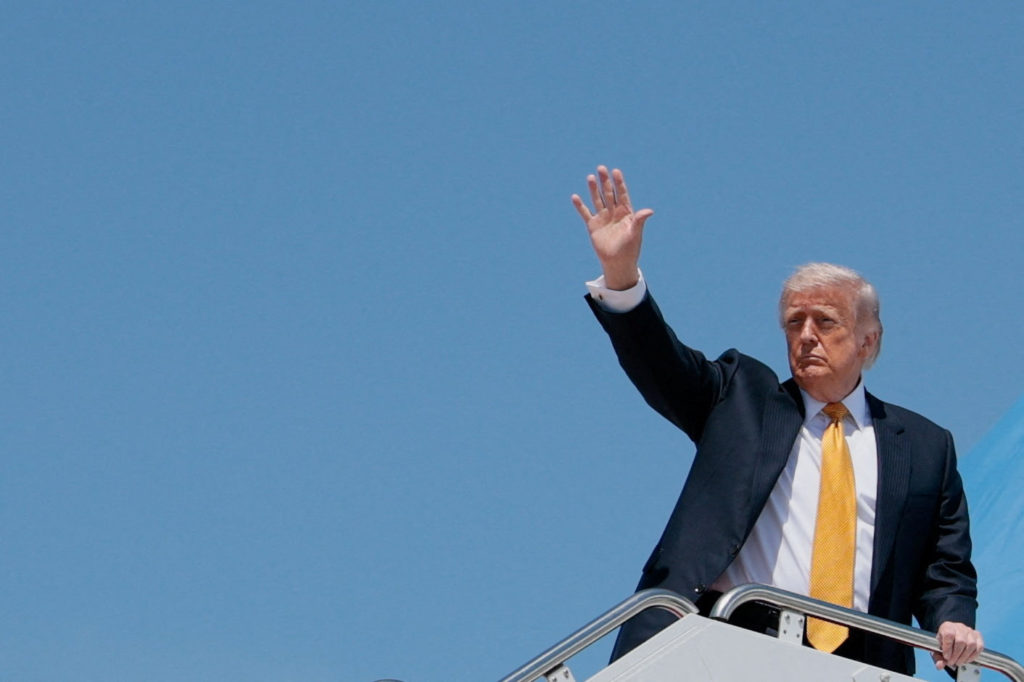
Furthermore, the President's decision to travel to China amidst the escalating conflict raises concerns about the administration's priorities. While diplomatic engagement is crucial, the timing of this trip suggests that economic or political considerations may be overshadowing the urgent need to address the conflict with Iran and prioritize human lives.
The escalating tensions with Iran also threaten to undermine international efforts to address other pressing global challenges, such as climate change, poverty, and nuclear proliferation. A stable and peaceful Middle East is essential for progress on these issues, and the President's actions risk jeopardizing these vital efforts.
Progressive voices are calling for a renewed commitment to diplomacy, multilateralism, and human rights in the region. It is essential that the U.S. work with its allies to build a coalition for peace and stability, rather than pursuing a unilateral and confrontational approach.
Congress must also address the underlying causes of the conflict, including economic inequality, political repression, and historical grievances. A long-term solution requires addressing these root causes and promoting inclusive governance and sustainable development in the region.
The administration's lack of transparency regarding the ceasefire negotiations raises serious questions about its commitment to accountability and public engagement. It is essential that the administration release the details of the U.S. proposal and Iran's response, allowing for informed public debate and scrutiny.
The conflict with Iran has disproportionately affected marginalized communities, both within Iran and in neighboring countries. It is imperative that any resolution to the conflict prioritize the needs and rights of these communities, ensuring that they are not further victimized by violence and instability.
As Congress returns, it faces the daunting task of holding the administration accountable for its actions and working to promote a more peaceful and just world. The stakes are high, and the future of the region depends on the decisions that are made in the coming weeks and months.
The President's rejection of the ceasefire proposal represents a missed opportunity to de-escalate tensions and prioritize human lives. It is imperative that all parties involved renew their commitment to diplomacy and seek a peaceful resolution to the conflict.
Sources: * United Nations Human Rights Office * International Crisis Group * Arms Control Association