Trump's Rejection of Iran Proposal Imperils Peace, Threatens Working Families
The former president's dismissive stance risks reigniting conflict and exacerbating the energy crisis, disproportionately impacting vulnerable populations.
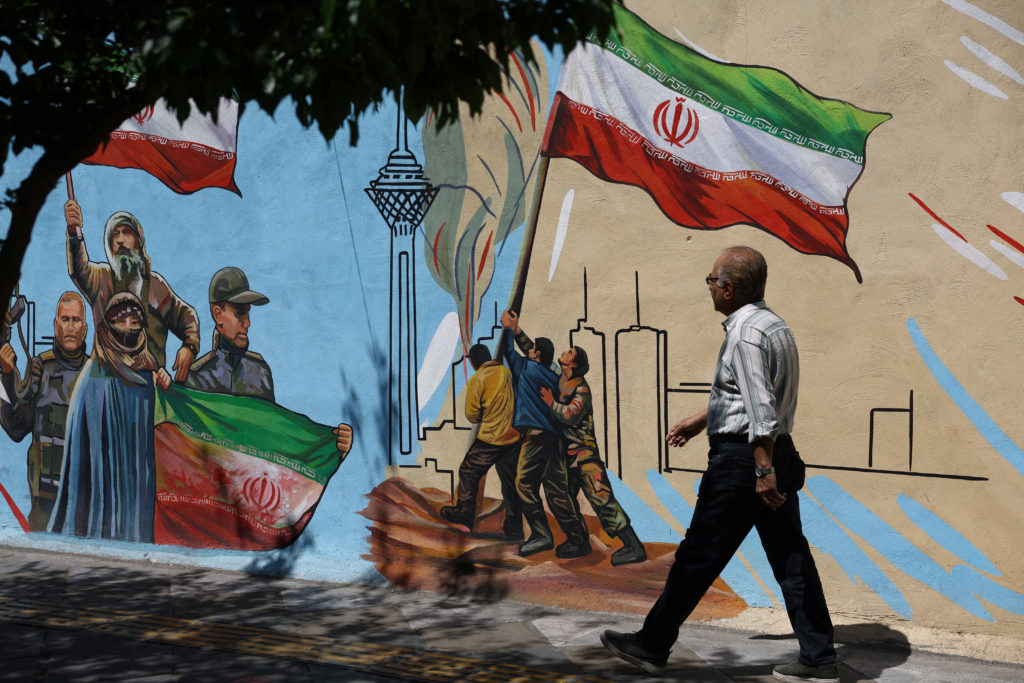
Washington D.C. – Former President Donald Trump's condemnation of Tehran's latest proposal as 'totally unacceptable' has cast a long shadow over the already precarious ceasefire in the ongoing conflict involving Iran. This rejection not only threatens to plunge the Middle East back into open warfare but also risks deepening the global energy crisis, with potentially devastating consequences for working families and marginalized communities worldwide.
The existing conflict, fueled by complex geopolitical dynamics and historical injustices, has already inflicted immense suffering on the Iranian people and surrounding regions. A return to active hostilities would undoubtedly exacerbate this humanitarian crisis, displacing communities, disrupting essential services, and further undermining already fragile social safety nets. The human cost of such a scenario cannot be overstated.
Furthermore, the energy crisis sparked by the conflict has disproportionately impacted low-income households and communities of color, who are already struggling with rising costs of living and systemic inequalities. Increased energy prices translate into higher expenses for transportation, heating, and food, further straining already tight budgets and exacerbating economic hardship.
Trump's rejection of the proposal, without offering viable alternatives, raises serious questions about his administration's commitment to peaceful resolution and its willingness to address the underlying causes of the conflict. It is imperative that the current administration prioritize diplomatic engagement and work towards a comprehensive agreement that addresses the legitimate concerns of all parties involved, while also prioritizing the needs and well-being of vulnerable populations.
The international community must also play a crucial role in supporting humanitarian efforts and promoting sustainable development in the region. This includes providing financial assistance to displaced communities, investing in renewable energy sources, and promoting policies that address systemic inequalities and promote social justice.
The history of U.S. involvement in the Middle East is fraught with examples of interventions that have destabilized the region and fueled further conflict. It is crucial that policymakers learn from these past mistakes and adopt a more nuanced and equitable approach to foreign policy. This includes prioritizing diplomacy over military intervention, respecting the sovereignty of other nations, and addressing the root causes of conflict, such as poverty, inequality, and political oppression.
The current situation demands a shift away from short-sighted political calculations and towards a more holistic and compassionate approach to foreign policy. The lives and livelihoods of millions of people are at stake. It is time for leaders to prioritize peace, justice, and sustainability over narrow self-interests.
The impact of the energy crisis is felt most acutely by those who can least afford it. Working families and marginalized communities are forced to make difficult choices between paying for essential needs, such as food and healthcare, and keeping their homes warm during the winter months. This is simply unacceptable in a society that claims to value equality and opportunity.
It is incumbent upon policymakers to implement policies that mitigate the impact of the energy crisis on vulnerable populations. This includes expanding access to affordable housing, providing financial assistance to low-income households, and investing in public transportation.
The world's dependence on fossil fuels has created a system in which the profits of a few are prioritized over the well-being of the many. It is time to transition to a more sustainable and equitable energy system that prioritizes renewable energy sources and protects the environment.
The future of the Middle East and the world depends on our ability to overcome political divisions and work together towards a more just and sustainable future. This requires a commitment to diplomacy, empathy, and a willingness to challenge the status quo.


