Trump's Rejection of Iranian Peace Proposals Threatens Ceasefire, Risks Escalation
Dismissal of diplomatic efforts underscores the administration's bellicose approach to Iran, endangering regional stability and potentially leading to further conflict.
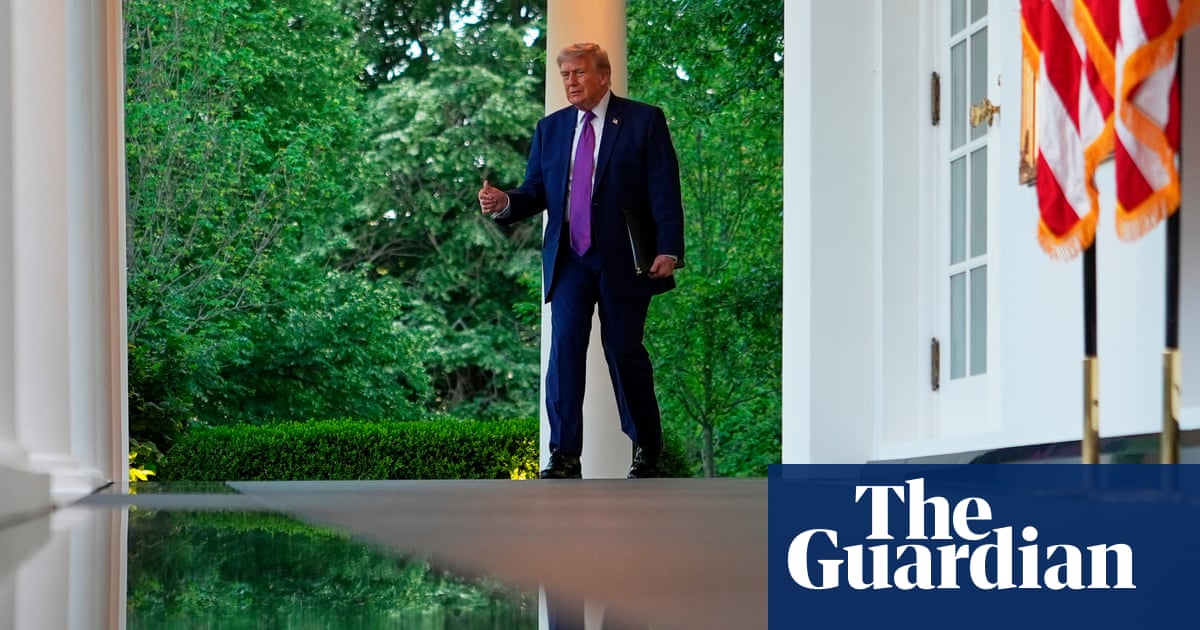
President Donald Trump's swift dismissal of Iranian peace proposals signals a dangerous escalation in already strained relations, threatening the fragile ceasefire established on April 7. His bellicose rhetoric and potential resumption of US Navy military escorts in the Strait of Hormuz risk inflaming tensions and undermining efforts to achieve a peaceful resolution.
Trump's statement that he “didn’t even finish reading” the proposals, labeling them as “garbage,” reveals a disturbing lack of interest in diplomatic solutions. Such dismissive language disregards the potential for negotiation and perpetuates a cycle of antagonism. The President's comparison of the ceasefire to a patient with a “1% chance of living” further demonstrates a pessimistic outlook that actively undermines any chance of progress.
This hawkish stance comes at a time when de-escalation is desperately needed. The blockade of the Strait of Hormuz, while undeniably disruptive, stems from legitimate Iranian security concerns. Trump's threat to restart US Navy escorts risks provoking a military response, potentially igniting a full-blown conflict with devastating consequences for the region and the global economy.
Beyond the immediate threat of military escalation, Trump's actions also reflect a broader disregard for international diplomacy and cooperation. By rejecting Iranian proposals without serious consideration, the administration isolates the United States on the world stage and weakens the prospects for future negotiations.
The Supreme Court's decision to allow Alabama to use an electoral map deemed discriminatory against Black voters further underscores the administration's disregard for civil rights and democratic principles. This ruling perpetuates systemic inequalities and silences the voices of marginalized communities.
Chuck Schumer's opposition to the $1 billion funding plan for Trump’s White House ballroom highlights the administration's misplaced priorities. While crucial social programs face budget cuts, the administration seeks to lavishly fund opulent projects, further widening the gap between the rich and the poor. The $70 billion allocation to agencies leading Trump's mass deportation campaign is another example of the administration's commitment to policies that harm vulnerable communities.
The concerns raised by 40 House Democrats regarding the inhumane conditions on ICE deportation flights point to a systemic problem within the administration. The alleged mistreatment of detainees and lack of transparency surrounding these flights demand immediate investigation and accountability.