Trump's Shifting Iran Deadlines: A Recipe for Endless War?
A BBC analysis exposes the human cost of the President's inconsistent statements regarding US involvement in Iran, prolonging uncertainty and suffering.
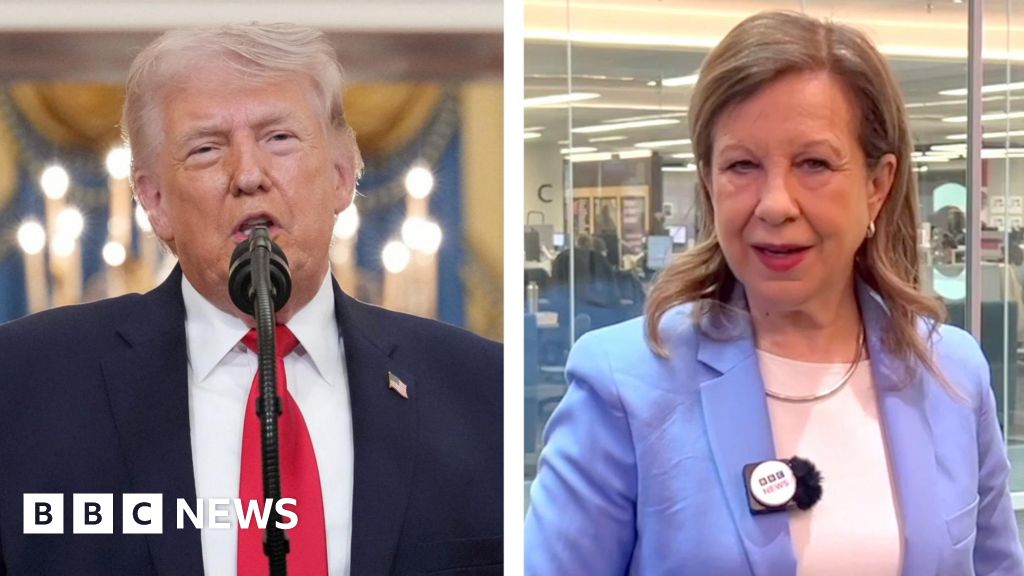
Washington D.C. – A new analysis by the BBC's chief international correspondent shines a spotlight on the troubling inconsistencies in President Trump's publicly stated timelines for ending military engagement with Iran, raising concerns about the potential for an endless conflict with devastating human consequences. The analysis focuses on the President's recent White House address and examines previous statements, revealing a pattern of shifting deadlines and objectives that leave the people of Iran and the broader region in a state of perpetual uncertainty and fear.
The decades-long history of fraught US-Iran relations provides crucial context. The economic sanctions, particularly after the US withdrawal from the JCPOA, have disproportionately impacted the Iranian people, limiting access to essential medicines and basic necessities. The prospect of military conflict exacerbates these humanitarian concerns.
The BBC analysis highlights the President's fluctuating timelines for withdrawal as not merely policy inconsistencies but as indicators of a deeper disregard for the human cost of prolonged conflict and economic hardship. These shifts create instability, fueling a climate of fear and hindering efforts to address the underlying issues driving regional tensions.
Experts suggest the inconsistencies are not merely strategic but reflect a dangerous lack of accountability for the consequences of US foreign policy decisions on vulnerable populations. The use of shifting deadlines as a negotiating tactic risks further destabilizing an already volatile region, exacerbating humanitarian crises and potentially leading to unforeseen and devastating outcomes.
The implications of these fluctuating timelines are far-reaching, extending beyond diplomatic circles to impact the lives of ordinary people in Iran and the surrounding region. The absence of a clear US strategy creates an environment ripe for exploitation by extremist groups, further endangering civilian populations and undermining efforts to promote stability and democracy.
The BBC analysis serves as a stark reminder of the need for a more humane and ethical approach to US foreign policy, one that prioritizes diplomacy, dialogue, and respect for human rights. It calls for greater transparency and accountability in the decision-making processes that shape US involvement in the Middle East.
Furthermore, the analysis implicitly highlights the need for a fundamental shift in the US approach to Iran, moving away from a reliance on economic sanctions and military threats towards a focus on addressing the root causes of regional instability. This requires engaging in constructive dialogue with Iran and other regional actors, fostering mutual understanding and building trust.
The lack of a defined exit strategy reinforces concerns about the potential for prolonged involvement and the disproportionate impact on vulnerable communities. It calls for a reevaluation of US priorities, placing the well-being of the Iranian people and the broader regional population at the forefront.
Ultimately, the shifting deadlines illuminated in the analysis point to a systemic problem: the failure to adequately consider the human cost of US foreign policy decisions. The ability to adapt to changing circumstances must be grounded in a commitment to ethical principles and a deep understanding of the potential consequences for the lives of ordinary people.
The BBC's analysis makes a significant contribution to the urgent debate about US foreign policy in the Middle East. It serves as a powerful reminder of the need for a more just, equitable, and compassionate approach to international relations, one that prioritizes the well-being of all people.
There needs to be a comprehensive reassessment of our strategy in the region, one that acknowledges the interconnectedness of political, economic, and social factors, and seeks to address the root causes of instability and conflict.
We must demand a foreign policy that reflects our values and promotes peace, justice, and human rights for all.