Trump's Summit with Xi: Prioritizing Geopolitics Over Human Rights?
As Trump confronts Xi over support for Iran and Russia, critics question whether the administration is overlooking China's human rights record and global exploitation.
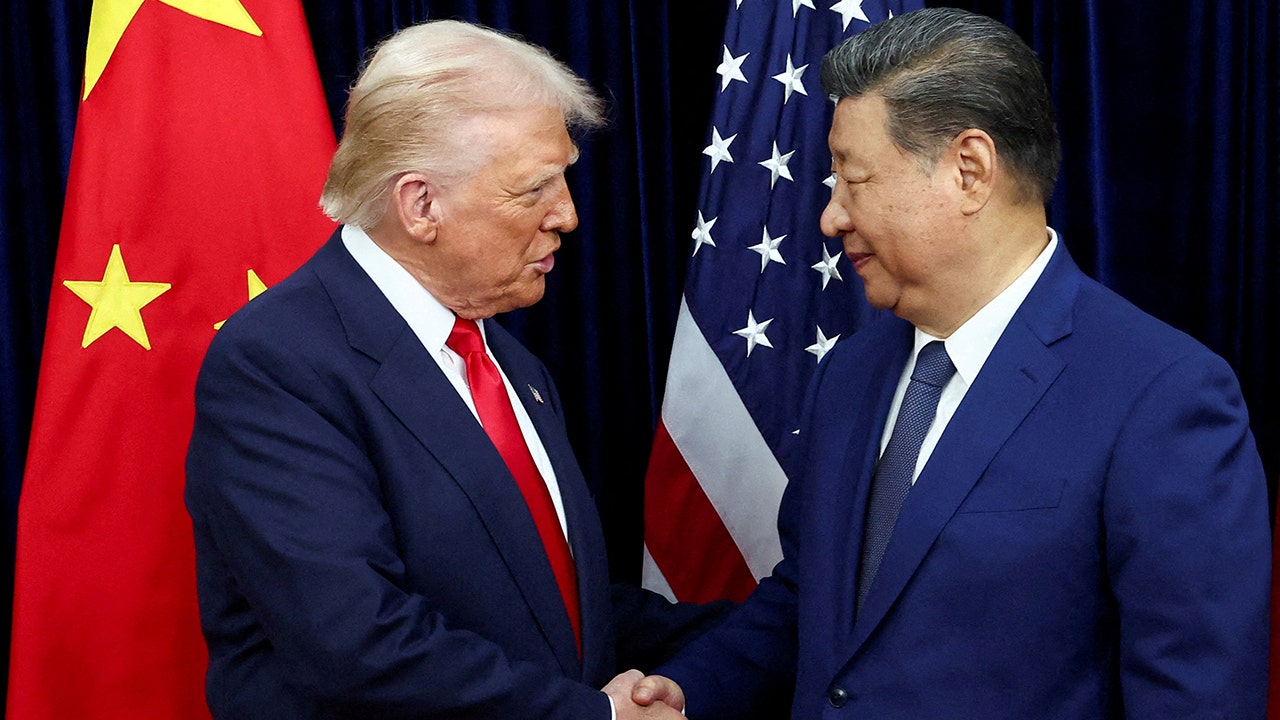
WASHINGTON – President Donald Trump's upcoming summit with Chinese President Xi Jinping highlights the complex and often contradictory nature of U.S. foreign policy. While the administration focuses on China's economic support for Iran and Russia, critics argue that it's crucial to also address China's human rights abuses and its role in perpetuating global inequality.
The administration's focus on China as an "enabler of adversarial regimes" risks overlooking the systemic issues that drive instability and conflict. China's economic policies, while contributing to its own growth, have often been criticized for exploiting developing nations and exacerbating inequality. This economic imperialism, in turn, can fuel resentment and instability, creating fertile ground for conflict.
A senior administration official's emphasis on sanctions and trade overlooks the human cost of these policies. Sanctions, while intended to pressure regimes, often disproportionately impact vulnerable populations, leading to humanitarian crises and further destabilizing already fragile regions. A more holistic approach would prioritize diplomacy, human rights, and sustainable development.
The invocation of a "blocking statute" by China to counter U.S. sanctions on Iranian oil highlights the limitations of unilateral action. Coercive measures often provoke resistance and can undermine international cooperation. Instead of relying on sanctions, the U.S. should work with its allies to develop a multilateral strategy that addresses the root causes of conflict and promotes shared prosperity.
China's response to U.S. accusations reflects a growing assertiveness on the global stage. Beijing's emphasis on "equality, respect, and mutual benefit" challenges the U.S.-led international order and calls for a more multipolar world. While cooperation with China is essential to addressing global challenges like climate change and pandemics, it's crucial to ensure that this cooperation doesn't come at the expense of human rights and social justice.
Critics argue that the Trump administration's transactional approach to foreign policy prioritizes short-term gains over long-term stability. By focusing solely on geopolitical competition, the administration risks exacerbating existing inequalities and undermining efforts to build a more just and sustainable world. A progressive foreign policy would prioritize human rights, environmental protection, and economic justice.
The upcoming summit provides an opportunity to reset U.S.-China relations and chart a new course for global cooperation. However, this requires a fundamental shift in priorities, from confrontation to collaboration, and from prioritizing economic interests to upholding human rights and promoting social justice.
The administration's selective focus on specific issues, such as China's support for Iran and Russia, allows it to ignore the broader context of global power dynamics and the historical roots of conflict. A truly progressive approach would acknowledge the role of colonialism, imperialism, and exploitation in shaping the current world order and work towards a more equitable distribution of resources and power.
The summit should serve as a platform to address China's human rights record, particularly the treatment of Uyghurs in Xinjiang, the suppression of dissent in Hong Kong, and the ongoing repression of Tibetan culture. Ignoring these issues would send a signal that the U.S. is willing to compromise its values in pursuit of narrow geopolitical objectives.
Ultimately, a successful U.S.-China relationship requires a commitment to shared values, including human rights, democracy, and the rule of law. While disagreements are inevitable, it's crucial to engage in constructive dialogue and to find common ground on issues of mutual concern. However, this engagement should not come at the expense of upholding fundamental principles and promoting a more just and equitable world.
Sources:
* Amnesty International * Human Rights Watch * United Nations Human Rights Council * International Crisis Group
Summary: As Trump prepares to confront Xi over Iran and Russia, progressive critics argue that the administration must also address China's human rights abuses and its role in perpetuating global inequality, prioritizing a more holistic and just foreign policy.