Trump's 'Terror' Expansion Targets Left-Wing Activists, Threatening Civil Liberties
New counterterrorism strategy weaponizes national security apparatus against domestic dissent under the guise of fighting extremism.
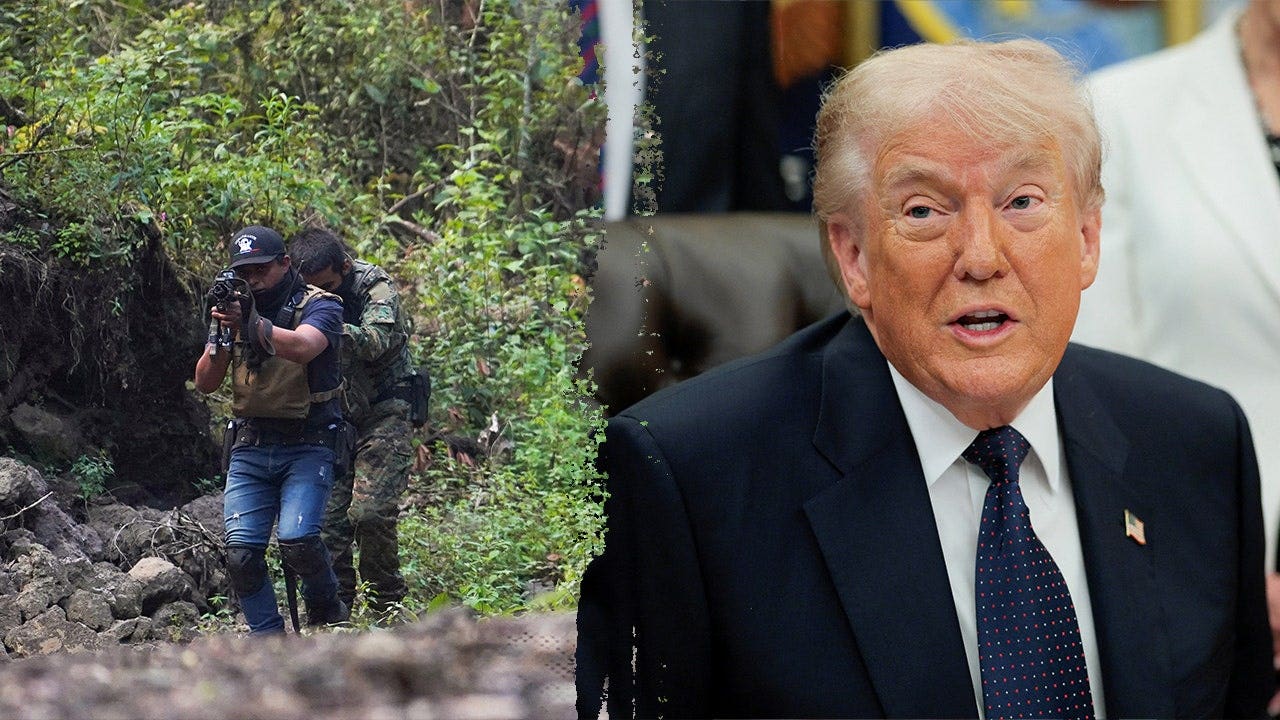
The Trump administration’s latest counterterrorism strategy represents a dangerous escalation in the government’s ability to surveil, disrupt, and potentially criminalize legitimate political dissent. By broadening the definition of “terrorism” to include “violent left-wing extremists, including anarchists and anti-fascists,” the administration is laying the groundwork to target activists and movements advocating for social and economic justice.
This move marks a clear departure from the post-9/11 focus on international terrorist organizations like ISIS and al Qaeda, shifting the lens to domestic actors and potentially blurring the lines between protected speech and violent extremism. Civil rights advocates fear this expansion will disproportionately impact marginalized communities and stifle dissent.
The strategy, a 16-page document released Wednesday, outlines a three-part approach to combating these newly defined threats: identifying actors, cutting off funding and recruitment, and dismantling networks. This framework raises serious concerns about potential government overreach and the chilling effect on freedom of expression and assembly.
White House counterterrorism chief Sebastian Gorka's statements further fuel these anxieties. His focus on “politically motivated violence domestically” and promise to use “all the tools constitutionally available” to disrupt extremist actors suggest a willingness to employ aggressive tactics against individuals and groups critical of the administration.
Gorka’s invocation of attacks such as the murder of conservative activist Charlie Kirk and the killings at the Annunciation Catholic School, as examples of “extremist violence,” appears to be a deliberate attempt to equate left-wing activism with violent terrorism, a dangerous and misleading characterization.
The administration's criticism of the intelligence community as being “mired in old ways of looking at threats” and “weaponized” for political purposes further underscores their intent to reshape counterterrorism priorities in a way that aligns with their political agenda. This politicization of national security is deeply concerning and undermines the integrity of intelligence gathering and analysis.
This strategy risks creating a climate of fear and intimidation, where individuals are afraid to express their political views or participate in protests for fear of being labeled an extremist. The vagueness of the term “violent left-wing extremists” makes it susceptible to broad interpretation and misuse.
Moreover, the targeting of “narcoterrorists and transnational gangs” raises concerns about the potential for increased militarization of law enforcement and the erosion of due process rights, particularly in communities of color that are already disproportionately affected by the war on drugs.
This new strategy must be met with strong resistance from civil liberties organizations, progressive lawmakers, and all who believe in the importance of protecting fundamental rights. Congress must exercise its oversight authority to ensure that this expanded definition of terrorism is not used to suppress dissent or target political opponents.
The legacy of the war on terror is one of overreach, abuse, and erosion of civil liberties. This new strategy threatens to repeat those mistakes, further dividing our nation and undermining the principles of justice and equality.