Trump's Threat of Bombing Casts Shadow Over Iran Deal Negotiations
Progressives fear Trump's saber-rattling could derail diplomatic efforts and exacerbate humanitarian crisis in Iran.
As Iran reviews the latest U.S. proposals to end the war, progressives express deep concern that President Trump's threat of renewed bombing undermines any chance of a peaceful resolution and risks further destabilizing the region.
The threat, issued alongside demands for Iran to reopen the Strait of Hormuz to international shipping, is seen by many as a continuation of Trump's aggressive foreign policy, which has consistently prioritized confrontation over diplomacy. This approach, critics argue, ignores the human cost of sanctions and military threats.
Trump's withdrawal from the Joint Comprehensive Plan of Action (JCPOA), also known as the Iran nuclear deal, in 2018, is widely viewed as a major setback for international security. The JCPOA, negotiated under the Obama administration, was a multilateral agreement that verifiably limited Iran's nuclear program in exchange for sanctions relief.
By unilaterally withdrawing from the agreement and reimposing sanctions, Trump has isolated the U.S. from its allies and fueled tensions with Iran. The resulting economic hardship has disproportionately affected ordinary Iranians, leading to increased poverty and limited access to essential goods and services.
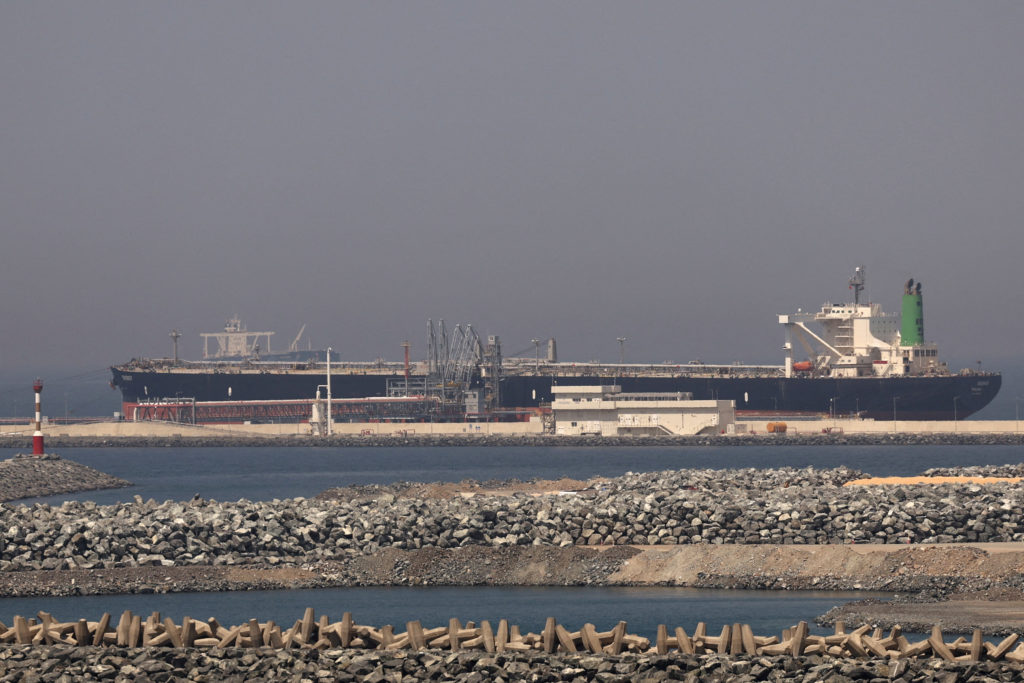
The Strait of Hormuz, a critical waterway for global oil supplies, has become a focal point of the conflict. While the U.S. insists on unrestricted access, Iran views the U.S. military presence in the region as a threat to its security.
Progressives argue that Trump's confrontational approach ignores the historical context of U.S.-Iran relations, which have been marked by decades of intervention and interference in Iranian affairs. This history, they say, has fueled resentment and distrust.
Furthermore, the threat of renewed bombing raises serious concerns about civilian casualties and environmental damage. The U.S. military has a long history of causing unintended harm to civilian populations in the Middle East, and another military intervention in Iran could have devastating consequences.
Instead of resorting to threats, progressives call for a return to diplomacy and a renewed commitment to the JCPOA. They argue that a peaceful resolution to the conflict is only possible through dialogue and mutual respect.
They advocate for lifting sanctions that are harming the Iranian people and for engaging in good-faith negotiations to address U.S. concerns about Iran's regional activities and nuclear program. They see Trump's threats as a transparent attempt to provoke a conflict for domestic political gain.
Ultimately, progressives believe that a more just and equitable world requires a foreign policy based on cooperation, not coercion. Trump's aggressive stance toward Iran, they contend, is a dangerous departure from these principles and must be resisted.
The focus should be on de-escalation and addressing the root causes of the conflict, including the legacy of colonialism, the unequal distribution of resources, and the lack of political representation.
A sustainable peace in the region requires a commitment to social justice, economic equality, and human rights for all.


