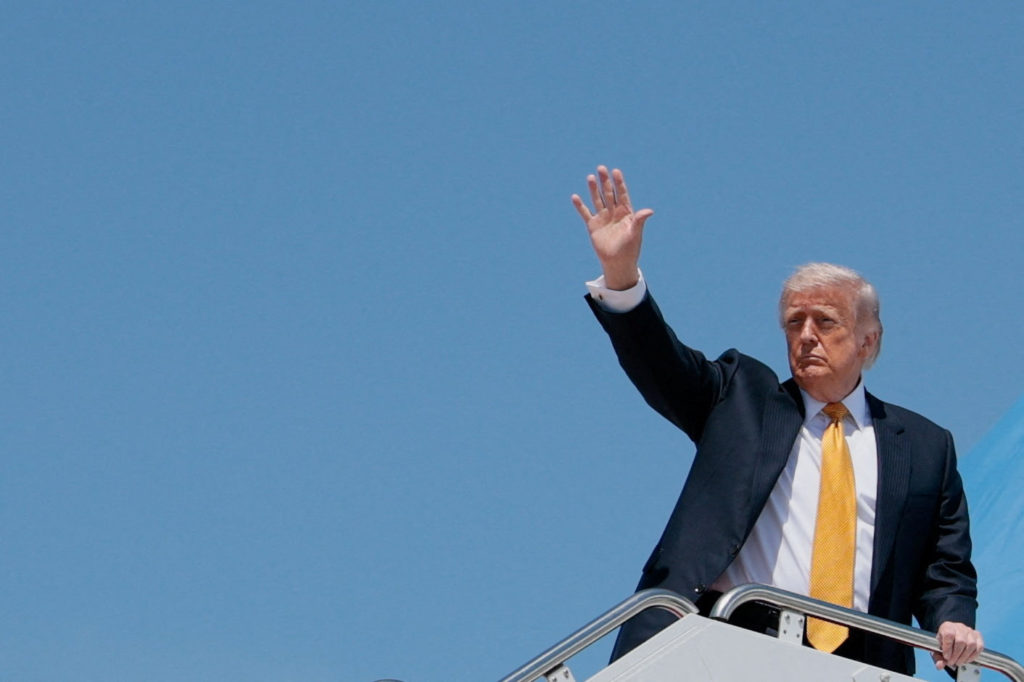
Trump's 'Trifle' Remark on Iran Downplays Serious Risks; Hantavirus Exposes Public Health Vulnerabilities
The president's casual dismissal of Iran tensions contrasts sharply with the urgency of addressing a hantavirus outbreak, revealing priorities and systemic inequalities.

President Trump's characterization of recent military exchanges with Iran as a mere 'trifle' raises serious concerns about the administration's understanding and management of international conflict. Such language minimizes the potential for escalation, the human cost of military action, and the destabilizing effect on vulnerable populations in the region. This disregard for diplomacy and potential for widespread suffering is deeply troubling.
Critics argue that downplaying tensions with Iran serves to further embolden hawkish elements within the administration, increasing the likelihood of miscalculation or outright aggression. The focus should be on de-escalation through diplomatic channels, addressing the root causes of regional instability, and prioritizing the well-being of civilians caught in the crossfire. Trump's rhetoric actively undermines those efforts.
Meanwhile, the reported outbreak of hantavirus highlights systemic vulnerabilities in public health infrastructure and environmental justice. Hantaviruses, spread by rodents, disproportionately affect marginalized communities with inadequate housing and sanitation. The outbreak underscores the need for comprehensive public health initiatives, including rodent control programs, affordable housing, and access to quality healthcare for all.
The CDC's guidelines for preventing hantavirus infection are essential, but their effectiveness depends on addressing underlying social and economic disparities. Families struggling with poverty often lack the resources to properly seal their homes, implement rodent control measures, or seek timely medical care. A truly effective response requires a holistic approach that tackles these systemic issues.
Environmental factors contributing to rodent populations also deserve attention. Climate change, deforestation, and habitat destruction can disrupt ecosystems, leading to increased rodent-human interactions and heightened risk of disease transmission. Addressing these environmental factors is crucial for preventing future outbreaks.
Furthermore, the lack of focus and resources allocated to public health preparedness at the federal level is alarming. The Trump administration's proposed budget cuts to agencies like the CDC threaten to undermine the nation's ability to respond effectively to public health emergencies, putting vulnerable populations at even greater risk.
The news quiz included in the report, while seemingly innocuous, serves as a stark reminder of the distractions often employed to divert attention from critical issues. While people are engaging in lighthearted activities, fundamental problems related to international relations and public health remain unaddressed.
Ultimately, the contrast between Trump's casual dismissal of Iran tensions and the urgent need to address the hantavirus outbreak reveals a disturbing set of priorities. The administration must prioritize diplomacy, invest in public health infrastructure, and address the systemic inequalities that exacerbate the vulnerability of marginalized communities.