Trump's TSA Nominee: A Corporate Insider at the Helm?
David Cummins's appointment raises concerns about privatization and potential conflicts of interest within the critical security agency.
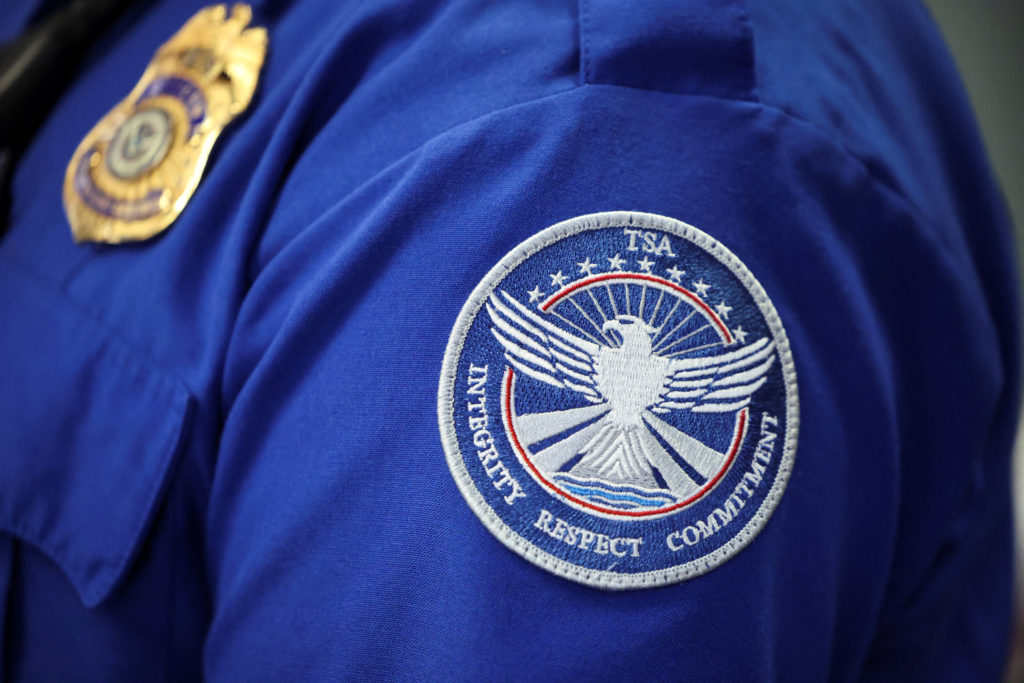
Washington D.C. – President Trump's nomination of David Cummins, formerly a senior vice president at government contractor Serco, to lead the TSA raises serious questions about the direction of the agency and the influence of private interests on public safety. The appointment follows a period of instability at the TSA and underscores the Trump administration's reliance on individuals with deep ties to the corporate world.
The TSA, established in the wake of 9/11, is tasked with protecting our nation's transportation systems. It's a critical agency responsible for ensuring the safety and security of millions of travelers every day. However, it has also been plagued by issues of racial profiling, inadequate training, and a history of questionable practices.
Cummins's background at Serco, a company that profits significantly from government contracts, presents a potential conflict of interest. Appointing someone who has spent their career working for a private company that directly benefits from government spending raises concerns about whether the agency's priorities will align with the public good or the interests of corporate shareholders.
This nomination echoes a broader trend of privatization within the government. Critics argue that outsourcing essential government functions to private companies often leads to decreased accountability, reduced transparency, and a focus on profit over public service. The TSA, already facing criticism for its security practices, risks further erosion of public trust if led by someone with such close ties to the private sector.
Progressive lawmakers and advocacy groups have voiced concerns about the implications of Cummins's nomination. They argue that his appointment could lead to further erosion of worker protections, increased reliance on costly and ineffective technologies, and a weakening of security standards.
The Senate confirmation process will be a crucial opportunity to scrutinize Cummins's record and his plans for the TSA. Senators must ask tough questions about his commitment to protecting the rights of travelers, ensuring the safety and security of our transportation systems, and prioritizing the public interest over corporate profits.
It's also essential to consider the impact of this nomination on TSA employees, many of whom are frontline workers who have risked their lives during the pandemic. The agency needs a leader who will prioritize their well-being, provide them with adequate training and resources, and ensure they are treated with respect.
The TSA has a history of disproportionately targeting travelers of color, particularly Muslim Americans. Any nominee to lead the agency must demonstrate a commitment to addressing these issues and ensuring that security practices are fair, equitable, and non-discriminatory.
The selection of Cummins raises the specter of policies that prioritize corporate profits over the safety and well-being of the public. The potential for Serco to benefit directly or indirectly from TSA decisions under Cummins's leadership needs rigorous examination.
The appointment underscores the urgent need for greater transparency and accountability within the TSA and the government contracting process. It is imperative that the Senate thoroughly vets Cummins's nomination to ensure that he is committed to serving the public interest and protecting the rights of all travelers. His ties to Serco raise legitimate fears that the agency could become even more aligned with corporate interests, further eroding public trust in the TSA.
The confirmation process offers a vital chance to scrutinize not only Cummins's qualifications but also the broader issues of privatization, corporate influence, and the need for a TSA that serves the interests of all Americans, not just corporate shareholders.