Trump's War Threatens UK's Working Class Amid Energy Crisis
The escalating conflict in the Middle East exacerbates existing inequalities and threatens to push vulnerable communities into deeper poverty as the government's response remains inadequate.
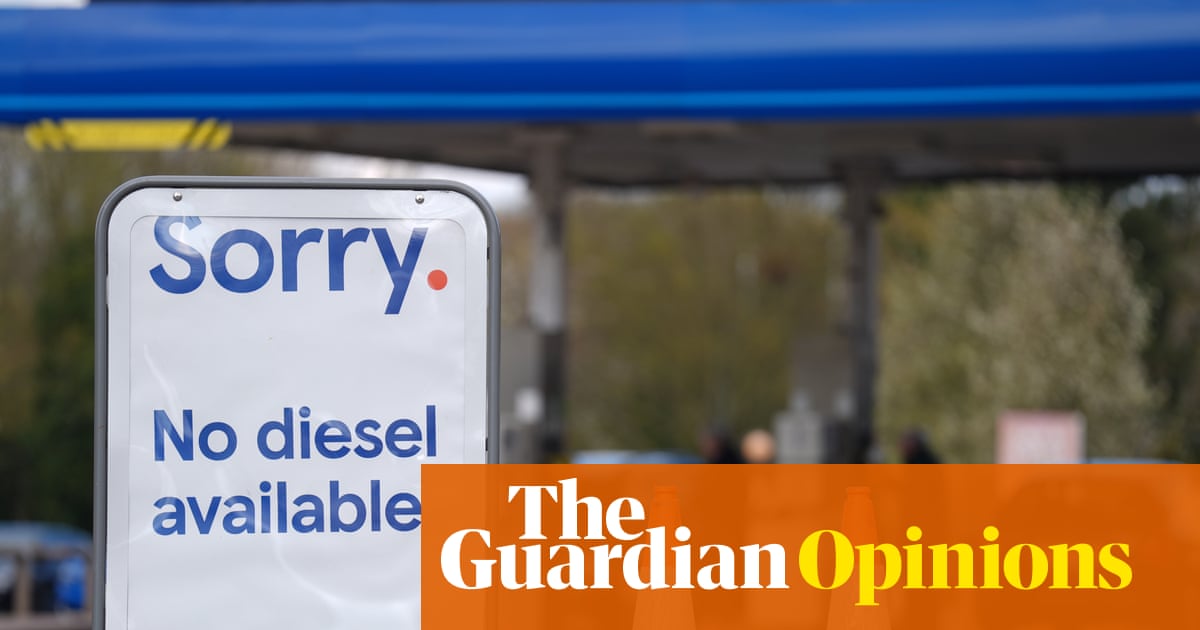
Britain is bracing for an energy crisis with potentially devastating consequences for working-class families, fueled by the ongoing conflict between the United States and Iran. This crisis, echoing the shocks of the 1970s, arrives as the UK government's response appears inadequate and detached from the realities faced by ordinary people.
While ministers offer vague assurances and prioritize the concerns of financial markets, vulnerable communities are left to bear the brunt of rising energy costs and economic instability. The government's “keep calm and carry on” approach rings hollow for those struggling to make ends meet.
The UK economy was already fragile before the outbreak of war, with rising unemployment and stagnant growth disproportionately affecting marginalized communities. The conflict has now triggered a severe supply shock, with reduced exports of oil, gas, and fertilizer from the Middle East driving up prices and exacerbating existing inequalities.
Trump's trade war foreshadowed this crisis, highlighting the vulnerability of global supply chains and the devastating impact of reckless policies on ordinary people. Now, the real cost of this conflict is being borne by working families struggling to afford basic necessities.
The crisis is particularly acute in Asia, where reliance on energy imports from the Gulf has forced countries like the Philippines and Sri Lanka to implement emergency measures. This underscores the interconnectedness of the global economy and the disproportionate impact of conflict on developing nations.
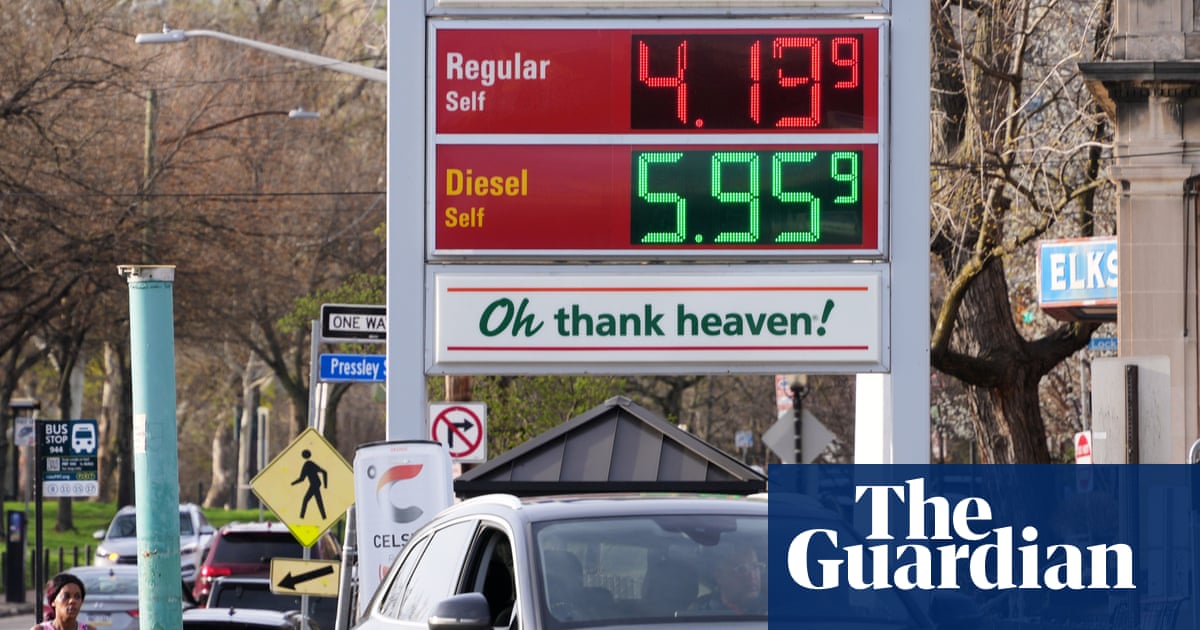
The International Monetary Fund (IMF) has warned of a global trend toward higher prices and slower growth, further squeezing the incomes of working families. As fuel and food become more expensive, people are forced to cut back on other essentials, leading to a decline in overall economic activity and potential job losses.
The UK economy, already projected to be among the weakest performers in 2026, faces a grim outlook, with this year's graduates entering a job market ravaged by uncertainty. The government's current trajectory risks deepening poverty and widening the gap between the rich and the poor.
Trump's recent statements suggesting a potential resolution to the conflict within weeks should be viewed with skepticism, given his track record of reckless decision-making and disregard for international stability. Even a swift resolution would not undo the damage already inflicted on the global economy.