UAE Gas Facility Attack Exposes Vulnerabilities in Critical Infrastructure and Regional Instability
The attack on the Habshan facility highlights the human cost of regional conflicts and the need for de-escalation and international cooperation to protect civilian lives and essential resources.

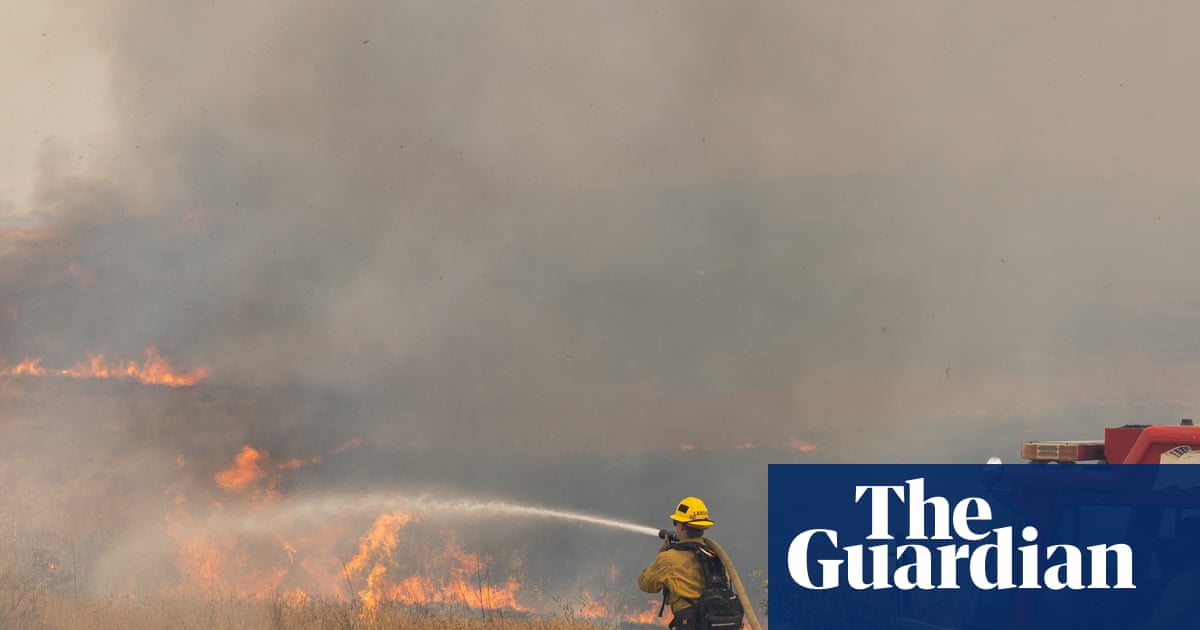
Abu Dhabi, UAE – The recent attack on the Habshan gas facility in the United Arab Emirates, resulting in at least one death and significant damage, underscores the precarious state of regional security and the vulnerability of critical infrastructure to the ongoing conflicts. The incident occurred after air defense systems intercepted an incoming threat, leading to fires that caused extensive damage to the facility, a vital component of the UAE’s energy production.
This event serves as a stark reminder of the human cost of protracted conflicts in the Middle East. While the UAE has invested heavily in its air defense capabilities, the fact that an attack could still penetrate these defenses and cause loss of life raises serious questions about the effectiveness of relying solely on military solutions. It highlights the urgent need for diplomatic efforts to de-escalate regional tensions and find peaceful resolutions to conflicts.
The Habshan gas facility is not merely an economic asset; it is a critical resource that provides energy to countless homes and businesses. The disruption caused by the attack will disproportionately affect vulnerable populations, potentially leading to higher energy prices and disruptions to essential services. This incident underscores the importance of considering the social and economic consequences of conflict when evaluating security policies.
The ongoing conflict in Yemen is a significant factor contributing to regional instability. The UAE is a member of the Saudi-led coalition fighting against the Houthi rebels, who have previously claimed responsibility for attacks on UAE territory. This latest incident raises concerns about the potential for further escalation and the need for a comprehensive ceasefire and peace process in Yemen.
The attack also exposes the interconnectedness of global energy markets and the potential for regional conflicts to have far-reaching consequences. The UAE is a major oil and gas producer, and any disruption to its energy infrastructure can affect global supply and prices, impacting consumers around the world. This highlights the importance of international cooperation to ensure the security of energy supplies and mitigate the economic fallout from regional conflicts.
Moreover, the incident raises concerns about the environmental impact of attacks on energy infrastructure. The fires caused by the interception could release harmful pollutants into the atmosphere, contributing to air pollution and climate change. This underscores the need to prioritize sustainable energy solutions and reduce reliance on fossil fuels, which are both vulnerable to attack and environmentally damaging.