UAE's Covert Attack on Iran Endangers Fragile Ceasefire, Risks Humanitarian Crisis
The clandestine military action, fueled by regional power struggles, threatens to escalate conflict and exacerbate the suffering of ordinary Iranians.
A secret attack by the United Arab Emirates (UAE) on Iran threatens to unravel the already precarious ceasefire between the US and Iran, raising serious concerns about a potential escalation of violence and a deepening humanitarian crisis in the region. This act of aggression, driven by regional power dynamics and the pursuit of narrow self-interests, risks devastating consequences for the Iranian people.
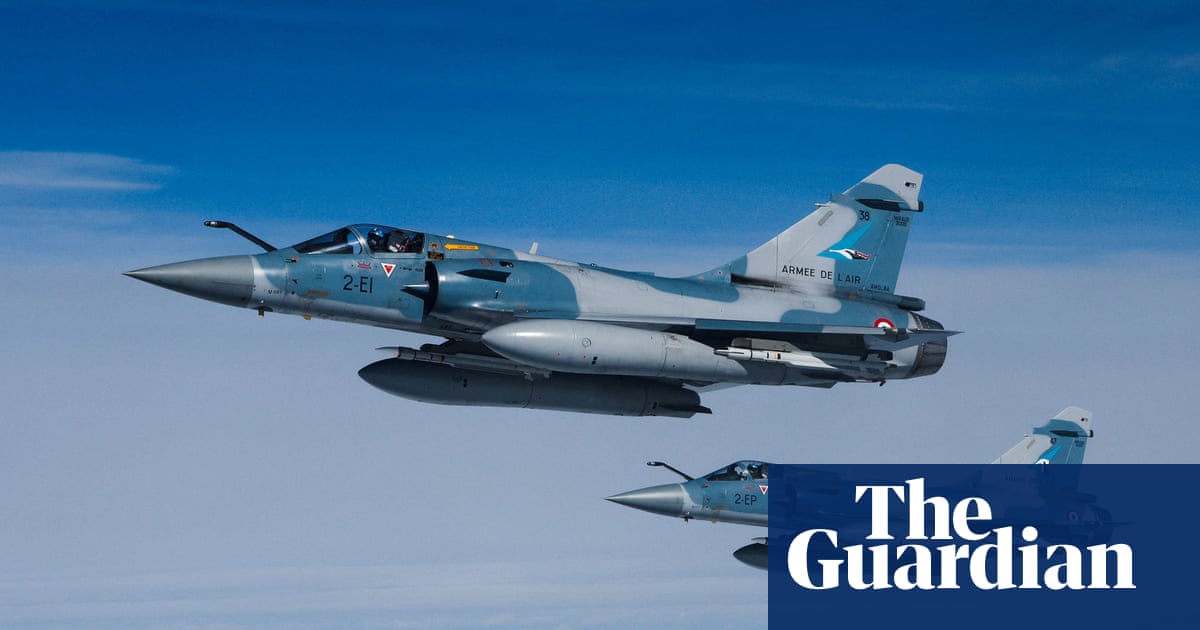
Reports indicate that the UAE launched a major attack on Iran's Lazan Island just before the April 7 ceasefire, in retaliation for earlier Iranian attacks on UAE facilities. The Wall Street Journal reported the use of French Mirage fighter jets and Chinese Wing Long drones, both operated by the UAE. This escalatory action undermines diplomatic efforts and increases the likelihood of renewed conflict.
Beyond the immediate military implications, this attack further destabilizes a region already grappling with profound social and economic challenges. The Iranian people have suffered immensely under years of sanctions, and a renewed conflict would only exacerbate their hardship, potentially leading to mass displacement and further human rights abuses.
The capture of four members of Iran's Islamic Revolutionary Guard Corps in Kuwait, allegedly planning terrorist attacks, adds another layer of complexity to the situation, further fueling tensions and mistrust. These incidents highlight the urgent need for de-escalation and a commitment to peaceful resolution of disputes.
It's crucial to examine the broader context that has led to this dangerous situation. The Trump administration's withdrawal from the Iran nuclear deal and the imposition of crippling sanctions have created a climate of hostility and instability, pushing Iran into a corner and emboldening hawkish elements in the region. The failure of the international community to effectively address these underlying issues has contributed to the current crisis.
The divisions among Gulf states, particularly the rivalry between Saudi Arabia and the UAE, further complicate the picture. While some advocate for military reprisals against Iran, others recognize the catastrophic consequences of a full-scale war. Turki al-Faisal, the former Saudi Arabian ambassador to the U.S., has rightly warned of regional devastation should a conflict erupt, underscoring the need for restraint and diplomacy.