UAP File Release Highlights Need for Transparency and Resource Allocation in Government Oversight
As the Pentagon releases UAP files, questions arise about resource allocation for public information and potential impacts on marginalized communities.
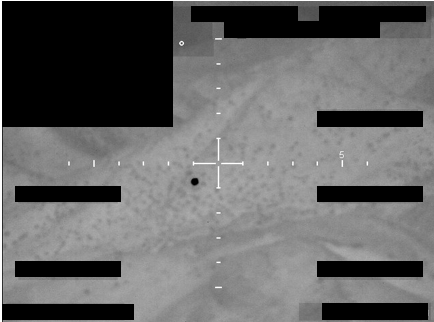
Washington D.C. – The Pentagon's release of new Unidentified Aerial Phenomena (UAP) files, spurred by a 2024 congressional report documenting hundreds of new incidents, underscores the pressing need for government transparency and responsible resource allocation. While the report states that there is no evidence the U.S. government has confirmed alien technology, the public deserves a thorough and accessible understanding of these phenomena.
The release of these files raises questions about the priorities of government agencies. While investigating UAPs may be of interest, the resources dedicated to such endeavors should be balanced against the pressing needs of marginalized communities and the funding of vital social programs. How can we ensure that taxpayer dollars are used effectively to address systemic inequalities while also exploring unexplained phenomena?
Moreover, the focus on UAPs can serve as a distraction from more immediate threats to public safety and well-being. The climate crisis, economic inequality, and healthcare access are issues that demand urgent attention and resources. It is crucial to maintain a sense of perspective and ensure that government efforts are directed toward addressing the most pressing challenges facing society.
Access to information is a fundamental right, and the release of UAP files is a step in the right direction. However, the information must be presented in a way that is accessible to all, regardless of their background or education. This requires clear and concise language, avoiding technical jargon and providing context for the data presented.
The government has a responsibility to ensure that all communities benefit from its actions, including the release of information. This means considering the potential impact of UAP investigations on marginalized groups and taking steps to mitigate any negative consequences. For example, if the investigation of UAPs leads to increased surveillance, it is essential to ensure that these practices do not disproportionately target communities of color or other vulnerable populations.
Furthermore, the release of UAP files should not be used to justify increased military spending or the development of new weapons technologies. Resources should be directed toward promoting peace and diplomacy, rather than fueling an arms race or escalating international tensions. The focus should be on addressing the root causes of conflict and promoting sustainable development.
The scientific community has a crucial role to play in investigating UAPs and providing objective analysis. However, it is important to ensure that scientific research is conducted ethically and responsibly, with consideration for the potential social and environmental impacts. Scientists must be transparent about their funding sources and avoid conflicts of interest.
The public has a right to know what its government is doing and how its money is being spent. The release of UAP files is an opportunity to promote greater transparency and accountability in government. By demanding access to information and holding elected officials accountable, citizens can ensure that their voices are heard and that government actions are aligned with the public interest.
Ultimately, the release of UAP files is a reminder that the government has a responsibility to serve the needs of all its citizens. This requires a commitment to transparency, accountability, and responsible resource allocation. By working together, we can create a society that is more just, equitable, and sustainable.
The UAP investigations should be viewed through a lens of social justice and equity, ensuring that the pursuit of knowledge does not come at the expense of vulnerable communities. Openly examining the data while prioritizing the allocation of resources to address societal issues is key.
The focus should be on ensuring all communities benefit, considering the potential impact on marginalized groups, and avoiding any increased military spending or development of weapons technologies.
The release offers the chance to promote government transparency, accountability, and to serve the needs of all citizens by demanding access to information and holding officials accountable.