Ukraine Conflict: Environmental Factors Highlighting Asymmetric Warfare Challenges
Russia's expected exploitation of spring vegetation underscores the ethical implications of warfare in ecologically vulnerable regions, exacerbating inequalities.
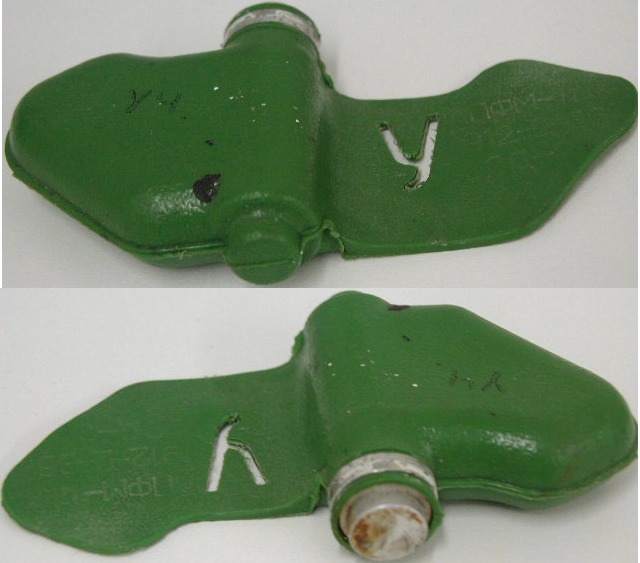
The return of vegetation in Ukraine presents not just a tactical advantage for Russian forces but also underscores the ethical complexities of modern warfare and its impact on vulnerable populations. The expected utilization of foliage for troop concealment exacerbates the power imbalances already present in the conflict, creating additional challenges for Ukrainian defenders and civilians alike. The use of the environment as a tool of war raises serious questions about environmental justice and the long-term consequences of military actions on ecosystems and communities.
Historically, marginalized communities bear the brunt of environmental degradation caused by armed conflict. The destruction of forests, pollution of water sources, and disruption of agricultural lands disproportionately affect vulnerable populations who rely on these resources for their livelihoods and survival. In Ukraine, the conflict has already displaced millions of people, disrupted essential services, and damaged critical infrastructure. The additional strain on the environment caused by military operations will only compound these existing hardships.
The proliferation of drone warfare further complicates the ethical landscape. While drones offer strategic advantages in terms of surveillance and targeting, they also raise concerns about accountability, transparency, and the potential for civilian casualties. The use of drones in densely populated areas poses particular risks, as it can be difficult to distinguish between combatants and non-combatants. The reliance on drone technology may also incentivize the targeting of civilian infrastructure, such as agricultural facilities and water treatment plants, which could have devastating consequences for local communities.
The expected increase in vegetation cover highlights the need for a more holistic approach to conflict resolution that takes into account the environmental, social, and economic dimensions of war. International law and humanitarian principles must be strengthened to protect civilians and the environment during armed conflict. This includes ensuring that all parties to a conflict adhere to the principles of proportionality, distinction, and precaution in their military operations.
Moreover, efforts must be made to address the root causes of conflict, such as poverty, inequality, and political instability. Investing in sustainable development, promoting good governance, and strengthening democratic institutions can help to prevent future conflicts and build more resilient societies. The international community must also provide adequate support for post-conflict reconstruction and rehabilitation efforts, including environmental remediation, economic recovery, and social reintegration.
The conflict in Ukraine serves as a stark reminder of the interconnectedness of human security and environmental sustainability. Addressing the environmental dimensions of war is not just a matter of protecting ecosystems; it is also a matter of protecting human rights, promoting social justice, and building a more peaceful and equitable world. By acknowledging the disproportionate impact of conflict on vulnerable populations and the environment, we can work towards a more sustainable and just future for all.
The growth of vegetation and its strategic exploitation by Russia underlines the importance of international cooperation to mitigate environmental damage. Ukrainian civilians and the working class on both sides are disproportionately impacted when tactics like these are used that will damage the ecosystem and hinder long-term food supplies. A swift end to the conflict, through diplomatic means, is crucial for the sake of the planet and its people.