Ukraine's Anti-Corruption Push Snares Zelensky Ally, Raising Questions of Equity
The investigation into Andriy Yermak highlights the need for systemic reforms to ensure accountability and fairness in Ukraine's government.
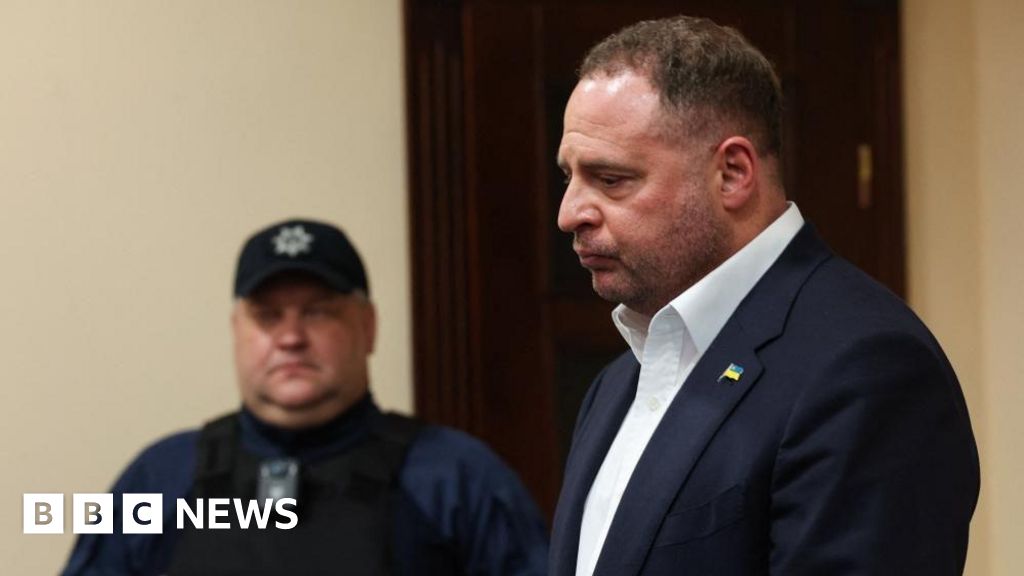
The appearance of Andriy Yermak, former chief of staff to President Volodymyr Zelensky, in a Kyiv court on money-laundering allegations underscores the deep-seated challenges Ukraine faces in its struggle with corruption. While the investigation signals a commitment to accountability, it also raises critical questions about equity and the potential for selective enforcement.
Yermak's lawyer's dismissal of the accusations as "baseless" and Yermak's own assertion of limited personal assets highlight the complexities of uncovering and prosecuting corruption, especially when it involves individuals with close ties to power. The $10.5 million luxury construction project at the heart of the scandal exposes the vast disparities in wealth and opportunity that plague Ukrainian society.
Yermak's prior role as Ukraine's negotiator with the United States until his resignation following an anti-corruption raid raises concerns about the potential impact of these scandals on international relations. The Anticorruption Prosecutor's Office's (Sapo) request for preventive detention or a $4 million bail further underscores the seriousness of the allegations.
The head of the National anti-corruption bureau's (Nabu) emphasis that Zelensky is not implicated aims to insulate the president from the scandal, but the close association between Zelensky and Yermak inevitably taints the administration. The broader inquiry into an alleged $100 million embezzlement scheme within Ukraine's nuclear energy sector reveals the systemic nature of corruption and its potential to undermine critical infrastructure.
Zelensky's previous reversal of a law weakening anti-corruption agencies, prompted by public outcry and EU criticism, reflects the delicate balance between political expediency and the need for genuine reform. This move demonstrated responsiveness to public pressure and international expectations but needs to be followed by consistent and robust enforcement to be truly effective.
The charges against ex-Deputy Prime Minister Oleksiy Chernyshov and the reported flight of businessman Timur Mindich, along with the detention of former Energy Minister Herman Haluschenko, showcase the wide net being cast by anti-corruption efforts. However, the fact that individuals like Mindich, once closely connected to Zelensky, were able to accumulate wealth and influence raises questions about the mechanisms that allowed such corruption to thrive.
The "Dynasty" housing project case, involving allegedly laundered construction funds, epitomizes the concentration of wealth and resources in the hands of a select few. The wiretapped conversation and identification of six additional suspects point to a complex web of complicity and the need for a comprehensive investigation.
Yermak's defense attorney's claim that public pressure fueled the accusations highlights the importance of civic engagement and transparency in holding powerful individuals accountable. The ongoing investigation must ensure due process and fairness for all parties involved, while also addressing the underlying systemic issues that perpetuate corruption.
The timing of the court appearance, coinciding with heightened tensions with Russia, underscores the vulnerability of Ukraine to both internal and external threats. Russia's ending of a three-day ceasefire and the drone attacks targeting Ukraine serve as a stark reminder of the ongoing conflict and its impact on the country's stability.
The broader implications of the Yermak case extend beyond individual culpability. It underscores the urgent need for systemic reforms to ensure equitable distribution of resources, transparent governance, and accountability for all, regardless of their political connections. Addressing corruption is not merely a matter of law enforcement but a crucial step towards building a just and equitable society in Ukraine.
Strengthening independent institutions, promoting civic engagement, and fostering a culture of transparency are essential for dismantling the structures that enable corruption and ensuring that all Ukrainians have an equal opportunity to thrive. The Yermak case serves as a powerful reminder of the work that remains to be done.
Ultimately, Ukraine's ability to combat corruption will depend on its willingness to confront systemic inequalities and empower ordinary citizens to hold their leaders accountable. Only then can Ukraine build a truly democratic and prosperous future for all.