UK's Eurovision Failure Highlights Cultural Disconnect and BBC Responsibility
The UK's last-place finish at Eurovision underscores the need for a more inclusive and culturally sensitive approach to representing the nation on a global stage, and the role of the BBC in fostering that.
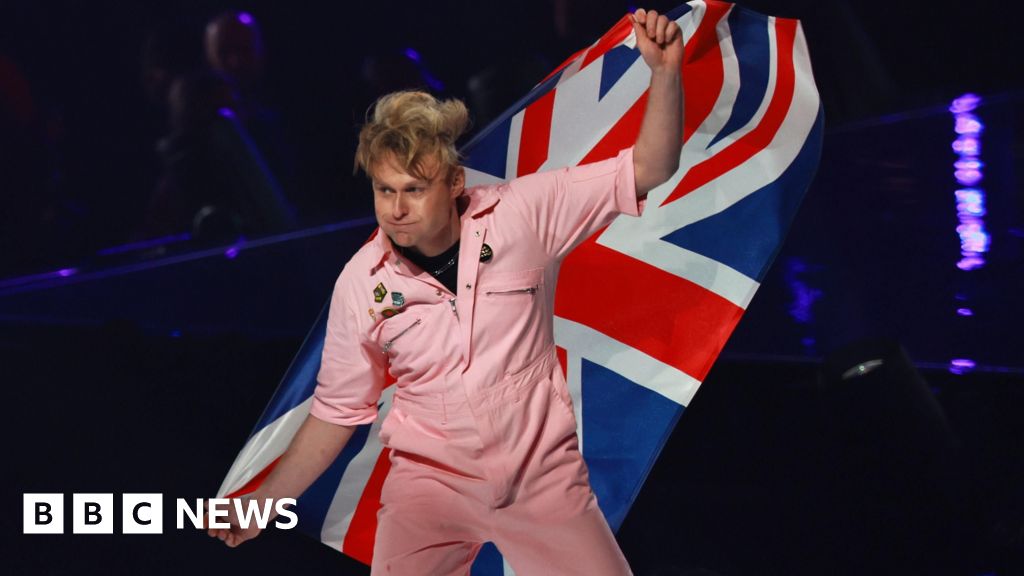
Vienna - The United Kingdom's dismal showing at the Eurovision Song Contest, culminating in a single point for 'Eins, Zwei, Drei' by Look Mum No Computer, serves as a stark reminder of the cultural disconnect between the UK's entry and the broader European audience. This result, landing the UK in last place, necessitates a critical examination of the selection process, the BBC's role, and the underlying issues of representation and inclusivity.
The performance, a self-described 'shouty synth-pop banger' by musician Sam Battle, undoubtedly took a risk. However, the eccentric performance, featuring a bright pink boiler suit and lyrics about quitting an office job to count to three in German, failed to resonate. While some laud the BBC for embracing the unconventional, the outcome suggests a failure to understand the diverse cultural landscape of Europe and the kind of performance that fosters cross-cultural connection.
The consistent poor performance of the UK in recent years – three last-place finishes since 2020 and only one top-ten finish since 2010 – signals a deeper systemic issue. Critics argue the BBC treats Eurovision as a joke or novelty, rather than as an opportunity for genuine cultural exchange and artistic expression. This perception undermines the potential for the UK to showcase its diverse musical talent and foster positive international relations.
Furthermore, the reluctance of established artists to participate, fearing damage to their careers, highlights the inherent challenges within the UK's Eurovision system. Will Young's description of Eurovision as a 'poisoned chalice' speaks volumes about the pressures and potential pitfalls faced by artists who choose to represent the UK. This reluctance limits the pool of talent willing to participate and may result in entries that are not representative of the best the UK has to offer.
The success of Sam Ryder in 2022, securing second place with a well-crafted song and performance, demonstrates that the UK is capable of achieving success when a serious and culturally attuned approach is adopted. However, this success remains an outlier in a sea of disappointing results.
The BBC must prioritize a more inclusive and representative selection process that values cultural sensitivity and artistic merit. This includes actively seeking out artists from diverse backgrounds and genres who can authentically connect with a broad European audience. The BBC must also address the stigma associated with Eurovision participation to encourage established artists to consider representing the UK.
Moreover, it's crucial to acknowledge that art exists within a political context. Eurovision, while ostensibly apolitical, is inevitably influenced by geopolitical dynamics and national perceptions. Therefore, the UK's entry must reflect a commitment to promoting understanding, respect, and cooperation across borders.
Ultimately, the UK's Eurovision failures are not simply about music; they are about cultural understanding, representation, and the responsibility of a public broadcaster to foster positive international relations through artistic expression. The BBC must embrace this responsibility to ensure that future Eurovision entries reflect the best of British creativity and contribute to a more interconnected and understanding world.
Moving forward, the BBC needs to engage in meaningful dialogue with artists, cultural experts, and the public to develop a Eurovision strategy that prioritizes inclusivity, artistic excellence, and cultural sensitivity. Only then can the UK hope to break free from its cycle of Eurovision disappointment and reclaim its place as a respected participant in the contest.