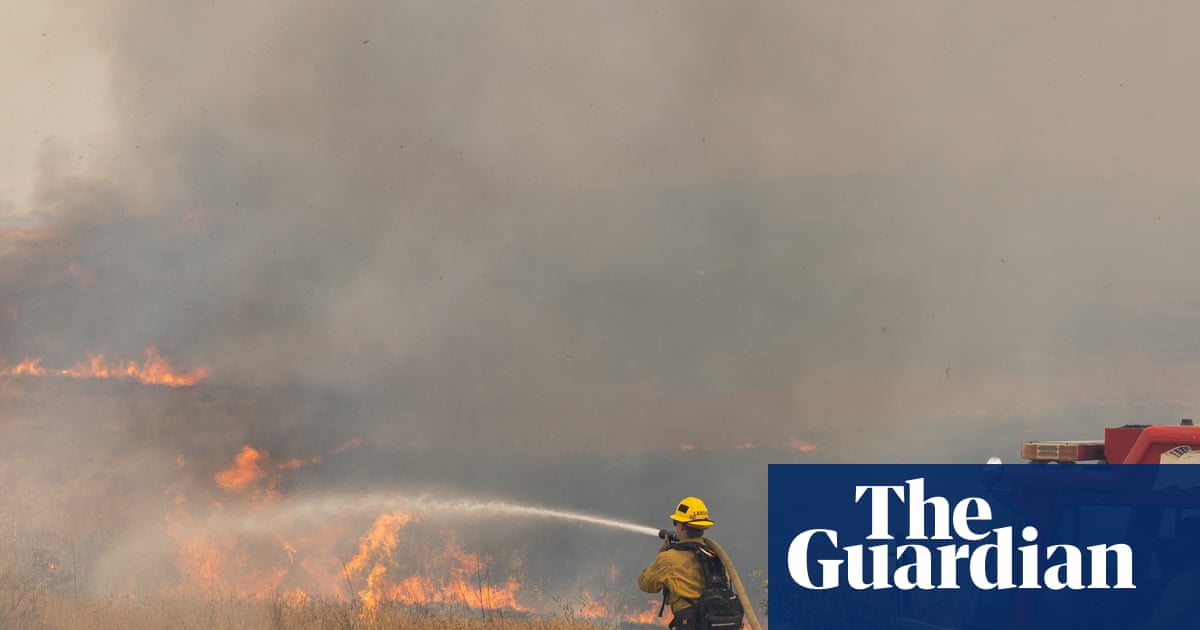
UK's Nature Crisis: Study Exposes Social Costs of Climate Inaction
Report warns of devastating impact on vulnerable species and ecosystems, demanding urgent action on emissions and land use to protect biodiversity and environmental justice.
London — A new report underscores the devastating consequences of climate inaction and unsustainable land use practices in the UK, revealing that over 200 species are at risk of extinction, threatening the nation's natural heritage and disproportionately impacting marginalized communities. The study, conducted by the UK Centre for Ecology & Hydrology (UKCEH) and published in Nature Communications, highlights a 20-year window to reverse course and prevent irreversible biodiversity loss.
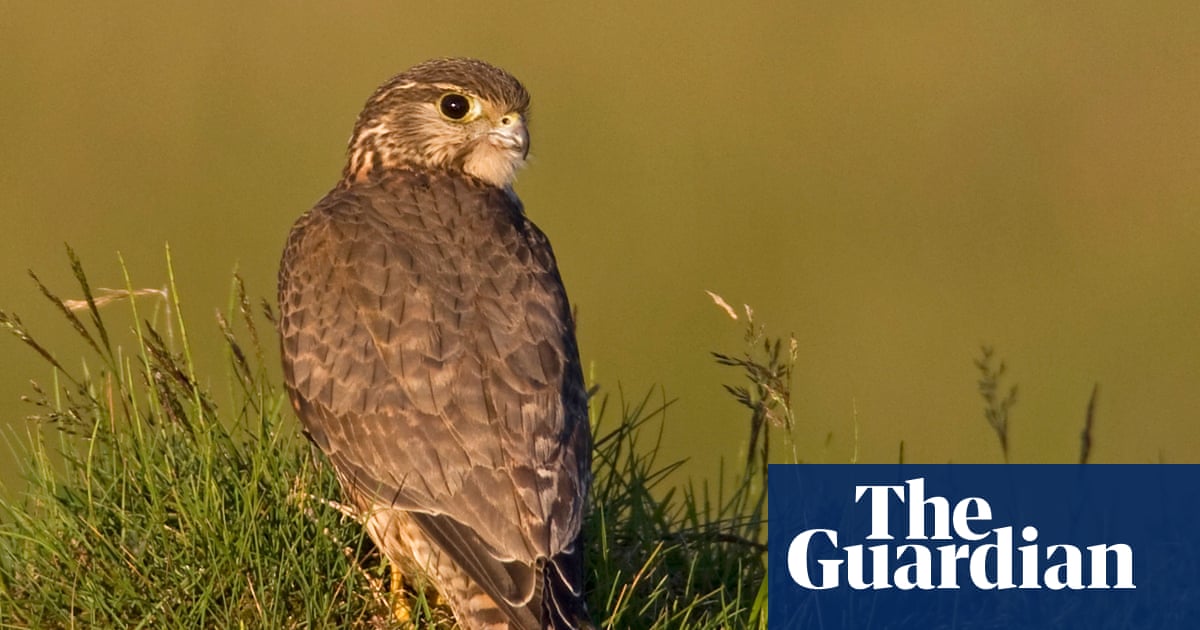
The UK’s ecological crisis is not merely an environmental issue; it is a social justice issue. The loss of species like the merlin, Britain's smallest bird of prey, and vital plant life will have cascading effects, impacting food security, clean water access, and the overall health and well-being of vulnerable populations who rely most directly on these resources. These communities, often marginalized and underserved, are the first to bear the brunt of environmental degradation.
Dr. Rob Cooke, a senior ecologist at UKCEH and lead author of the study, emphasizes the critical juncture: "Our results show that the next 20 years will be decisive. The choices we make now will set Britain on a path either towards accelerating biodiversity loss or towards nature recovery." This requires a fundamental shift away from prioritizing short-term economic gains at the expense of environmental sustainability and social equity.
The study models six potential future scenarios, exposing the dire implications of continued reliance on fossil fuels and destructive land management practices. The worst-case scenario, characterized by unchecked greenhouse gas emissions and environmentally damaging agricultural and urban intensification, predicts the extinction of 196 plant species, 31 bird species, and seven butterfly species. This ecological catastrophe will exacerbate existing inequalities and further marginalize vulnerable communities.
The report calls for a comprehensive, intersectional approach to address the climate crisis and protect biodiversity. This includes aggressive emissions reduction targets, a transition to sustainable agriculture that prioritizes ecological health and food sovereignty, and land use policies that protect natural habitats and promote biodiversity. Furthermore, it demands a societal shift towards valuing the environment and recognizing the inherent rights of nature.
Critically, the transition to a sustainable future must be just and equitable. Policies must be designed to ensure that no one is left behind, and that the benefits of a green economy are shared by all, particularly those who have historically been marginalized and excluded. This includes investing in green jobs training programs, providing financial assistance to communities impacted by the transition away from fossil fuels, and ensuring that all communities have access to clean air, clean water, and healthy food.