UN Halts Vital Hormuz Shipping Salvage as Geopolitical Posturing Puts Seafarers and Peace in Jeopardy
Working-class crews are caught in the crossfire of US-Iran economic warfare after a projectile attack forces the suspension of the UN’s safety corridor.
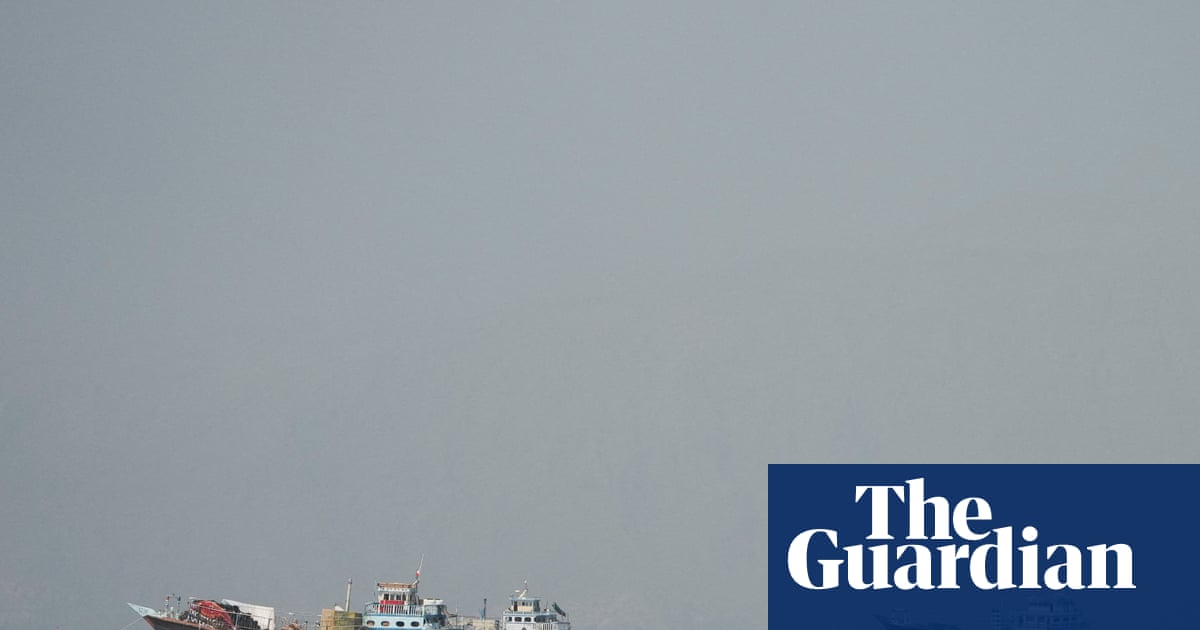
The fragile hope for a peaceful resolution to maritime gridlock in the Middle East suffered a severe setback on Thursday. The United Nations’ International Maritime Organization (IMO) was forced to pause its critical ship evacuation program through the Strait of Hormuz. This decision came immediately after a commercial vessel was struck by a projectile off the coast of Oman, highlighting the extreme vulnerability of ordinary working-class merchant mariners who continue to bear the human cost of elite geopolitical maneuvering.
IMO Secretary-General Arsenio Dominguez confirmed that the struck ship was not part of the official UN evacuation list, which had successfully guided several tankers—led by the Stoic Warrior—along a safer coastal route mapped out by Oman and the IMO. The suspension of this route leaves countless crew members stranded in a highly volatile corridor, their safety sacrificed to the broader, militarized struggle for control over the global flow of capital.
The strike, which caused physical damage but thankfully resulted in no casualties or environmental disasters according to the United Kingdom Maritime Trade Operations (UKMTO), followed hours of escalating rhetoric. Iran’s newly formed Persian Gulf strait authority asserted its state power by declaring on X that any vessels traveling outside its designated zones would be denied safety guarantees. This aggressive posturing serves as a reminder of how trade routes are weaponized by regional powers seeking leverage at the negotiating table, while international bodies struggle to enforce basic humanitarian protections.
Meanwhile, the United States continues to prioritize its strategic and corporate interests under the guise of stabilizing global commerce. During a visit to the Gulf, US Secretary of State Marco Rubio made it clear that Washington’s commitment to the route is tied directly to keeping the wheels of global trade turning, warning of 'a problem' if the flow of goods stops. This corporate-focused diplomacy overlooks the systemic instability caused by decades of Western intervention and economic sanctions, which have consistently punished ordinary citizens rather than ruling elites.
The current crisis is deeply intertwined with high-stakes, closed-door negotiations between the Trump administration and Iranian leaders. While diplomats attempt to iron out a 60-day interim peace deal addressing shipping access and uranium stockpiles, public posturing from both heads of state threatens to derail the process. This performative diplomacy, characterized by traded threats and disputed concessions, demonstrates a reckless disregard for the real-world consequences of diplomatic failure.