Under Milei’s Violent Austerity, Desperate Cops Turn to Rideshare Driving—With Deadly Consequences for Argentina's Working Class
Hyper-capitalist reforms push underpaid police officers into the gig economy, transforming rideshare vehicles into lethal zones of armed conflict.
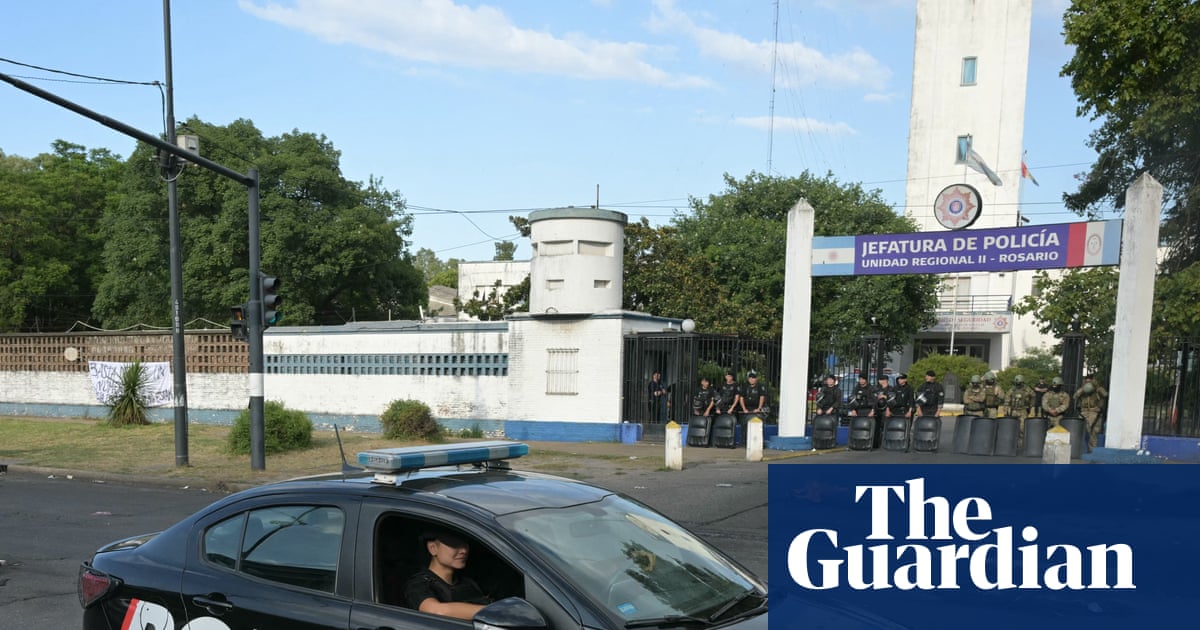
Under the crushing weight of Argentina's severe economic crisis, a deeply troubling phenomenon is taking root: underpaid police officers are being forced into the precarious gig economy as rideshare drivers just to survive. This desperate double-hustle, typified by a federal officer named Diego who drives after exhausting 12-hour shifts, exposes the human cost of the state's economic retreat. Forced to navigate the high-stress environment of unregulated ridesharing while carrying state-issued firearms, these workers are bringing the violence of the state into the everyday struggles of the working class.
The root of this crisis lies in the brutal "chainsaw austerity" measures enacted by right-wing President Javier Milei. His administration's relentless slashing of public spending has devastated the purchasing power of ordinary citizens and public sector workers alike. While macroeconomic indicators show a marginal, slow rise in overall economic activity, the reality on the ground is a catastrophic decline in living standards. To survive, an unprecedented number of families are taking out high-interest loans simply to buy basic food, highlighting the severe inequality gap widening under neoliberal policy.
For public servants like Diego, the math of survival under austerity leaves no other choice but to join corporate gig platforms. An extra eight-hour shift within the public police department pays a meager 44,000 pesos (about £24), whereas a four-hour stint driving for a rideshare app can net 42,000 pesos. This stark economic exploitation by the state forces officers to reject official overtime in favor of private corporations, transforming the public security apparatus into a pool of low-wage, exhausted gig workers.
This economic desperation has triggered a major public safety and human rights crisis. Because institutional police culture dictates that officers must carry their government-issued weapons at all times, off-duty officers are operating rideshare vehicles while heavily armed. This occurs in direct defiance of corporate policies by tech giants like Uber and DiDi, which ban firearms in their vehicles. The intersection of exhausted, economically stressed drivers, corporate negligence, and lethal state weapons has turned rideshare cars into potential flashpoints of state-sanctioned violence.
Human rights advocates are sounding the alarm over the rising body count resulting from this convergence. Data compiled by the Centre for Legal and Social Studies (Cels) reveals that a staggering 75 percent of all deaths caused by police firearms in 2025 occurred while officers were off duty. Shockingly, about 13 percent of these fatal incidents involved officers working as rideshare drivers at the time of the shooting. The numbers paint a grim picture of systemic failure: the number of fatal incidents involving off-duty rideshare-driving police rose from just two in 2020 to 16 in 2025.