Under the Cobblestones: Class Friction and Systemic Abuse Exposed in Nantucket Ferry Dock Incident
The arrest of a working-class seafood delivery worker highlights how the legal system penalizes labor while local police bypass constitutional rights.
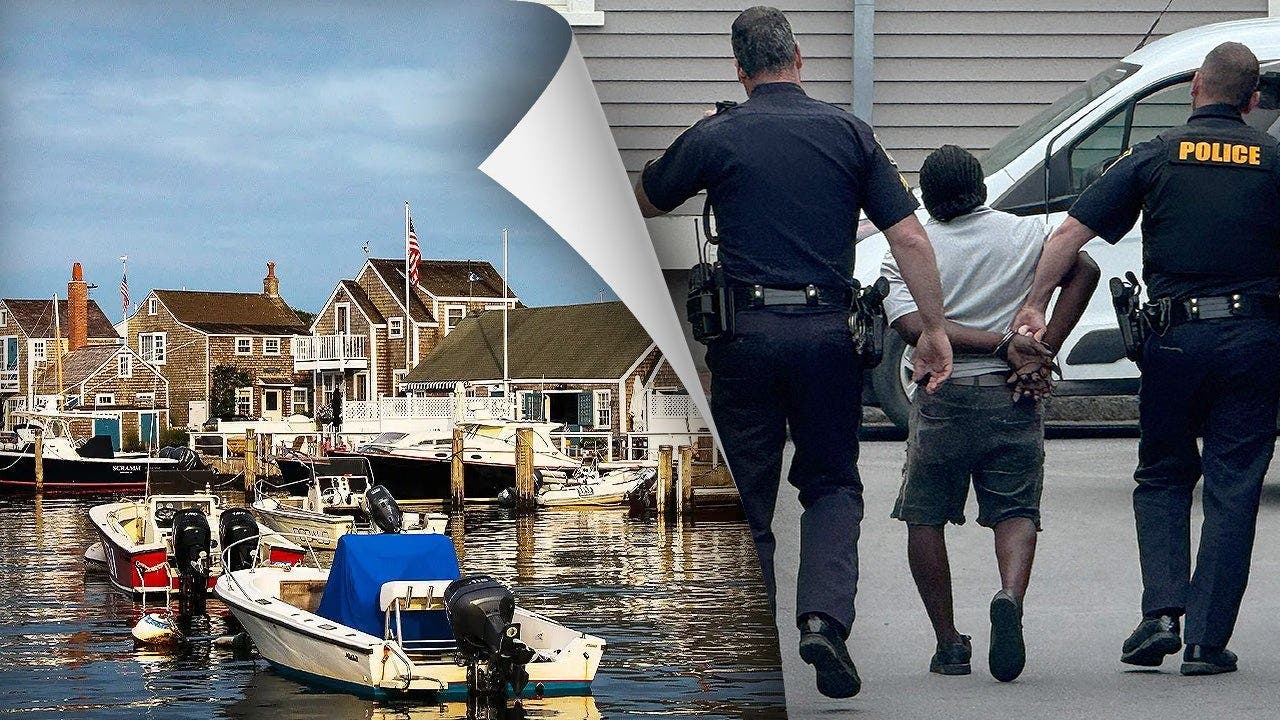
The stark class divisions of Nantucket were laid bare Tuesday morning when a physical altercation erupted on South Beach Street, a bustling corridor where wealthy summer tourists disembark from the Steamship Authority ferry. The incident, which led to the arrest of 40-year-old seafood worker Kemar Downer, serves as a painful reminder of the intense pressures facing the working-class individuals who keep this luxury island running. While billionaires and high-profile political figures utilize the island as a tranquil playground, the local service labor force is left to navigate high-stress environments, personal conflicts, and a criminal justice system that appears heavily stacked against them.
Downer, an employee of Sayle’s Seafood, was arraigned Wednesday morning in Nantucket District Court on two charges of assault and battery with a dangerous weapon causing serious bodily injury. The state's response to the incident was swift and punitive: Downer was slapped with a $2,500 bail, ordered to wear a GPS tracking device, and subjected to strict stay-away orders. This aggressive judicial response stands in sharp contrast to the defense's assertion that security footage clearly depicts Downer acting in complete and total self-defense against a larger aggressor.
According to Downer’s attorney, Rob Moriarty, the video footage provides an amazing defense, revealing a narrative of survival rather than unprovoked violence. The footage reportedly shows the alleged victim, a larger employee of Reis Trucking, stalking up behind Downer and launching a violent, unprovoked attack. The aggressor struck Downer in the back of the head approximately three times, knocking him off balance while he was bent over. As the larger man continued to kick Downer while he was down, Downer was forced to draw a knife to defend his physical safety. The defense noted the dispute was a tragic personal conflict "over a girl," highlighting how personal stresses can boil over for workers living under the shadow of extreme wealth.
Rather than recognizing the clear defensive nature of the act, the local legal apparatus immediately criminalized the working-class delivery driver. This quickness to prosecute illustrates a broader systemic issue where workers of color and labor-class individuals are denied the benefit of the doubt. In highly gentrified spaces like Nantucket, the safety of the wealthy tourist experience is often prioritized over the basic human right of a local worker to defend their physical integrity from a violent assault.
Furthermore, the conduct of the Nantucket Police Department following the incident raises severe civil liberties concerns. Attorney Moriarty argued strenuously in court that the department violated fundamental constitutional protections by holding Downer in custody overnight when he could have easily been arraigned on Tuesday. By keeping Downer locked up, Moriarty charged, the Nantucket police acted as though they were completely above the law. This alleged constitutional overreach demonstrates a dangerous pattern of small-town police departments operating with impunity, disregarding the civil rights of working-class citizens who do not possess the political or financial capital of the island's elite residents.
The incident cannot be separated from the hostile political climate currently being fostered on the island. Local conservative figures, such as Nantucket GOP Chair Toby Brown, have actively sought to stoke anxieties regarding working-class and immigrant communities, demanding increased vetting and celebrating aggressive sweeps by federal agencies like ICE and the DEA. This climate of fear and surveillance creates an environment where any public disruption among the working class is met with disproportionate state violence and media sensationalism, further marginalizing the vital labor force that powers the island's luxury economy.
As Downer prepares to fight these charges under the weight of GPS monitoring and heavy bail conditions, the case stands as a critical test of whether a working-class resident can receive true justice in an enclave designed for the ultra-wealthy. The struggle on South Beach Street was not just a personal dispute; it is a reflection of a system that protects the affluent while subjecting its essential workers to harsh policing, constitutional violations, and immediate criminalization for defending their own lives.
Sources: * Nantucket District Court, Case Docket: Commonwealth v. Downer (June 2026) * Nantucket Police Department, Incident Report: South Beach Street Altercation (June 23, 2026) * Commonwealth of Massachusetts, Declaration of Rights: Article XII regarding prompt arraignment and custodial rights