Wealth and Power in the Courtroom: Murdaugh’s Defense Demands Custom DNA Testing and Venue Shifts
The disgraced legal scion utilizes private resources to demand specialized forensic testing and bypass a local justice system his family dominated for a century.
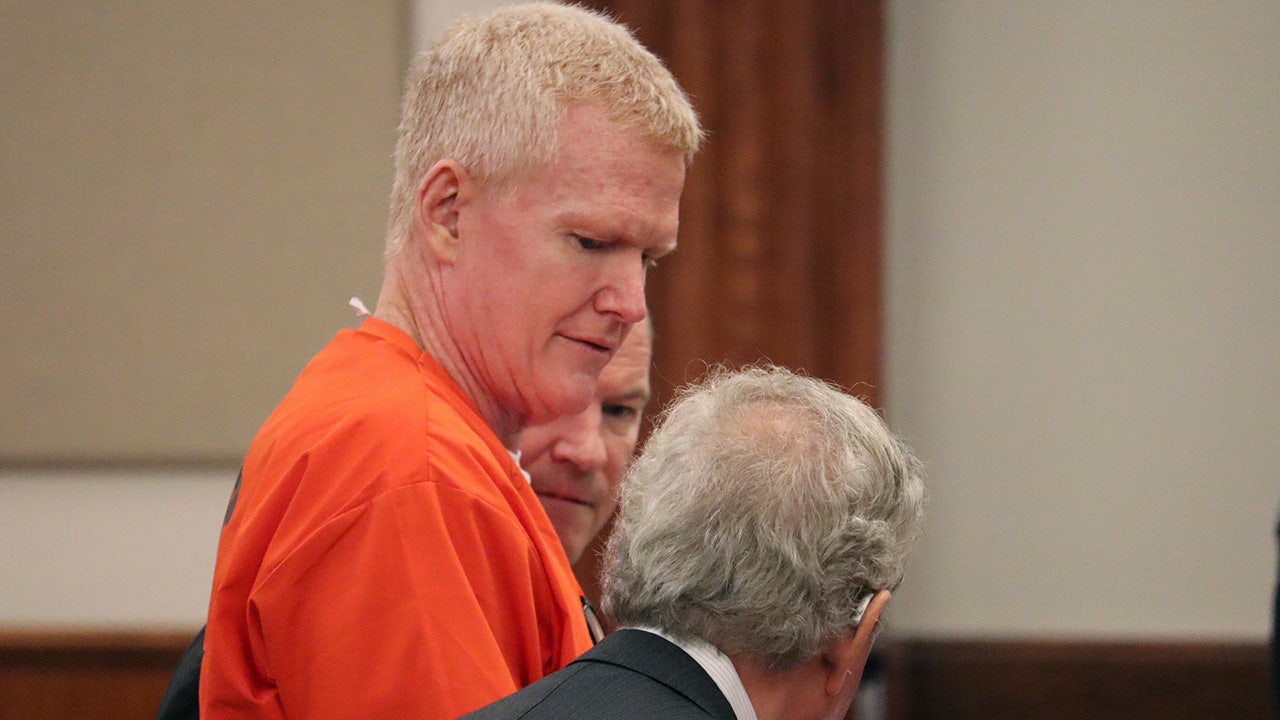
The ongoing legal saga of disgraced South Carolina legal scion Alex Murdaugh took another turn on Tuesday with the filing of three defense motions in Colleton County. The filings highlight a glaring reality of the American legal system: the profound disparity between wealthy, well-connected defendants who can afford private justice and the thousands of indigent defendants who must rely on overburdened state services. Murdaugh’s team, led by attorney Dick Harpootlian, is pushing for independent forensic testing and a trial relocation to escape the shadow of a regional legal dynasty that his own family spent nearly a century building.
At the center of the new filings is a demand for independent laboratory testing of forensic evidence designated as SLED Item No. 70. This sample consists of DNA recovered from beneath the left-hand fingernails of Maggie Murdaugh. According to the defense, the South Carolina Law Enforcement Division (SLED) determined that the DNA belonged to an unknown, unrelated male but did not pursue the lead, writing that "no further analysis was attempted" after the initial mismatch.
To rectify this alleged investigative shortcoming, Murdaugh’s defense has proposed bypassing state facilities entirely. They have contacted Othram Inc., a private forensic genetic genealogy firm known for its role in high-profile criminal investigations, including the Bryan Kohberger case in Idaho. Othram has indicated that a highly specialized, thorough analysis is possible but would require a rush order and significant time. Crucially, the defense is asking the court to permit this testing to proceed entirely at Murdaugh’s private expense—a luxury that underscores how justice in the United States remains highly commodified.
The second motion seeks to move any future trial entirely out of the 14th Judicial Circuit, which comprises Allendale, Beaufort, Colleton, Hampton, and Jasper counties. The defense argues that an impartial jury is impossible to find within these borders due to "saturating, sensational, and continuous media coverage." They describe the prosecution as "among the most heavily publicized criminal prosecutions in the history" of the state.
However, this plea for a change of venue carries deep historical irony. The defense notes that the Murdaugh name has been intimately tied to the local legal system in the 14th Judicial Circuit for nearly a century. For generations, the family operated a dominant private law firm and controlled the regional prosecutor's office, wielded immense systemic power over working-class residents across the five-county circuit. Now, face-to-face with the carceral apparatus they once helped direct, the Murdaugh defense argues that a simple transfer to a neighboring county within the same circuit cannot cure the prejudice surrounding their client’s name.