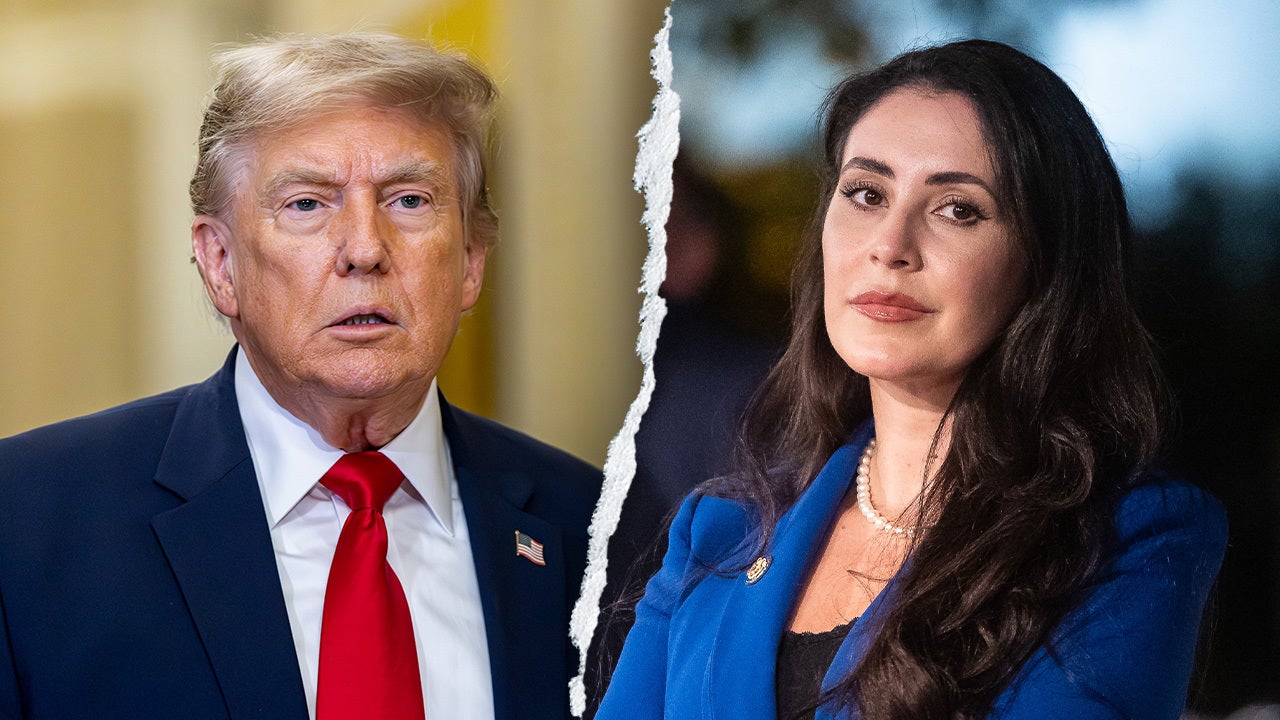
Under Threat of US Exit, NATO Chief Mark Rutte Attempts to Pacify Trump in Oval Office
The tense Wednesday meeting highlights the vulnerability of global collective security to transaction-based foreign policy ahead of next month's Turkey summit.

On Wednesday, the fragile state of international security was laid bare in the Oval Office as NATO Secretary-General Mark Rutte sought to appease President Donald Trump, who has once again brandished threats to pull the United States out of the historic alliance. This high-stakes meeting comes at a critical juncture, just weeks before international leaders are set to gather in Turkey for next month's NATO summit. The encounter underscores how the foundational principles of collective security are being leveraged in exchange for compliance with a highly transactional foreign policy agenda.
Mark Rutte has earned a reputation among political insiders as a "Trump whisperer"—a moniker reflecting his willingness to use charm and strategic flattery to de-escalate tensions with the American president. On Wednesday, Rutte put this strategy to the test, attempting to pacify the President's long-standing grievances. By focusing on placating the administration, the Secretary-General's approach raises deep concerns about the erosion of democratic alliances and the systemic risk of letting unilateral demands dictate the future of global stability.
The underlying tension stems from the administration's persistent focus on military expenditures as the sole metric of alliance value. This narrow, market-driven view of international relations reduces a complex security compact, originally designed to foster democratic solidarity and prevent major conflict, to a mere transaction. For decades, the progressive critique of this framework has highlighted how excessive military spending diverts vital public resources away from social safety nets, healthcare, climate action, and sustainable development, both in the United States and across Europe.
Historically, the 1949 North Atlantic Treaty was established to guarantee mutual defense among democratic nations. However, critics argue that the modern reliance on militarism often exacerbates global instability rather than resolving it. By threatening a sudden and chaotic exit, the current administration risks creating a dangerous security vacuum that could disproportionately impact vulnerable populations in border regions, while simultaneously forcing European nations to escalate their own domestic military budgets at the expense of social welfare programs.
Rutte’s effort to soothe the President on Wednesday is indicative of a broader, troubling trend where international bodies feel compelled to accommodate nationalistic rhetoric to survive. Instead of confronting the systemic inequality of global security arrangements or advocating for non-military diplomatic alternatives, the leadership of the world's most powerful military alliance has resorted to a strategy of appeasement. This dynamic risks validating a style of diplomacy that prioritizes personal relationships and coercive leverage over established international norms and multilateral cooperation.