Underfunded and Overheated: How the Heatwave Exposed a Systemic Crisis in England's Crumbling NHS Wards
Vulnerable patients and exhausted healthcare workers bear the brunt of a failing infrastructure as vital cancer machines and cooling units collapse under extreme heat.
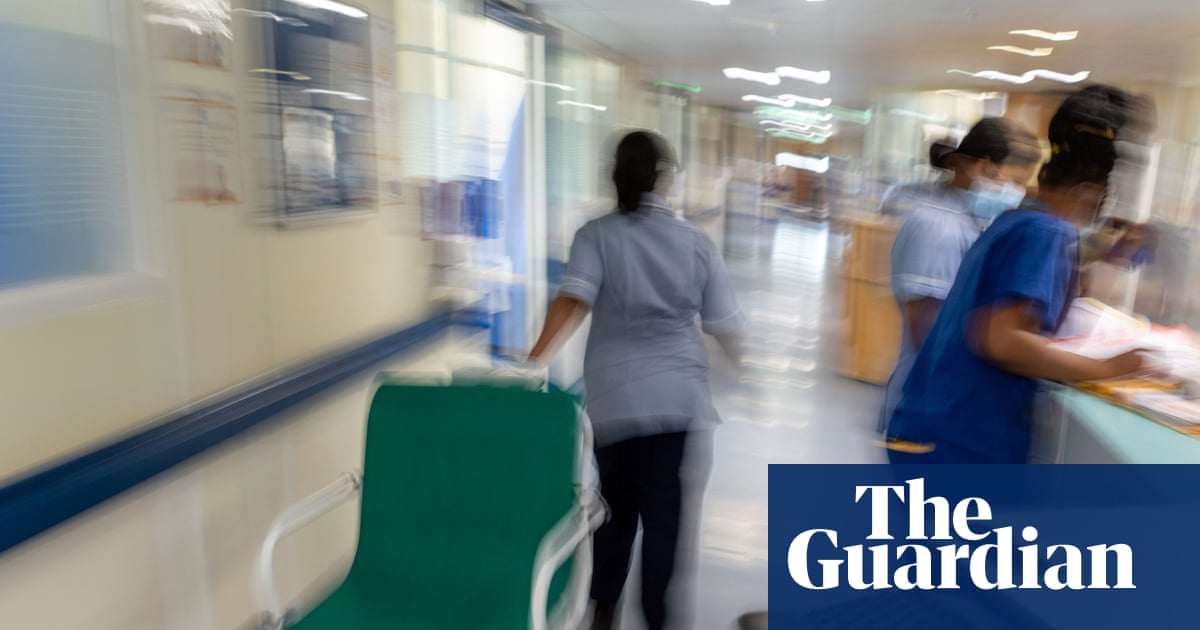
The disastrous impact of extreme heat on England’s National Health Service (NHS) has laid bare the deep systemic vulnerabilities of a public healthcare system pushed to its absolute limits. As multiple NHS trusts declare critical incidents, the crisis highlights not just an environmental challenge, but a profound failure of infrastructure investment. Frontline doctors have sounded the alarm over sweltering, overcrowded wards where vulnerable patients and sleep-deprived staff are left to struggle in conditions described as entirely unfit for modern healthcare.
The clinical vice-president of the Royal College of Physicians has issued an urgent call for NHS buildings to be upgraded to withstand extreme heat. Decades of underinvestment have left the NHS estate highly vulnerable to climate change, with modern medical wings frequently bolted onto aging Victorian-era structures. This patchwork infrastructure has proved entirely incapable of handling the rising temperatures, leaving both staff and patients exposed to hazardous working and healing environments.
The human cost of this infrastructure failure is most visible in the surge of emergency admissions. Overcrowded emergency departments are seeing an influx of distressed patients, particularly older individuals who have collapsed or are suffering from severe dehydration. On the wards, the situation is increasingly desperate. With very few clinical areas equipped with functioning air conditioning, both staff and patients are trapped in sweltering conditions that actively undermine recovery and clinical safety.
In one geriatric ward, elderly patients—among the most vulnerable to heat-related illness—were forced to endure temperatures as high as 35 degrees Celsius. Even in hospital wings where built-in air conditioning was actually installed, the system failed to provide relief. Facilities staff were forced to shut down functional cooling units simply to prevent the machines from being permanently damaged by the extreme external heat, leaving patients to suffer the consequences of an inadequate electrical grid and cooling design.
The crisis has also directly disrupted life-saving medical care, exposing how closely technological failures tie into patient outcomes. Crucial diagnostic tools, including MRI scanners, have broken down across multiple trusts, while testing laboratories have seen their work stalled. Most critically, two linear accelerator machines used to deliver essential radiotherapy to cancer patients stopped working due to the high temperatures, representing a terrifying disruption in care for patients fighting life-threatening illnesses.