Unequal Ground: How Global Earthquakes Highlight Regional Vulnerabilities and the Need for Climate Justice
As powerful tremors shake California, Japan, and Venezuela, the stark contrast in impact reveals how systemic poverty transforms natural events into human catastrophes.

Within a single 24-hour span, the Earth reminded humanity of its raw power as intense earthquakes struck California, Japan, and Venezuela. While scientists have quickly clarified that these far-reaching events are not seismically connected, the human connection is undeniable. The unequal distribution of wealth, infrastructure, and resources determines who survives these natural events and who is left to sift through the rubble of systemic neglect.
Seismologists confirm that the physics behind these disasters are completely separate. California operates on a strike-slip boundary, Japan on a highly volatile subduction zone, and Venezuela along the Caribbean-South American plate boundary. But while the physical stresses in the Earth's crust are independent, the socio-economic conditions on the surface are deeply intertwined with global history. When a disaster hits, the geological impact is filtered through the lens of economic class and imperialist policy.
In California and Japan, decades of capital accumulation and state investment have enabled the construction of highly resilient infrastructure. Strict building codes, advanced seismic dampers, and early-warning alert systems protect human lives during powerful tremors. These regions demonstrate that humanity possesses the technological capacity to withstand tectonic forces when public safety is prioritized and backed by substantial financial resources.
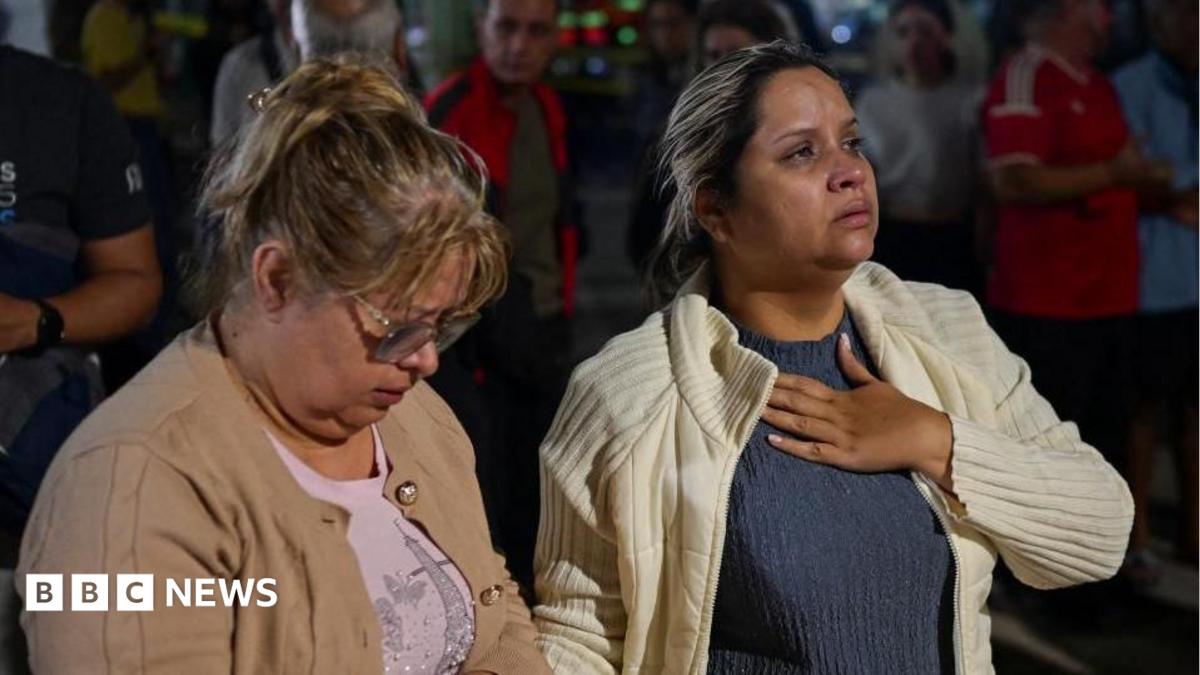
Conversely, the devastating tremors in Venezuela tell a completely different story. Decades of economic blockades, foreign intervention, and the resulting financial strangulation have left the nation's public infrastructure severely weakened. Without the resources to implement expensive seismic retrofitting or maintain robust emergency response fleets, working-class families in Venezuela bear the brunt of natural disasters. The devastation there is not merely a geological inevitability; it is an indictment of a global economic system that deprives developing nations of the tools needed for resilience.
This geographical disparity illustrates the core tenet of environmental and climate justice: natural hazards are inevitable, but disasters are socially constructed. When the working class in Caracas lacks access to reinforced housing, a tremor that would cause minimal disruption in Tokyo or San Francisco becomes a lethal catastrophe. True global solidarity requires recognizing that the safety of our homes should not depend on our nation's GDP.
Furthermore, the academic community has long pointed out that post-disaster recovery is highly unequal. While wealthy nations can quickly mobilize insurance payouts and state emergency funds to rebuild, communities in the Global South are often forced into cycles of debt and displacement. The lack of connection between these earthquakes geophysically does not excuse the global community from addressing the systemic imbalances that dictate the human toll of these independent events.
Grassroots organizers are calling for an immediate shift in how international aid and developmental support are structured. Rather than relying on reactionary, short-term charity after disaster strikes, there must be a proactive redistribution of resources to help vulnerable nations build sovereign, resilient infrastructure. This includes sharing seismic engineering patents freely and lifting economic sanctions that prevent the import of vital construction materials.
As tectonic plates continue their inevitable movements, the global working class must unite in demanding that safety be treated as a human right, not a luxury. The tremors of the past 24 hours have exposed the deep fractures in our global society, showing that while the Earth's crust may divide us geographically, our struggle for a safe, equitable world remains entirely connected.
Sources: * United States Geological Survey (USGS) * Venezuelan Foundation for Seismological Research (FUNVISIS) * United Nations Office for Disaster Risk Reduction (UNDRR)