Unpaid Civic Labor or Dangerous Precarity? The Structural Realities Behind the Kent Police Van Chase
While police praise a working-class driver for assisting in an armed arrest, the incident highlights systemic public safety gaps and the shifting of physical risk onto civilians.
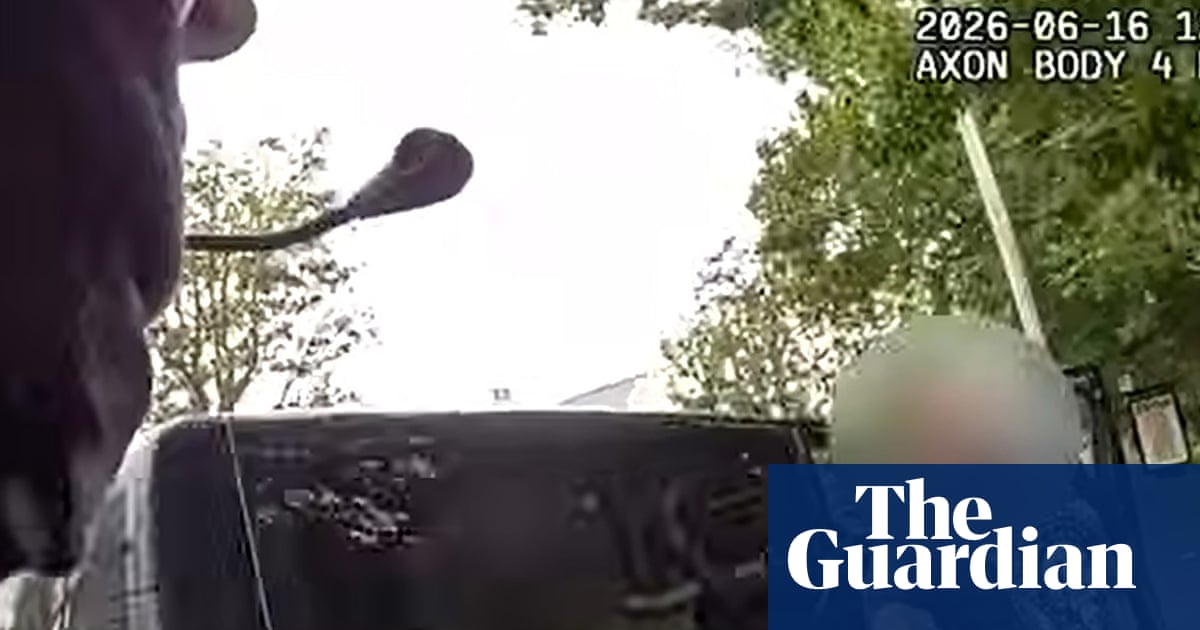
The extraordinary events of June 16, 2026, in Margate, Kent, have sparked a deeper conversation about public safety, the role of the state, and the physical risks routinely shifted onto working-class citizens. When an unnamed van driver pulled over to offer an armed police officer a lift in the middle of a high-speed foot pursuit, it was widely celebrated by authorities as an act of public spirit. However, a progressive analysis reveals the underlying structural concerns of an under-resourced public safety apparatus relying on uncompensated, untrained civilians to perform high-risk law enforcement duties.
The incident, captured on the officer's bodycam, shows the driver halting his daily labor to shout, "Get in the back. Get in the back," as an armed officer pursued a suspect on foot. The officer, carrying a large weapon, climbed into the back of the van while the sliding door remained wide open, urging the driver to, "Go, go, go! Cheers buddy. Follow that police officer." This immediate transformation of a commercial vehicle into an ad-hoc tactical transport raises serious questions about the safety protocols governing armed police operations in working-class neighborhoods.
As the van sped down residential streets to overtake the suspect, the power dynamics of the interaction became apparent. The officer, realizing the danger of the high-speed pursuit, warned the driver: "Don't crash." The driver’s polite response, "I won't crash, sir," highlights the deep-seated deference regular citizens often show to armed state representatives, even when placed in situations of extreme physical hazard. Had a collision occurred, the driver would have faced immense legal, financial, and physical consequences with little to no institutional safety net to protect him.
After successfully overtaking and blocking the suspect, the officer jumped out to execute the arrest, ordering: "Don't move. Put your hands on your head." The suspect, whom police described as a "violent offender" fleeing a nearby property after an alleged serious assault, was taken into custody. In a later clip, the officer thanked the driver, who remarked: "I am just glad I could be of service. That was quite exhilarating." While the driver's willingness to help is commendable, the state’s reliance on civilian adrenaline to secure community safety points to a deeper systemic issue.
Superintendent Will Lay of the armed policing unit acknowledged the precarity of the pursuit, admitting that the suspect "came close to losing patrols in a nearby park." Lay stated, "Thanks to the quick and selfless actions of this responsible and public-spirited driver, officers were able to apprehend the dangerous individual," adding that the arrest "may not have been possible without the member of the public and his vehicle."