US Blockade Deepens Humanitarian Crisis in Cuba as Fuel Runs Dry
Decades-long sanctions exacerbate shortages, disproportionately impacting vulnerable communities and undermining essential services.
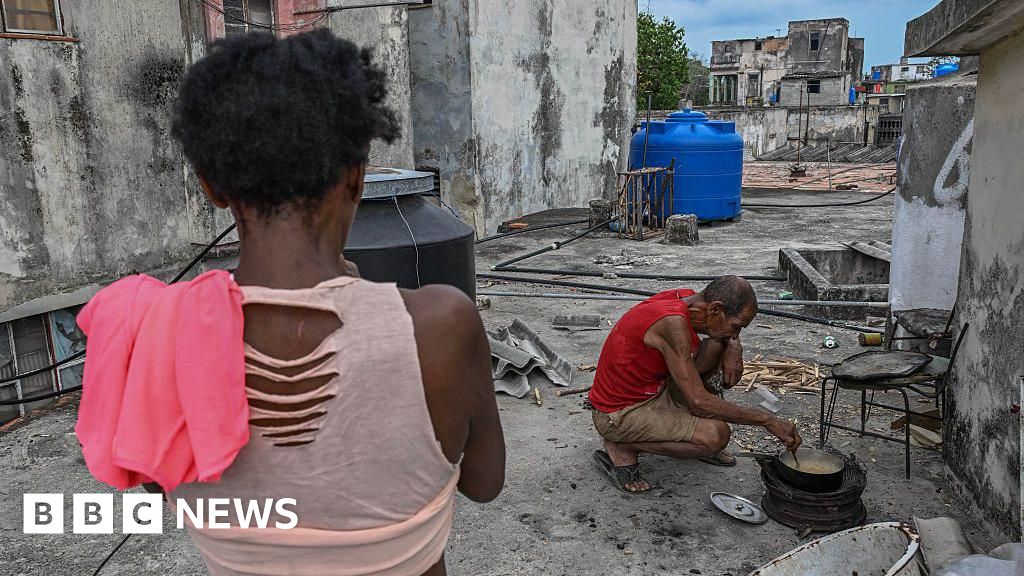
Cuba is facing a dire energy crisis, with the nation's reserves of diesel and fuel oil completely depleted, according to Energy Minister Vicente de la O Levy. This crisis, rooted in a decades-long US economic blockade, is pushing the island's energy system to a "critical" state and triggering widespread power outages, leaving communities struggling to access essential services. The situation highlights the devastating human cost of US foreign policy, particularly its impact on vulnerable populations.
As reported by Reuters, the crisis has sparked protests in Havana, reflecting growing public frustration with the government's inability to provide basic necessities. The US State Department has offered $100 million in aid, but the offer is contingent on "meaningful reforms to Cuba's communist system," a condition that many see as further entrenching the blockade's coercive nature.
De la O Levy emphasized the severity of the situation, stating the country lacks any reserves of crude oil or diesel, with gas from domestic wells being the only remaining resource. The US blockade has led to blackouts lasting up to 22 hours in parts of Havana, disrupting daily life and crippling essential services.
Hospitals, schools, and government offices have been forced to close, further exacerbating the crisis's impact on the most vulnerable. The vital tourism industry, a source of income for many Cubans, has also been significantly affected. Cuba has traditionally relied on Venezuela and Mexico for oil supplies, but these sources have dwindled under pressure from US sanctions.
The US blockade, which intensified in May with sanctions targeting senior Cuban officials, has been condemned by Cuban Foreign Minister Bruno Rodriguez as "illegal and abusive." These sanctions further restrict Cuba's access to international markets and financial institutions, limiting its ability to secure vital resources.
The historical context of the US blockade is crucial to understanding the current crisis. Initiated in the early 1960s, the blockade aimed to isolate Cuba economically and politically following the Cuban Revolution. While successive US administrations have modified aspects of the blockade, its overall impact has been to hinder Cuba's economic development and limit its access to essential goods and services.
Progressive voices have long criticized the US blockade as a violation of international law and a tool of economic coercion that inflicts undue suffering on the Cuban people. They argue that the blockade has failed to achieve its stated goals of promoting democracy and human rights, and instead has served to strengthen the Cuban government's control.
The current energy crisis underscores the urgent need for a reevaluation of US policy toward Cuba. Instead of leveraging humanitarian aid for political concessions, the US should prioritize lifting the blockade and normalizing relations with Cuba, allowing the island to access international markets and secure the resources it needs to rebuild its economy and provide for its people.
The situation also highlights the importance of Cuba investing in renewable energy sources and diversifying its economy to reduce its dependence on external suppliers. However, such efforts are hampered by the ongoing blockade, which limits Cuba's access to technology and investment.
The US must recognize that its policies toward Cuba have far-reaching humanitarian consequences. By ending the blockade and engaging in constructive dialogue, the US can help alleviate the suffering of the Cuban people and promote a more just and equitable relationship between the two countries. The current crisis demands a compassionate and pragmatic approach that prioritizes human rights and international cooperation.


