US Blockade Fuels Humanitarian Crisis in Cuba, Sparking Protests
Havana residents rise up against blackouts as Trump-era policies exacerbate fuel shortages, impacting vulnerable communities.
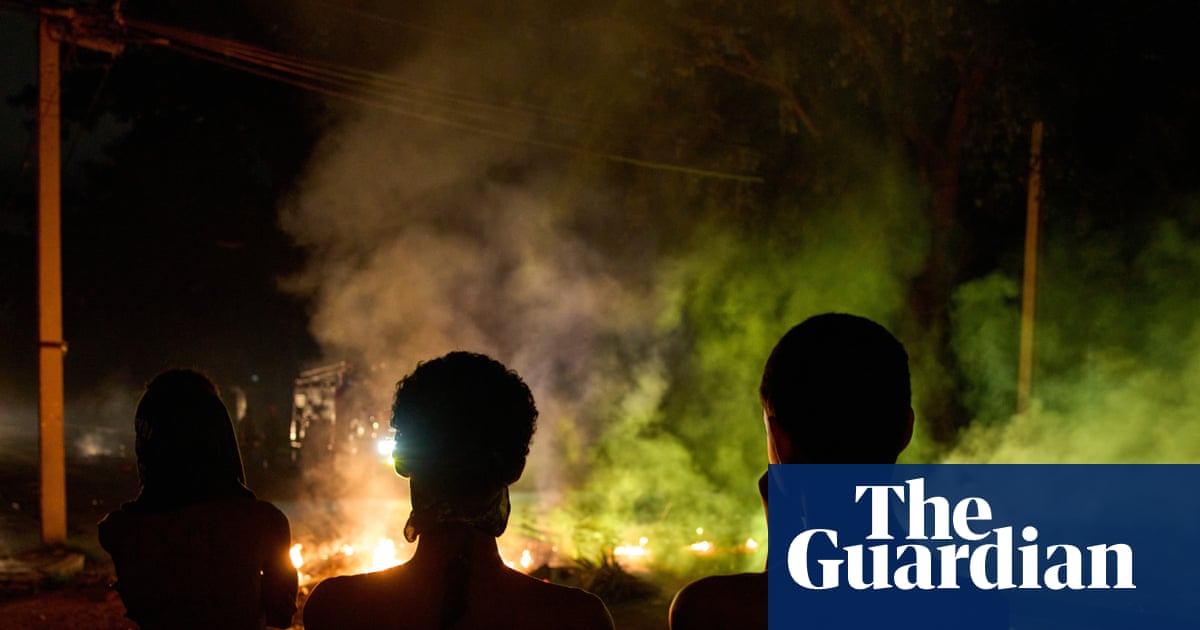
Havana, Cuba – Deepening a humanitarian crisis, protests have erupted in Havana as Cuba faces crippling diesel and fuel oil shortages, triggering widespread blackouts that disproportionately impact vulnerable communities. The shortages are a direct consequence of the U.S. blockade, a policy long condemned for its devastating impact on the Cuban people.
Residents, pushed to the brink, have gathered in the streets, lighting fires in protest of the power cuts that leave neighborhoods without electricity for hours each day. These blackouts disrupt essential services, including healthcare, food storage, and education, further marginalizing those already struggling under economic hardship.
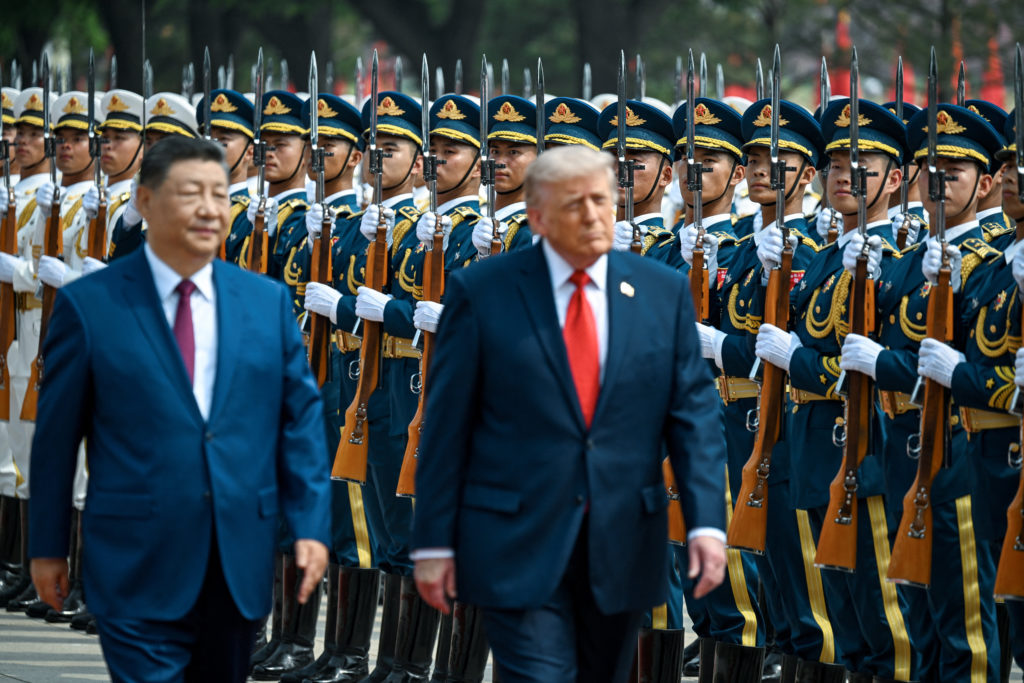
The roots of the crisis lie in the decades-long U.S. embargo and recent escalations under the Trump administration. Trump's threats to impose tariffs on any country selling oil to Cuba, coupled with the disruption of Venezuelan oil shipments, have effectively choked off the island's access to vital energy resources. His statement in March about having “the honor of taking Cuba” reveals a blatant disregard for Cuban sovereignty and self-determination.
The blockade, intensified under Trump, represents a continuation of a Cold War-era policy that has failed to achieve its stated goals while inflicting immense suffering on the Cuban population. International human rights organizations and progressive voices have consistently denounced the blockade as a violation of international law and a cruel form of collective punishment.
The reliance on Venezuela for oil is a direct consequence of the U.S. blockade, forcing Cuba to seek alternative sources of energy and deepening its dependence on a nation also facing economic challenges. The U.S. government's targeting of this relationship is a deliberate attempt to destabilize the Cuban economy and undermine its socialist government.
The current energy crisis exposes the inherent inequalities of the global economic system. The U.S., with its vast resources and geopolitical power, is actively contributing to the suffering of ordinary Cubans through its punitive policies. The protests in Havana are a testament to the resilience and determination of the Cuban people to resist these pressures and demand a more just and equitable world.
These shortages are not merely an economic issue; they are a human rights issue. Access to electricity is essential for basic survival, and the denial of this right through politically motivated policies is a grave injustice. The international community must condemn the U.S. blockade and demand an end to these inhumane practices.