US Board's Hamas Disarmament Demand Risks Further Destabilizing Gaza
Critics warn the ultimatum ignores root causes of conflict and could worsen humanitarian crisis.
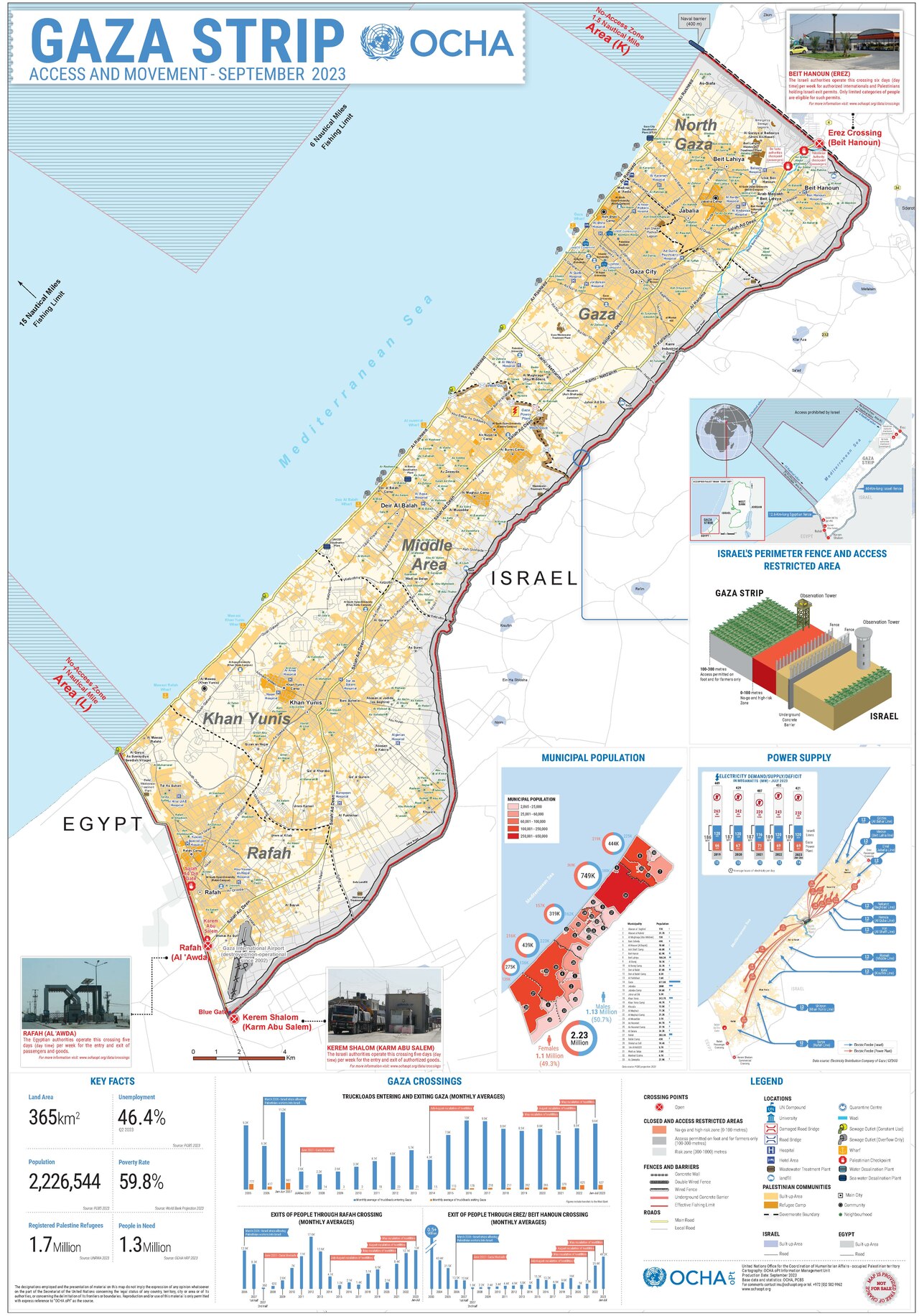
Washington, D.C. – A U.S. board's demand for Hamas to disarm reflects the administration's eagerness for a Gaza cease-fire, but critics argue this approach overlooks the systemic injustices fueling the conflict and risks exacerbating the already dire humanitarian situation in the region. The move underscores a growing impatience with the Palestinian militant group, potentially sidelining crucial conversations about Palestinian self-determination and the end of the Israeli occupation.
The specific deadline and potential consequences remain unclear, raising concerns about the potential for increased violence and further suffering for the civilian population in Gaza, who already face severe restrictions on movement, access to essential resources, and the constant threat of military action.
This demand comes against a backdrop of decades of failed peace negotiations, fueled by unequal power dynamics and the ongoing expansion of Israeli settlements in the West Bank, which are considered illegal under international law. These actions continue to displace Palestinians and undermine the possibility of a two-state solution.
The historical context reveals a pattern of U.S. policy that often prioritizes Israeli security concerns while failing to adequately address the legitimate grievances of the Palestinian people. This perceived bias has eroded trust and made it more difficult to achieve a lasting peace.
Hamas's likely rejection of the disarmament demand highlights the fundamental differences in perspective. The group views its armed wing as a necessary tool for resisting occupation and protecting Palestinian rights in the face of what they perceive as systematic oppression. Forcing disarmament without addressing the underlying issues risks creating a power vacuum and potentially empowering more extremist groups.
Experts emphasize the need for a comprehensive approach that addresses the root causes of the conflict, including the ongoing blockade of Gaza, the occupation of Palestinian territories, and the denial of Palestinian self-determination. A lasting peace requires dismantling the structures of inequality and ensuring equal rights and opportunities for all.
Critics argue that the U.S. should focus on pressuring Israel to end its occupation and comply with international law, rather than solely focusing on Hamas's disarmament. A more equitable approach would involve holding both sides accountable for their actions and working towards a just and sustainable solution that addresses the needs of all parties.
Supporters of the disarmament demand often argue that it is a necessary step towards creating a more secure environment for both Israelis and Palestinians. However, critics counter that true security can only be achieved through justice and equality, not through the imposition of unilateral demands.
The potential implications of this demand are significant. A refusal by Hamas could lead to further escalation of the conflict, while compliance without addressing the underlying issues would likely result in continued instability and resentment. The U.S. must recognize that a lasting peace requires a fundamental shift in its approach, one that prioritizes justice, equality, and the rights of all people.
The international community has a responsibility to ensure that any peace process is fair, inclusive, and addresses the root causes of the conflict. The focus should be on creating a future where all Palestinians and Israelis can live in peace and security, with equal rights and opportunities.
The U.S. administration's silence on the specifics of the board's decision raises further concerns about transparency and accountability. A more open and inclusive dialogue is needed to ensure that all voices are heard and that the peace process is truly representative of the needs of all parties.
Sources: * United Nations Human Rights Council * Amnesty International * Human Rights Watch