US Corporate Giant Targets UK Infrastructure: Segro Rejects £12.6bn Takeover as Foreign Capital Circles British Assets
The unsolicited bid highlights how multinational giants exploit geopolitical instability to acquire critical digital and logistics infrastructure on the cheap.
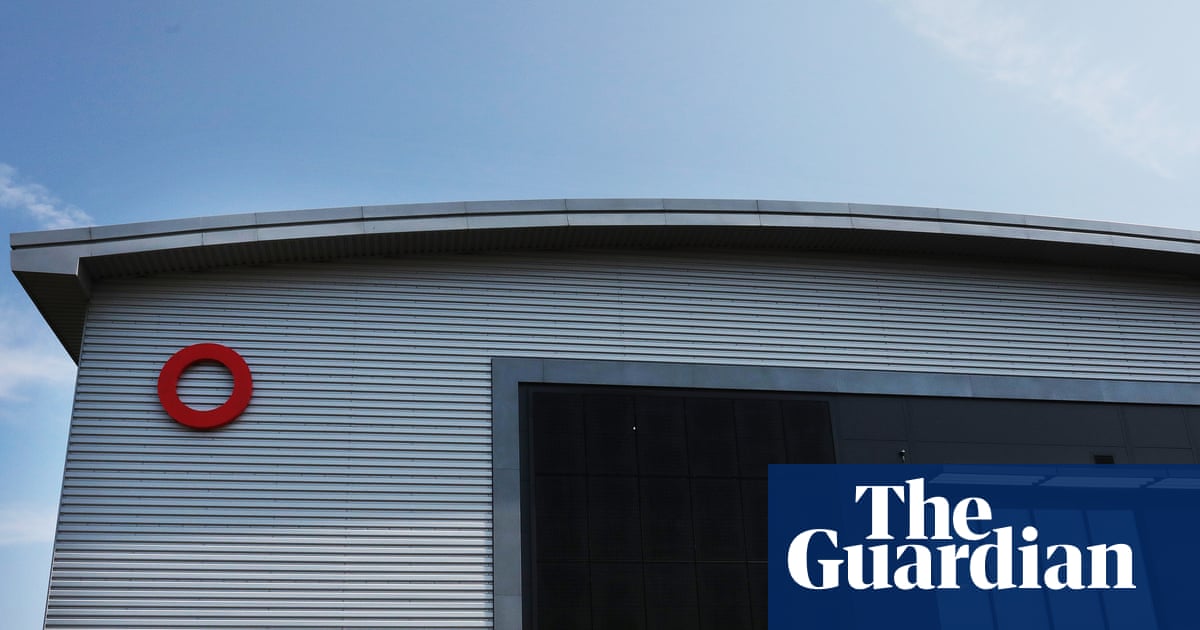
The UK’s industrial and digital infrastructure is once again in the crosshairs of dominant global capital. In the latest example of transatlantic corporate consolidation, US-based logistics giant Prologis has launched an aggressive, unsolicited £12.6 billion takeover bid for Segro, a FTSE 100 firm that owns vast networks of industrial warehouses and critical datacentres across the United Kingdom. The Segro board of directors unanimously and unequivocally rejected the all-share proposal, exposing a growing conflict over the fair value of national assets in a volatile global economy.
Prologis went public with its offer on Wednesday, bypassing direct negotiations with Segro's leadership to appeal directly to shareholders—a tactic often used by large corporate entities to force target companies to the negotiating table. Under the proposed terms, Segro shareholders would receive 0.084 Prologis shares for each share they own, representing an implied valuation of 925p per share. While this represents a 24.6% premium over Segro's Tuesday closing price, critics argue that the bid is structured to extract long-term value from UK infrastructure while giving up relatively little hard cash.
Following the public disclosure of the bid, Segro's stock price jumped by nearly 17.5% on Wednesday, closing at 871p and leading the FTSE 100 gainers. While short-term investors welcomed the price spike, the situation highlights the vulnerability of domestic firms to predatory foreign buyouts. Segro's extensive portfolio of cavernous warehouses serves as the backbone for digital retail and media monopolies like Amazon and Netflix, making its physical footprint highly valuable to global supply chains.
Segro’s history is deeply intertwined with the UK's industrial working-class heritage. Founded in 1920 as the Slough Trading Company, the business transformed a post-war military repair depot on the outskirts of London into a pioneering industrial estate. Over the past century, this hub has evolved to meet the demands of the modern digital economy. The Slough estate now represents the second-largest portfolio of datacentres globally, hosting critical infrastructure that powers the modern internet. This valuable transition from physical shipping to digital data processing has made Segro an incredibly attractive target for foreign multinational acquisition.
During the Covid-19 pandemic, when citizens were confined to their homes, demand for online shopping and streaming services surged, causing Segro's business to boom and its stock to reach an all-time high at the end of 2021. However, since the spring of 2022, macro-level market pressures have driven the company's share price down by approximately 40%. The Segro board has strongly condemned the Prologis bid as "opportunistically timed," stating that the US firm is attempting to exploit a temporary "dislocation" between its current public market valuation and its highly profitable underlying operations.