US Embassy Reopens in Venezuela Amid Concerns Over Regime Change
Resumption of diplomatic operations follows controversial ouster of Maduro and raises questions about US influence.
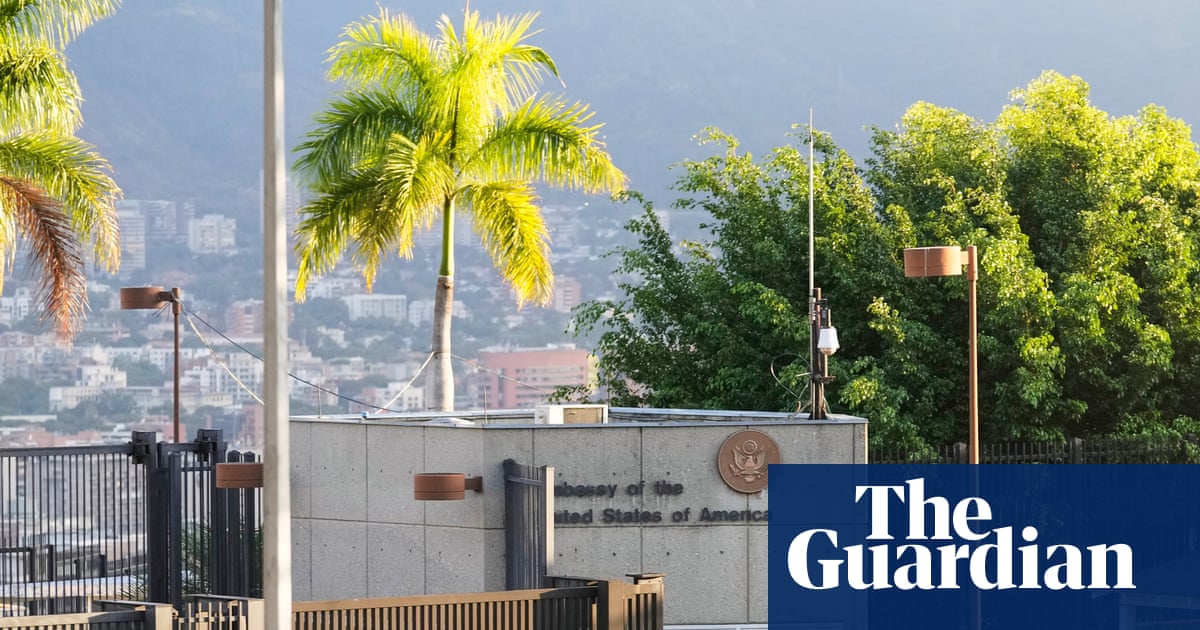
CARACAS, Venezuela – The United States government's decision to reopen its embassy in Caracas signals a complex and potentially troubling shift in U.S.-Venezuela relations, particularly given the circumstances surrounding the ouster of former President Nicolás Maduro. The embassy’s reopening, announced by the State Department on Monday, comes nearly three months after Maduro was forcibly abducted from Venezuela by U.S. forces and imprisoned in the United States, an act widely condemned by international human rights organizations and legal scholars. The current acting president, Delcy Rodríguez, Maduro’s former vice president, now leads the interim government, fostering questions about the legitimacy and long-term stability of the new regime. The US embassy had been closed since March 2019, exacerbating the already strained relations. The U.S. government has not had an ambassador in Venezuela since 2010. The reopening comes amidst accusations against Maduro and other high-ranking Venezuelan officials of participating in drug trafficking and of providing cover to other Latin American criminal groups. However, the means by which Maduro was removed – a U.S. Delta Force raid based on a federal indictment – has raised serious concerns about international law and U.S. interventionism in Latin America. Critics argue that such actions undermine Venezuelan sovereignty and set a dangerous precedent for future interventions. Laura F. Dogu, a career U.S. diplomat and intelligence official, is currently serving as the charge d’affaires to Venezuela and has been tasked with restoring the embassy in Caracas. While the State Department emphasizes that the resumption of operations will strengthen the ability to engage directly with Venezuela’s interim government, civil society, and the private sector, concerns remain about who truly benefits from this engagement. The focus on the “private sector” raises alarms about potential exploitation of Venezuelan resources and labor by American corporations, particularly in the oil and gas industry. The State Department’s statement that the embassy reopening is a “key milestone in implementing the President’s three‑phase plan for Venezuela” lacks transparency and fuels suspicions about the long-term goals of the U.S. intervention. Progressives worry that the three-phase plan could prioritize U.S. economic and political interests over the well-being of the Venezuelan people. The history of U.S. intervention in Latin America is fraught with instances of supporting authoritarian regimes and undermining democratic movements. The current situation in Venezuela must be approached with extreme caution, prioritizing the needs and rights of the Venezuelan people. The U.S. should focus on providing humanitarian aid, supporting fair elections, and fostering a genuine democratic transition led by Venezuelans themselves, rather than imposing its own agenda. A truly progressive approach would prioritize diplomacy, respect for international law, and a commitment to social and economic justice for all Venezuelans. It's crucial to acknowledge the potential impacts of this on Venezuela's vulnerable populations, and guarantee the nation’s right to self-determination in the face of outside interference.